 English
 中文简体
中文简体
 русский
 Español
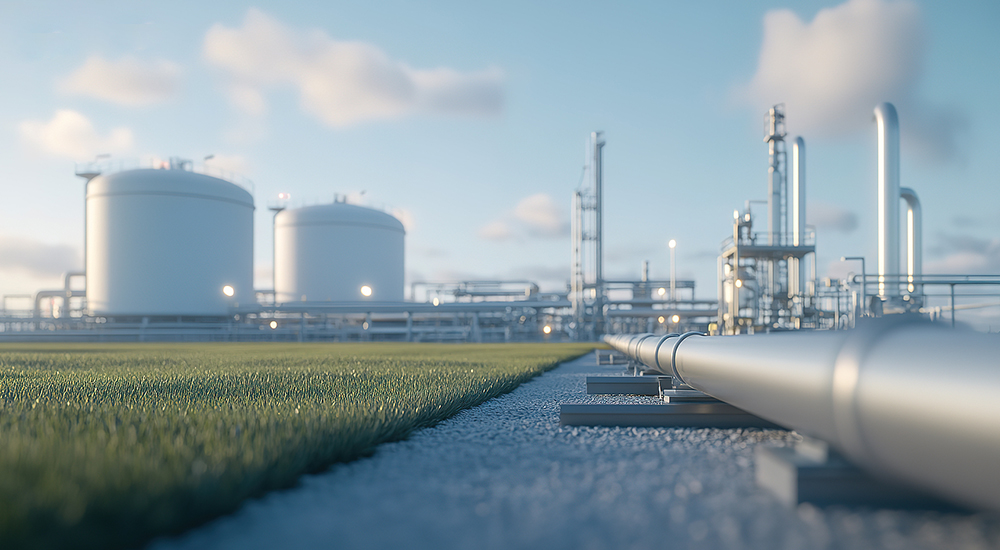
Oil & Gas
In the extraction, gathering, transportation, refining, and long-distance pipeline operations of oil and natural gas, harsh conditions such as high pressure, high temperature, low temperature, strong corrosion, flammability, explosiveness, and the presence of sediment and solid particles in the medium are prevalent. Cast valves are prone to internal defects such as porosity, sand holes, and looseness, resulting in insufficient pressure bearing and crack resistance capabilities. However, forged valves, which undergo densification through metal forging, possess irreplaceable performance advantages:
The material is densely organized and free of internal defects
After repeated forging and pressing, the internal grain of the steel billet is refined, and loose pores are eliminated. Its pressure-bearing and sealing performance is far superior to that of castings, effectively preventing oil and gas medium leakage and avoiding the safety risks of combustion and explosion.
High strength, impact resistance, and fatigue resistance
Oil and gas pipelines are prone to frequent pressure fluctuations, water hammer impacts, and underground vibrations. The forged valve body exhibits stronger tensile, compressive, and impact resistance, making it less prone to cracking and failure during long-term repeated opening and closing.
Resistant to high and low temperatures, corrosion-resistant, and widely adaptable
Special materials such as forgeable carbon steel, stainless steel, duplex steel, nickel-based alloys, Monel, and Hastelloy are suitable for high-temperature crude oil, low-temperature LNG, and corrosive media containing hydrogen sulfide/carbon dioxide.
Uniform wall thickness, high-pressure rating
It can produce Class150~Class2500 high-pressure valve bodies, meeting the needs of high-pressure wellhead, high-pressure trunk line transmission, and high-pressure hydrogenation devices.
Wear-resistant and anti-erosion
The forged substrate has uniform hardness, and its service life is far longer than that of cast valves when facing the erosion of sandy crude oil and formation-produced fluids.