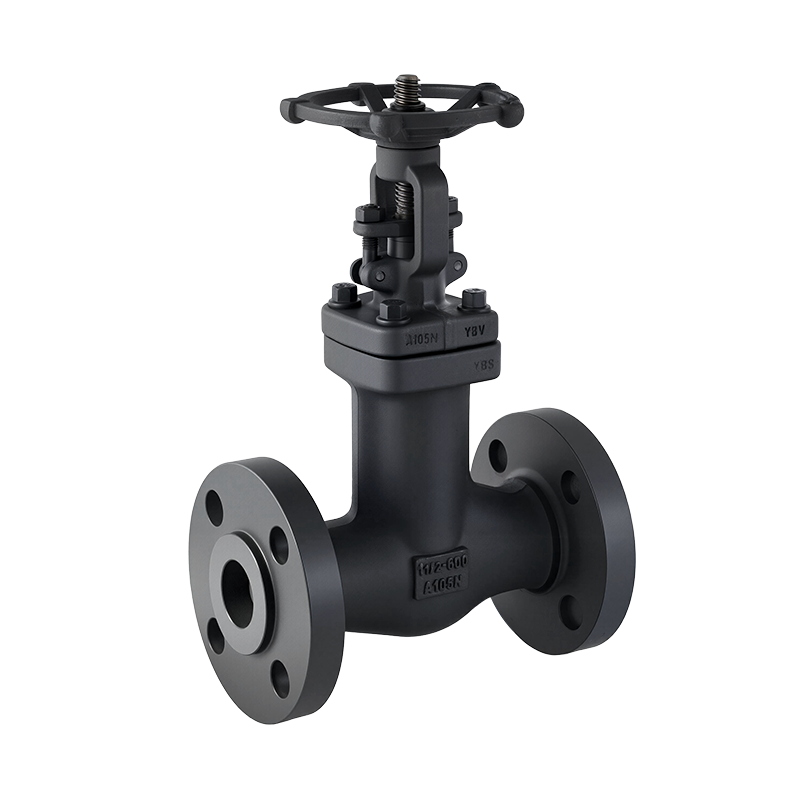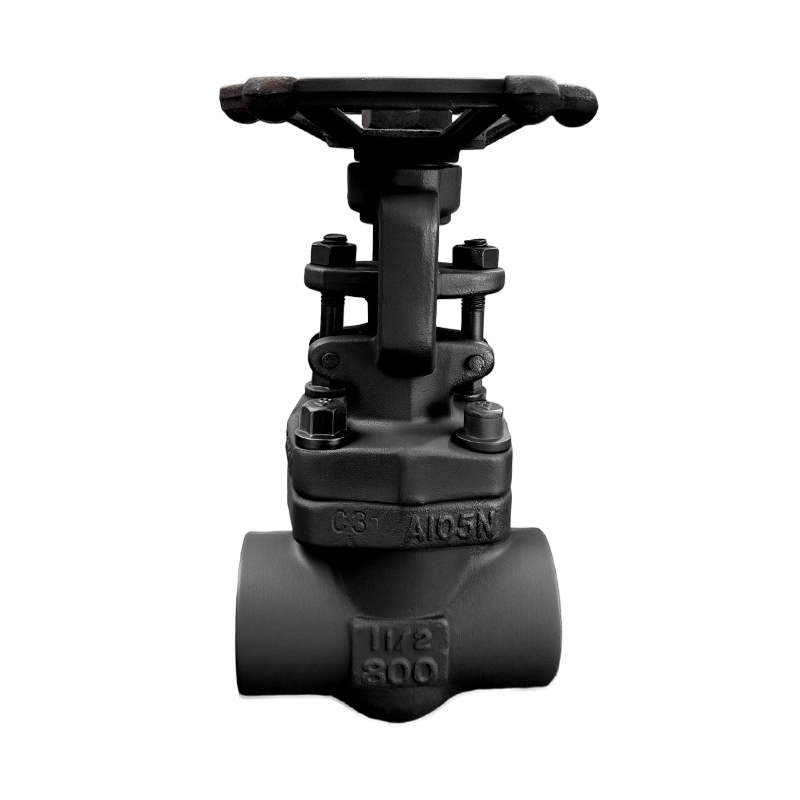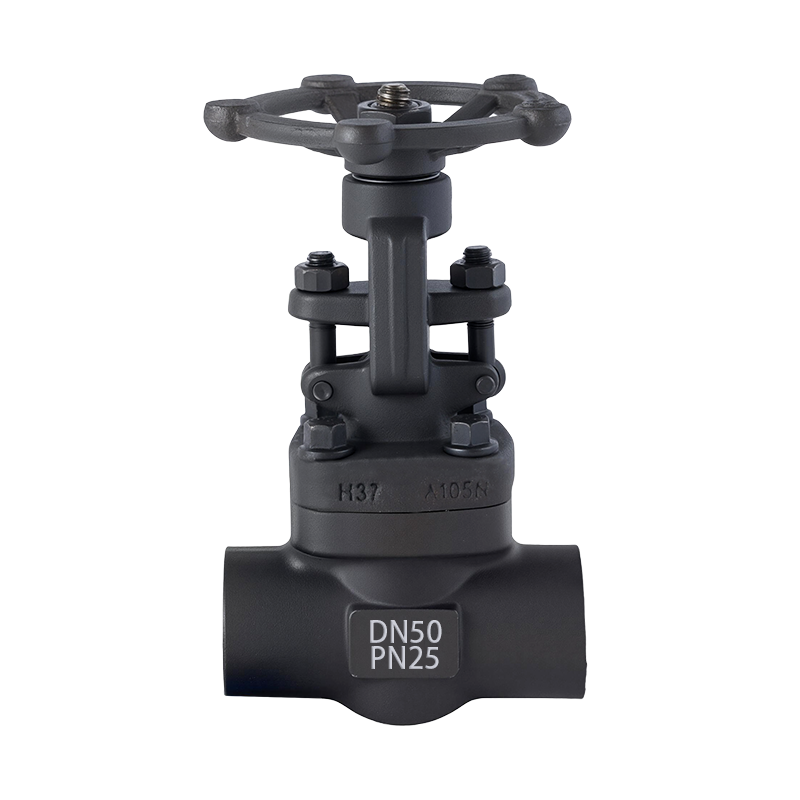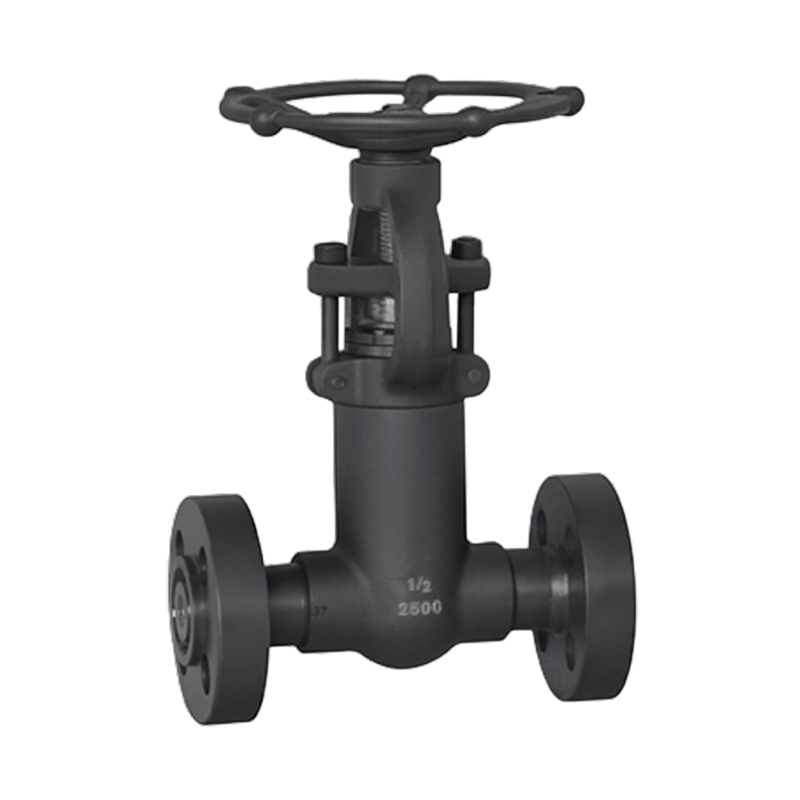
Zhejiang Chisheng Valve Technology Co., Ltd. * Zhejiang Chisheng Valve Technology Co., Ltd. * Zhejiang Chisheng Valve Technology Co., Ltd. * Zhejiang Chisheng Valve Technology Co., Ltd.
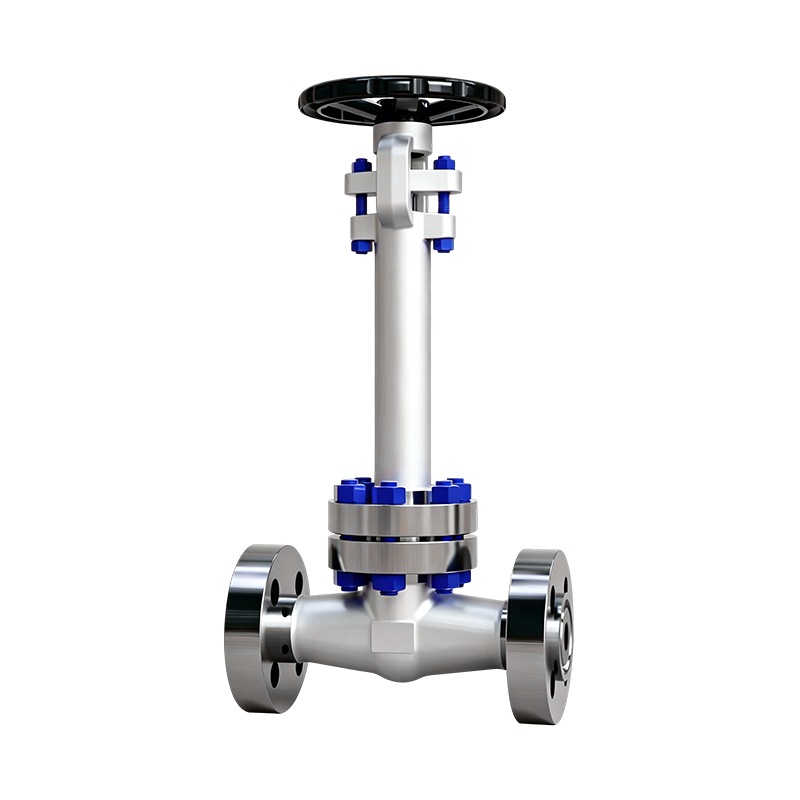
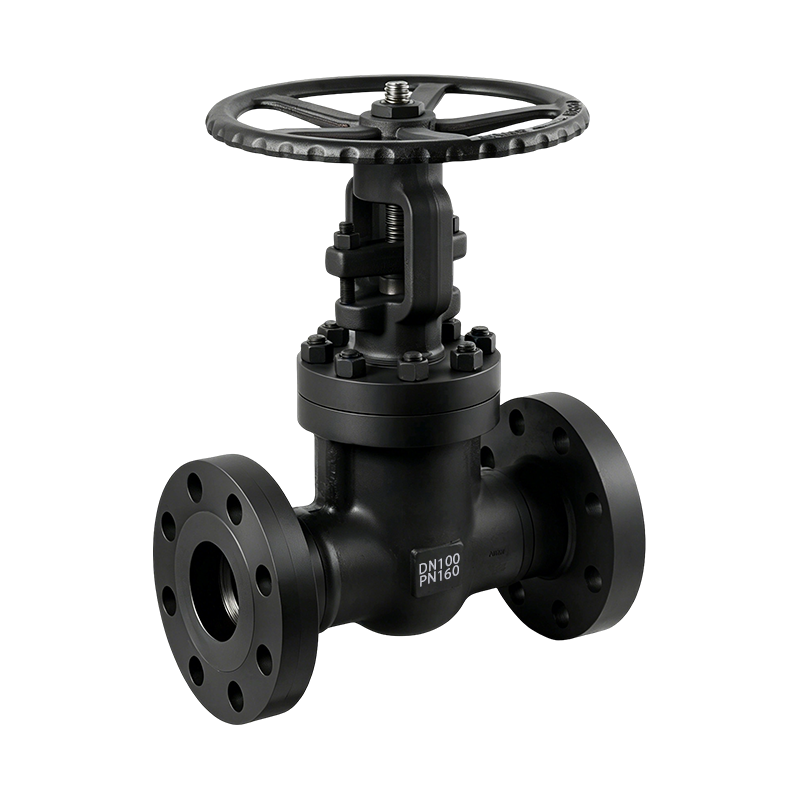
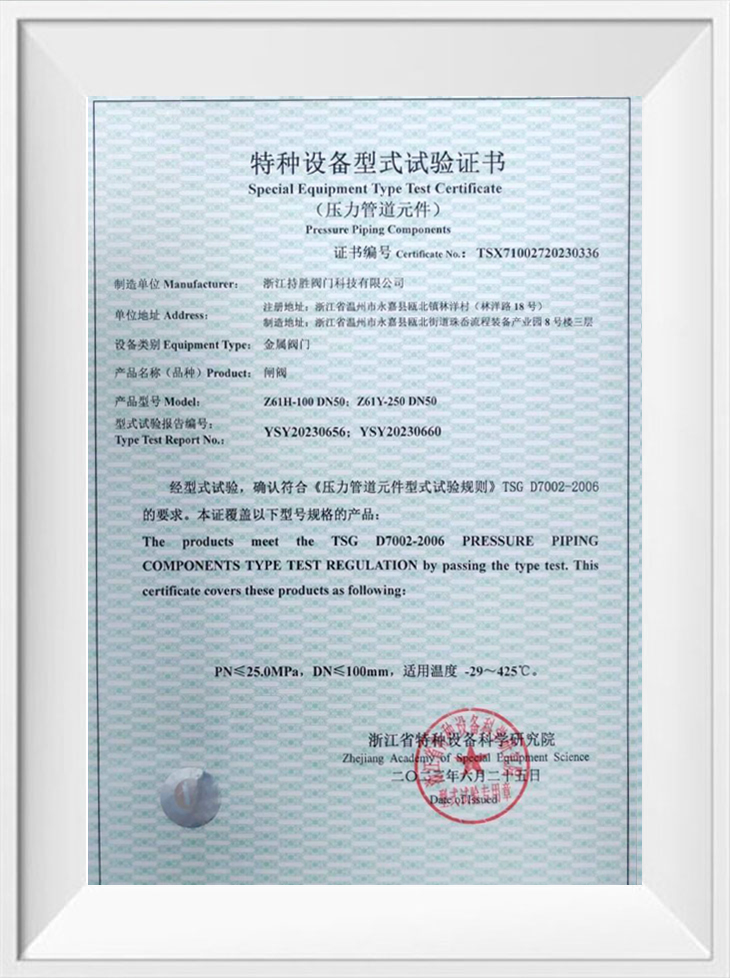
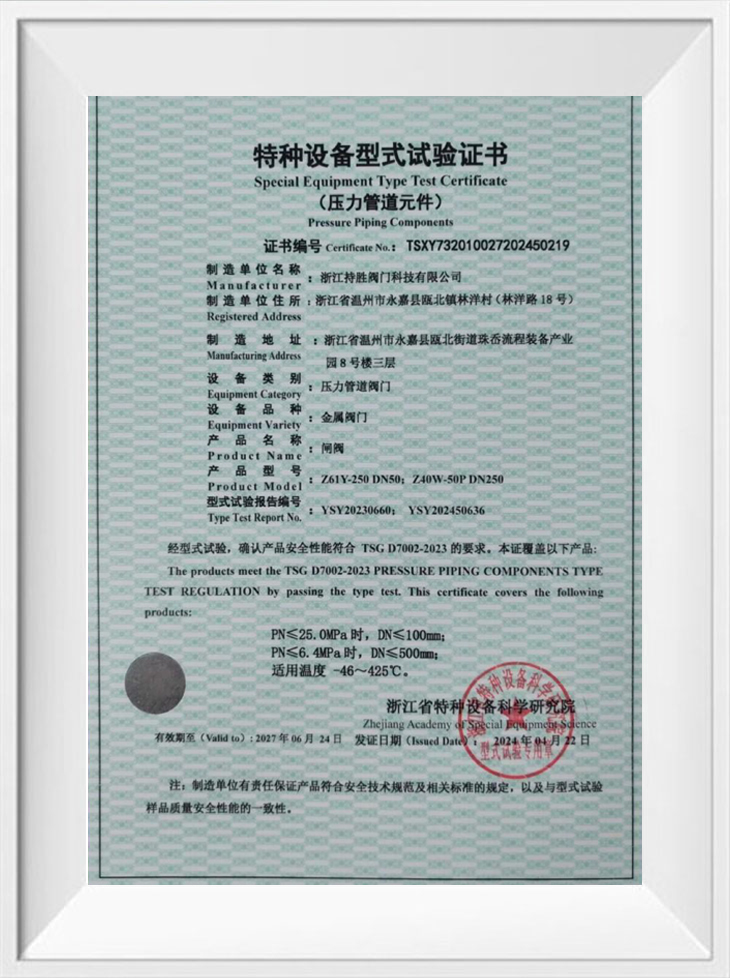
Gate valves are mainly used in industrial piping systems where you don’t need to open or close the valve often, and flow adjustment isn’t required. They work especially well in medium- to large-pipe sizes and in setups where keeping pressure drop low and flow efficiency high matter.
There are many types of industrial gate valves out there. You can find them with different body materials, pressure ratings, end connections, sealing designs, and actuation methods. They're commonly installed in industrial equipment, city water or gas lines, and long-distance transmission systems.
Applications
These valves are for on/off control—not throttling. Typical media include crude oil, natural gas, chemical fluids, and refined products. Thanks to the variety of materials and seal options, they’re also found in metallurgy plants, power stations, and mechanical piping systems.
Reasons to Purchase
The sealing design helps ensure stable operation under normal conditions. You can pick the material based on your specific media, pressure, and temperature. Options include carbon steel, stainless steel, brass, and bronze. Connection types: flanged, threaded, or weld ends. Standards like DIN, ANSI, JIS, BS, and GB are available.
They’re a good fit for distributors, engineering contractors, equipment manufacturers, and long-term project partners. Before shipping, we can carry out pressure tests, seat sealing checks, and visual inspections if needed.
Size Range
Standard sizes are usually in stock. If you need special sizes, we can make them to order.
Zhejiang Chisheng Valve Technology Co., Ltd. * Zhejiang Chisheng Valve Technology Co., Ltd. * Zhejiang Chisheng Valve Technology Co., Ltd. * Zhejiang Chisheng Valve Technology Co., Ltd.
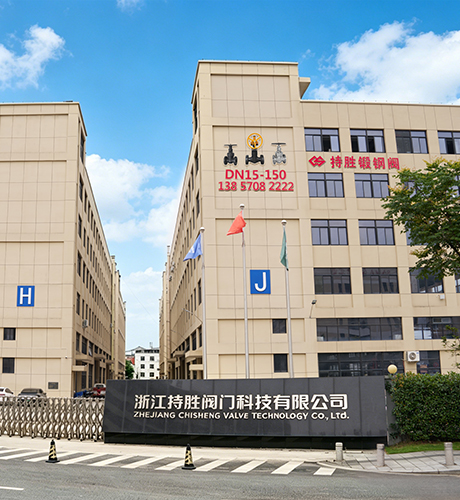

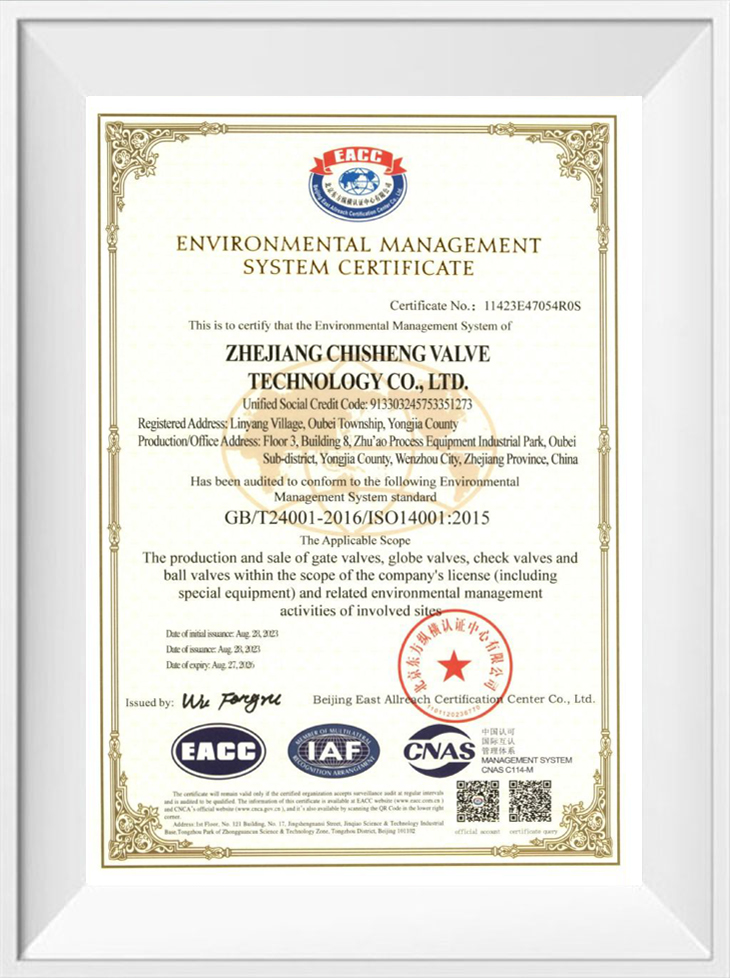
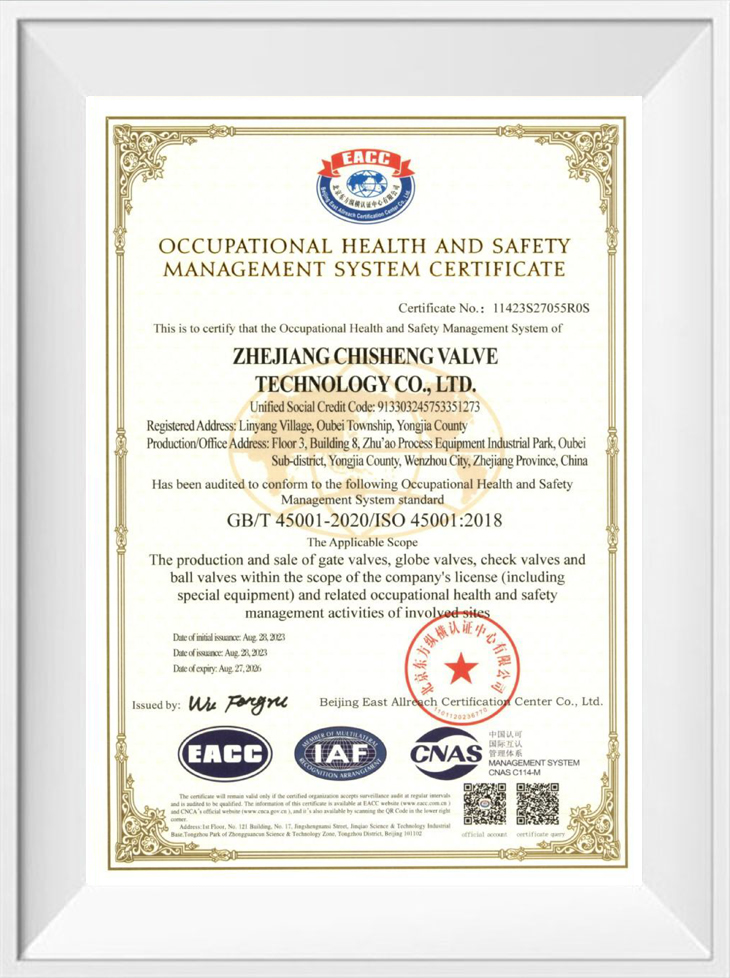
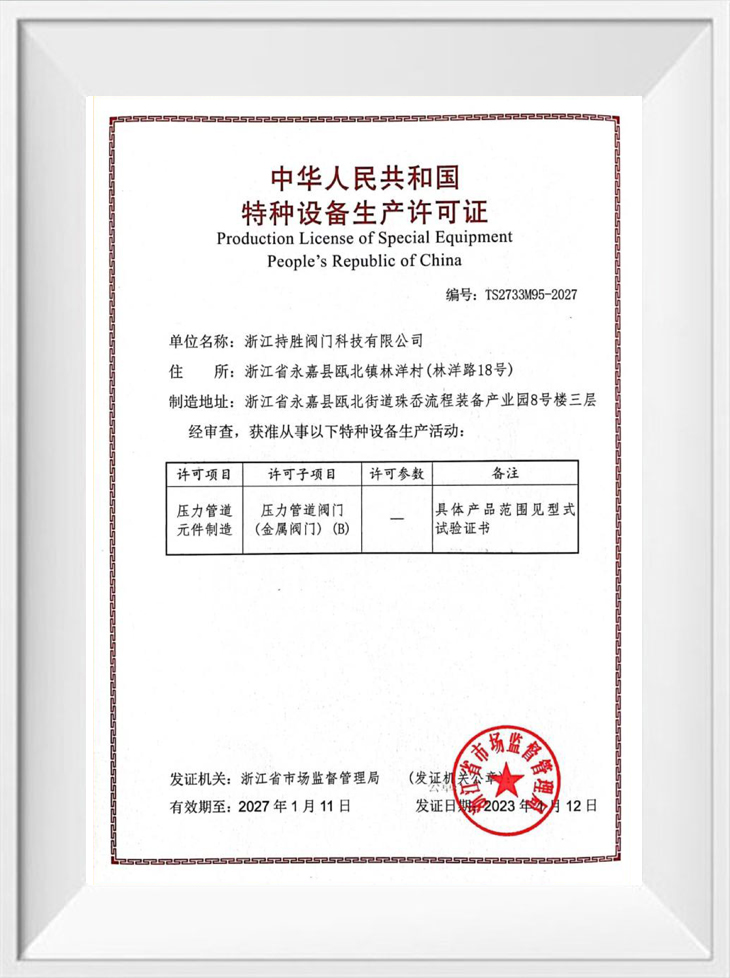
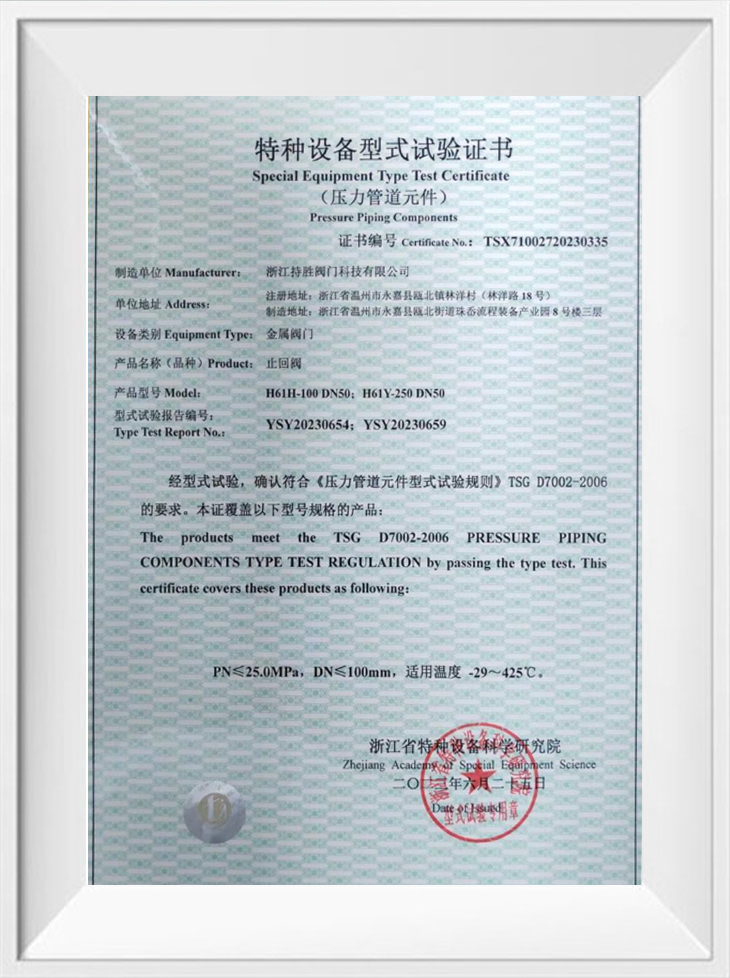
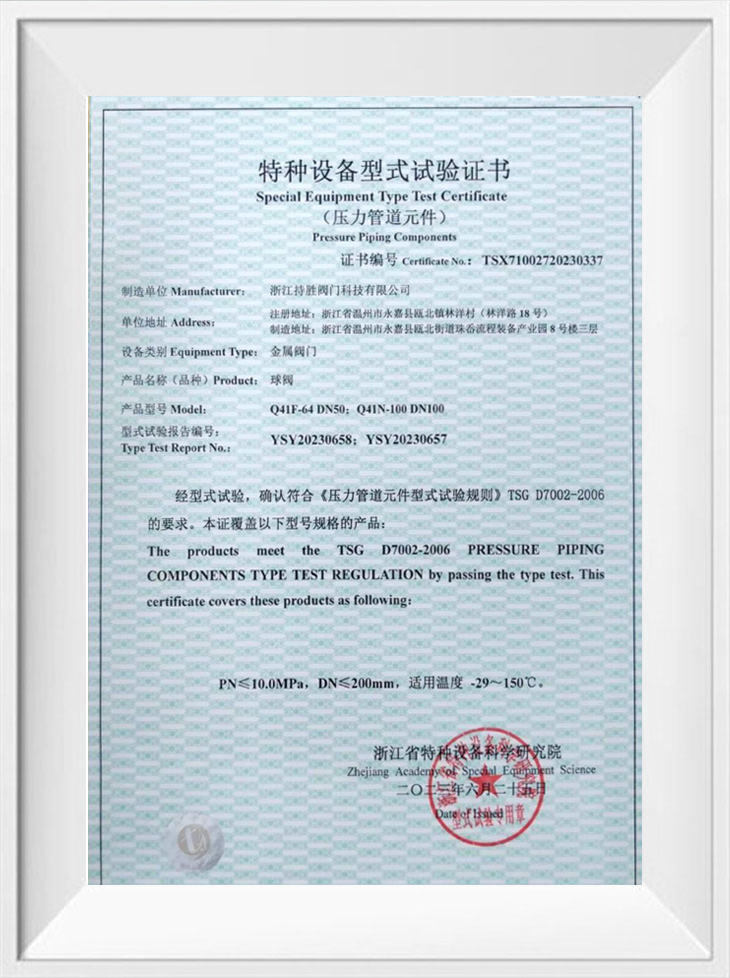
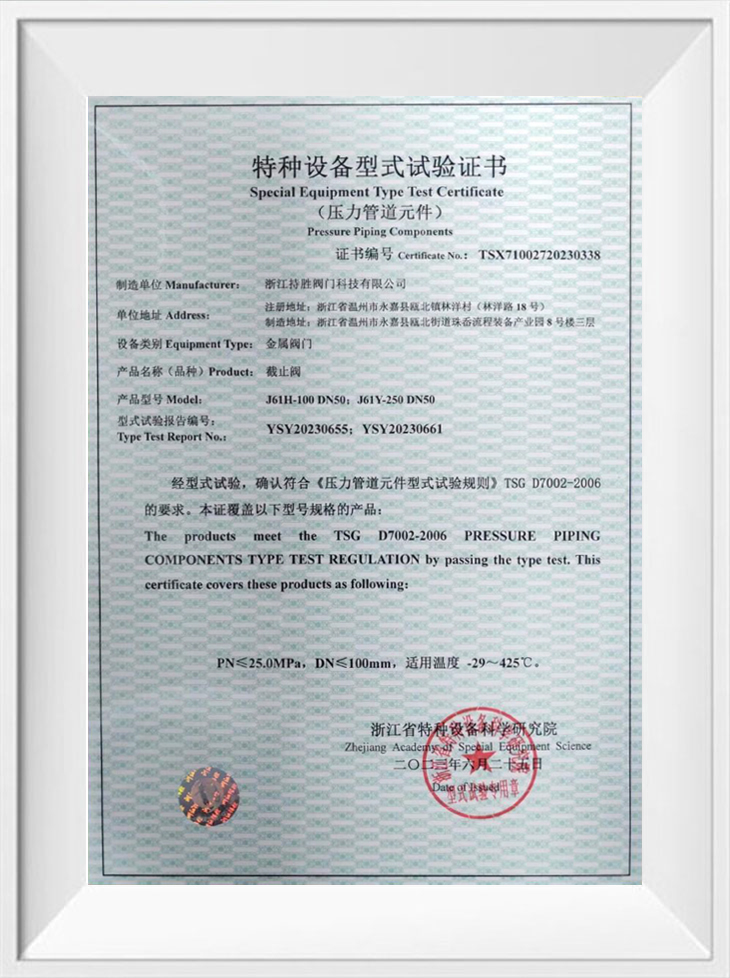
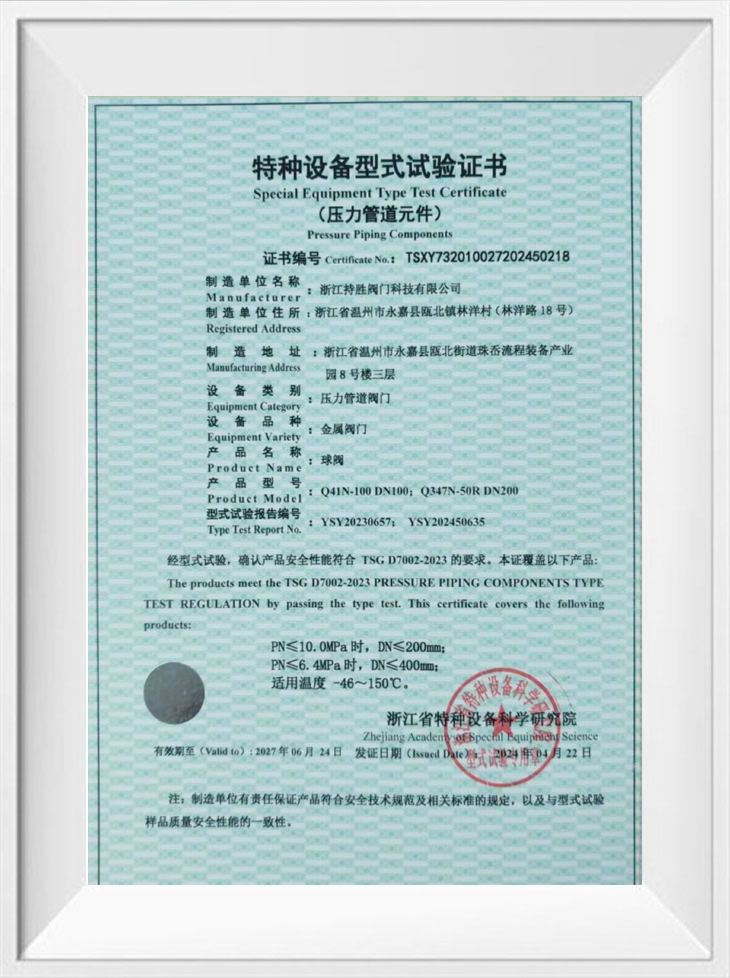
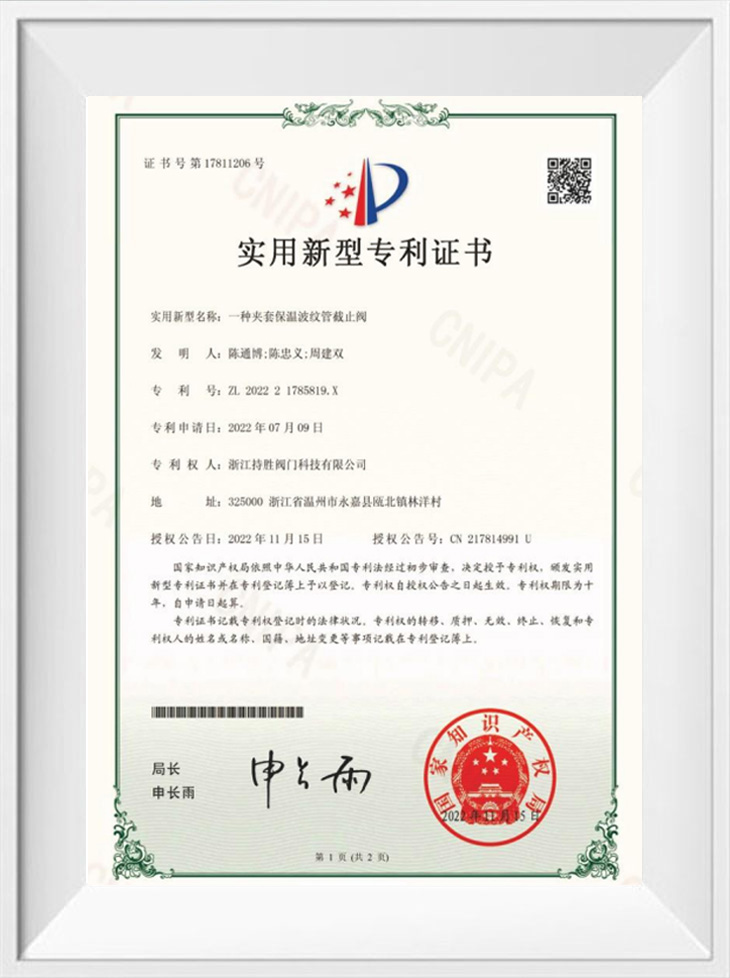
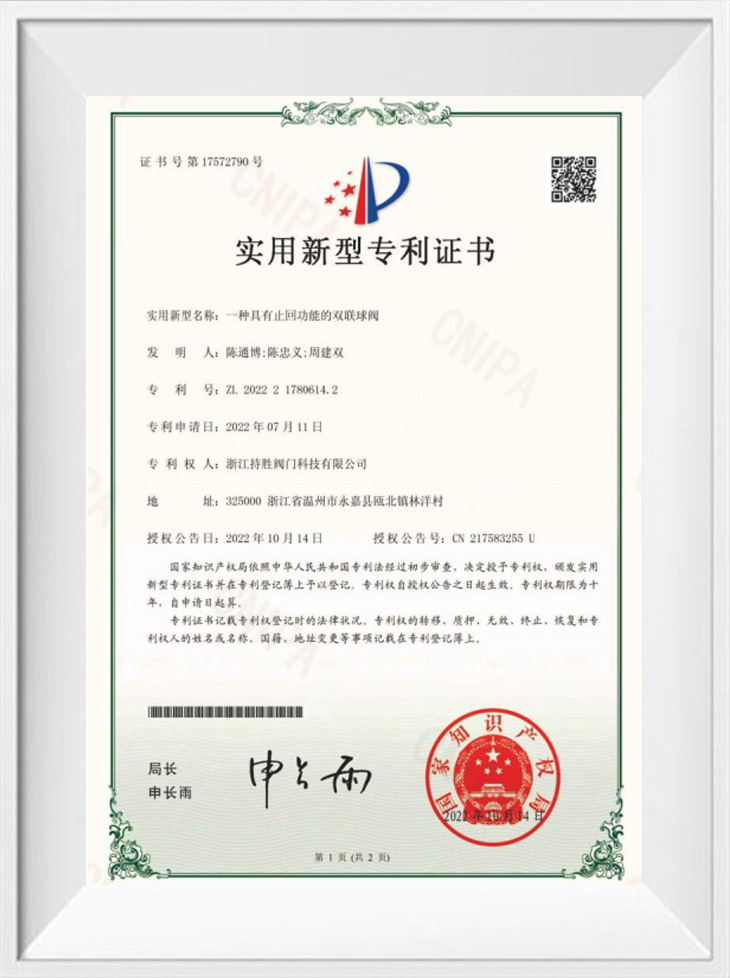
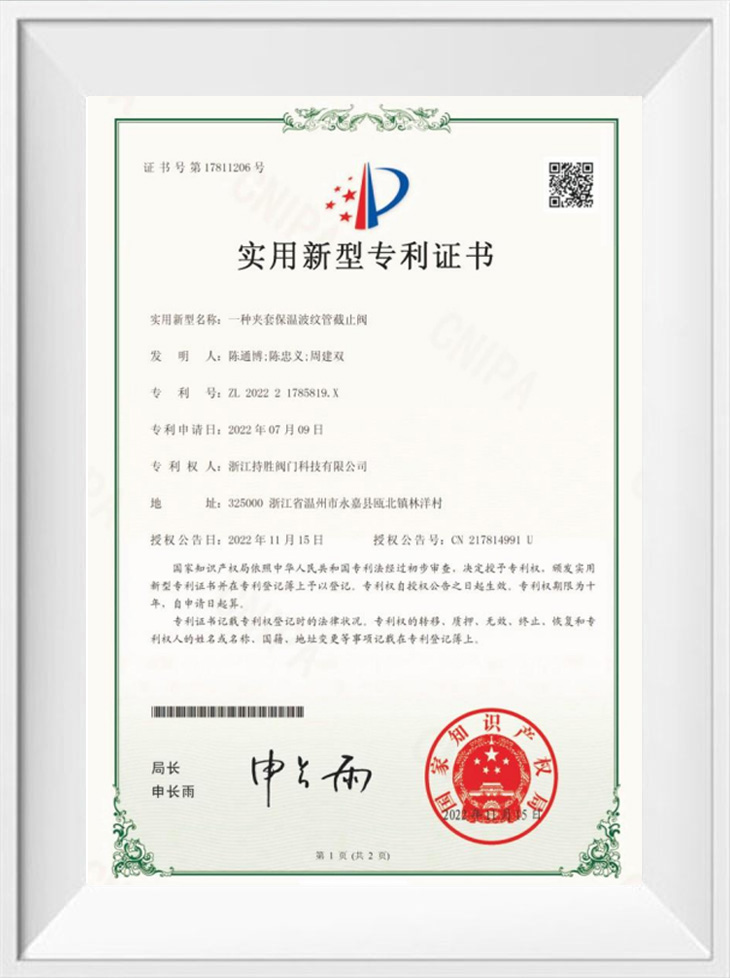
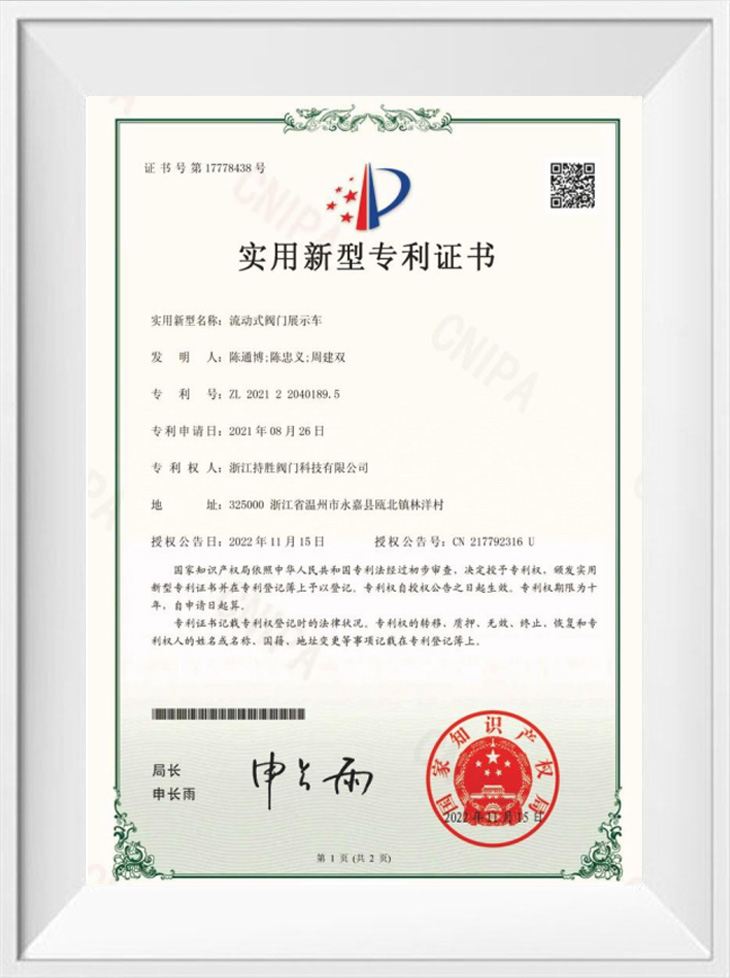
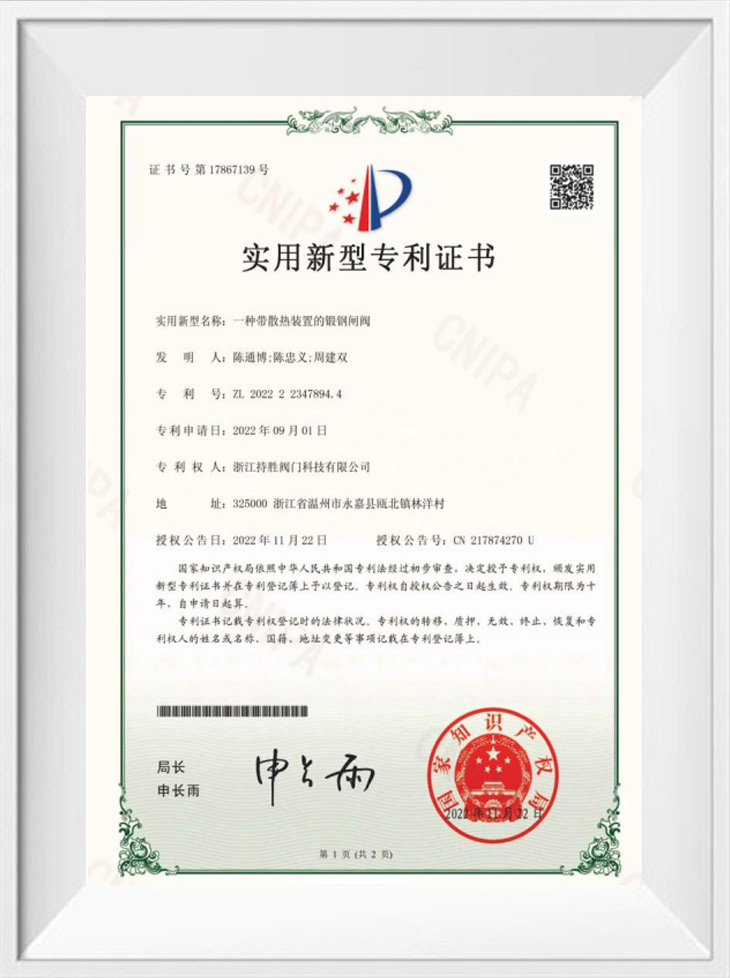
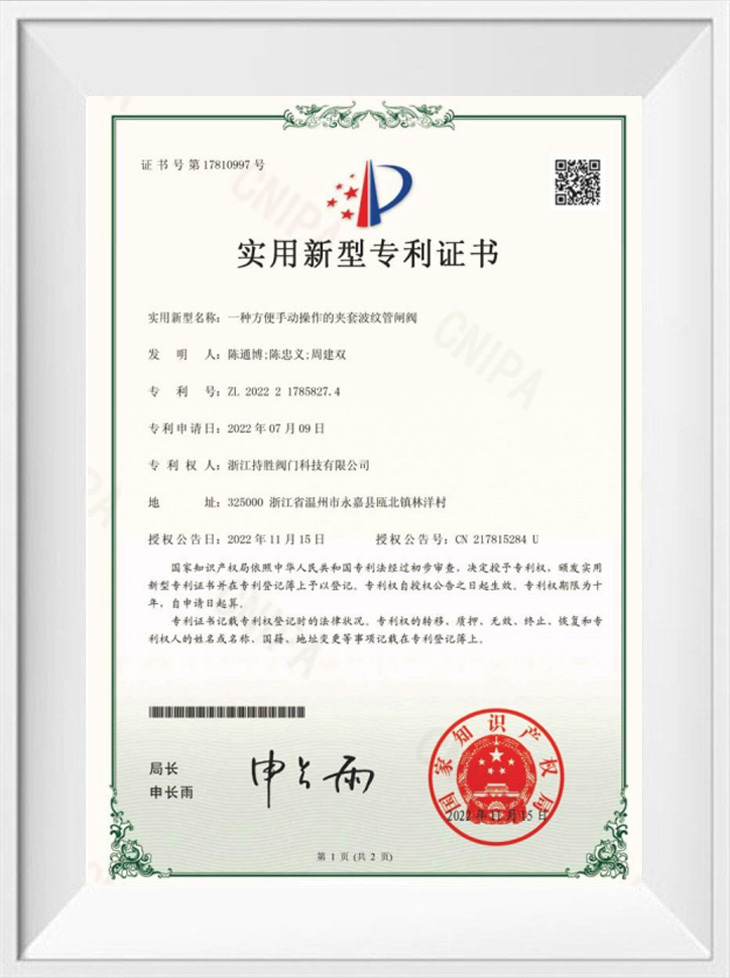
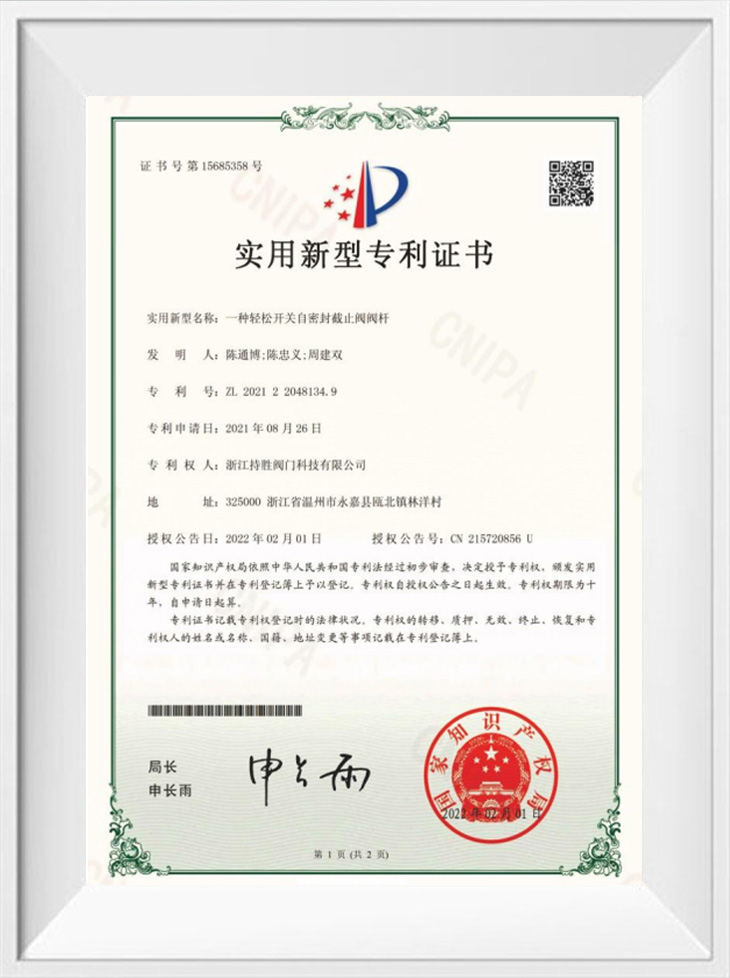
Zhejiang Chisheng Valve Technology Co., Ltd. is located in Oubei, Wenzhou, the famous "Hometown of Pumps & Valves in China". We are a professional manufacturer integrated with R&D, production and sales, specializing in forged steel ball valves, as well as various forged steel gate valves, globe valves, check valves, cryogenic valves, vent & drain valves, integral flange forged steel valves and self-sealing forged steel valves.
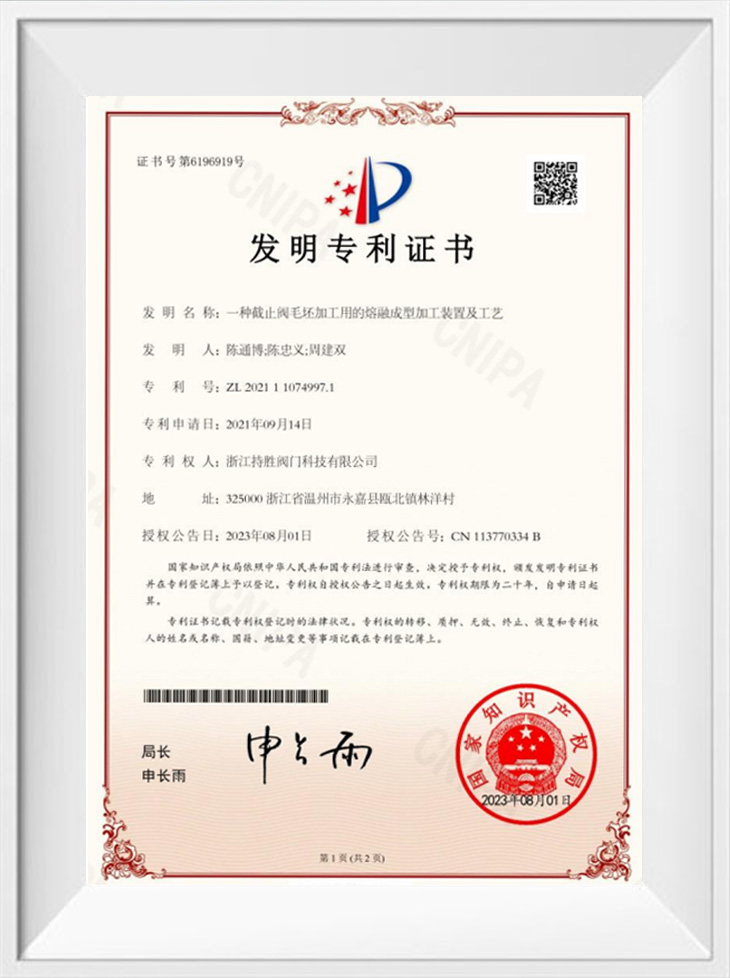
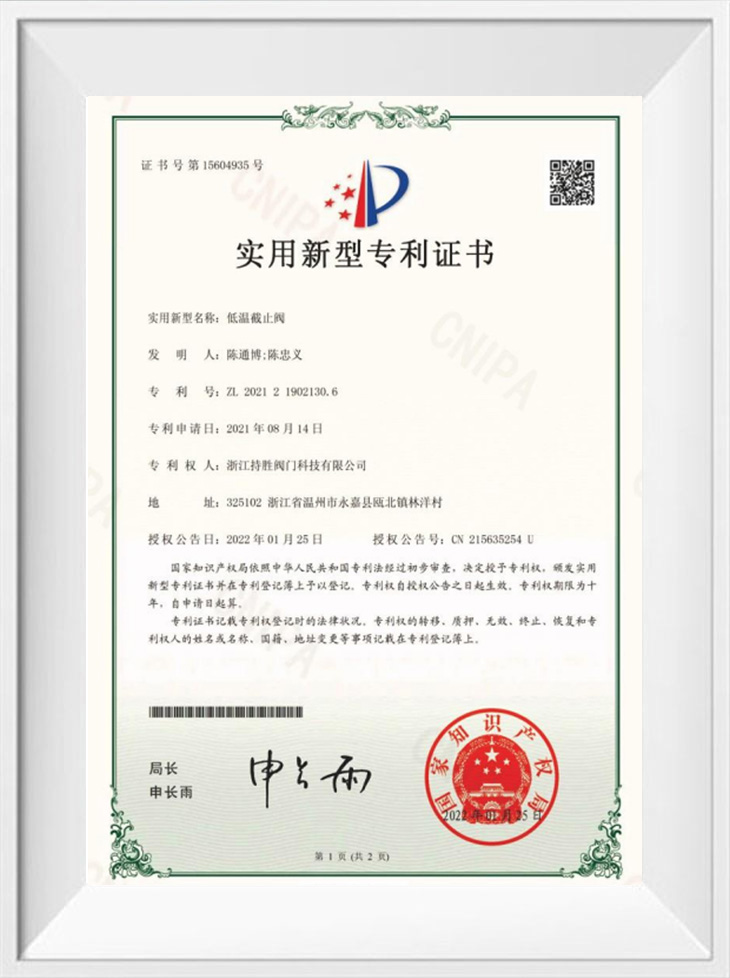
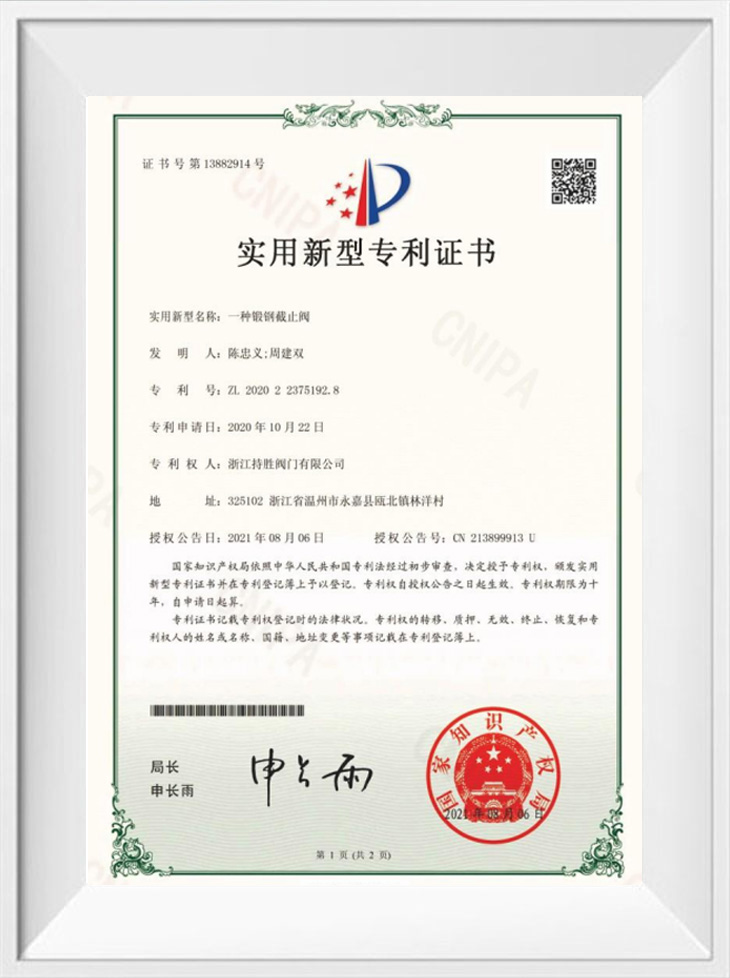
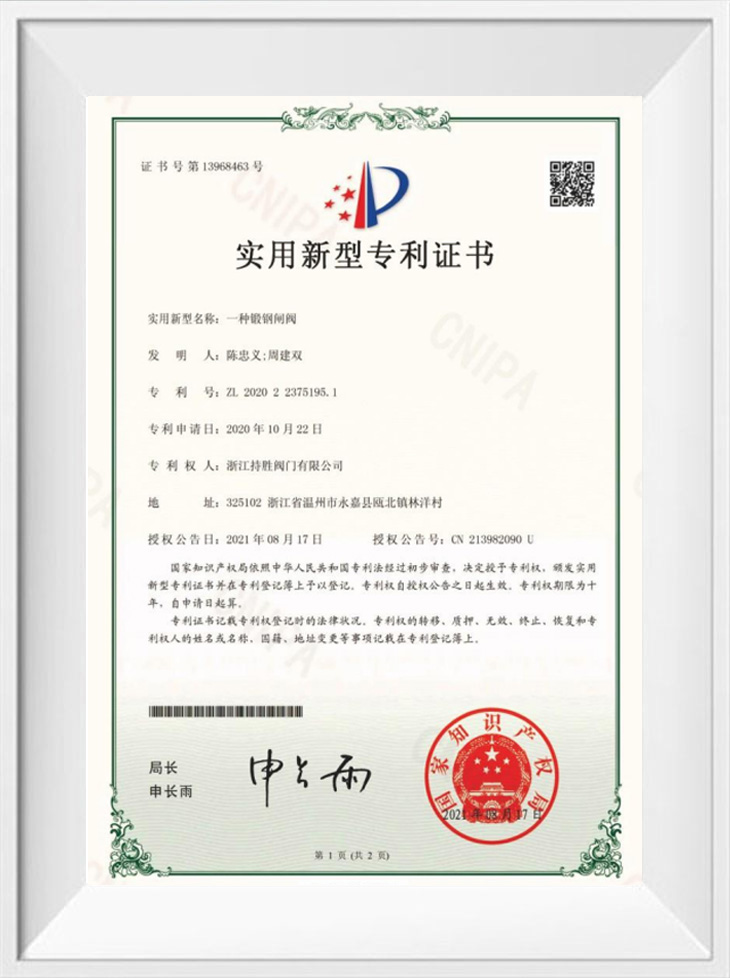
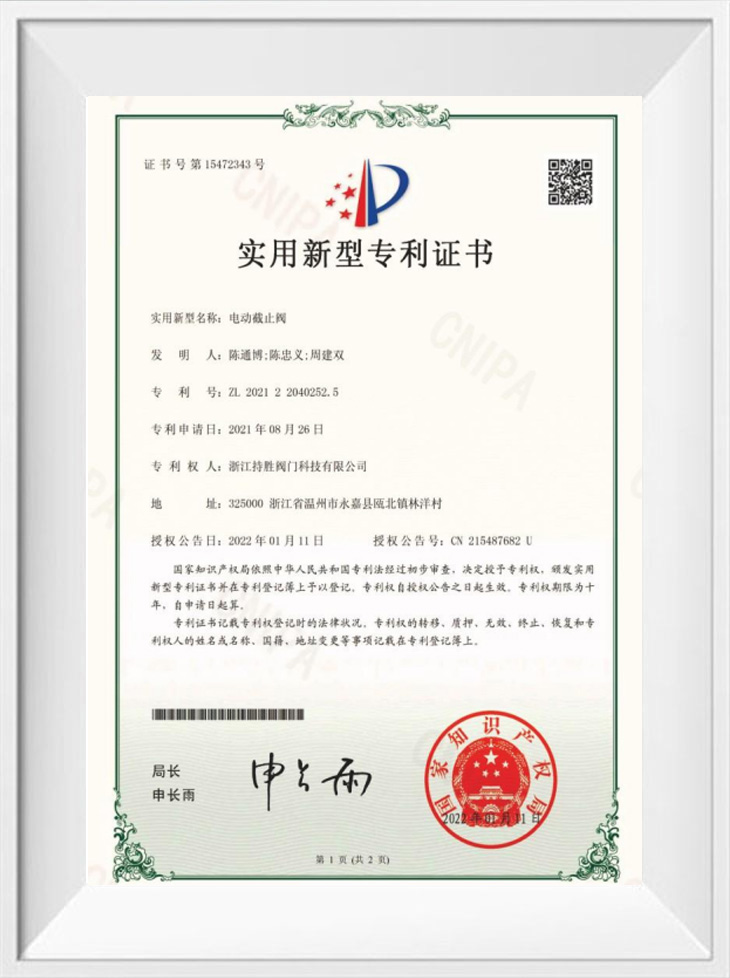
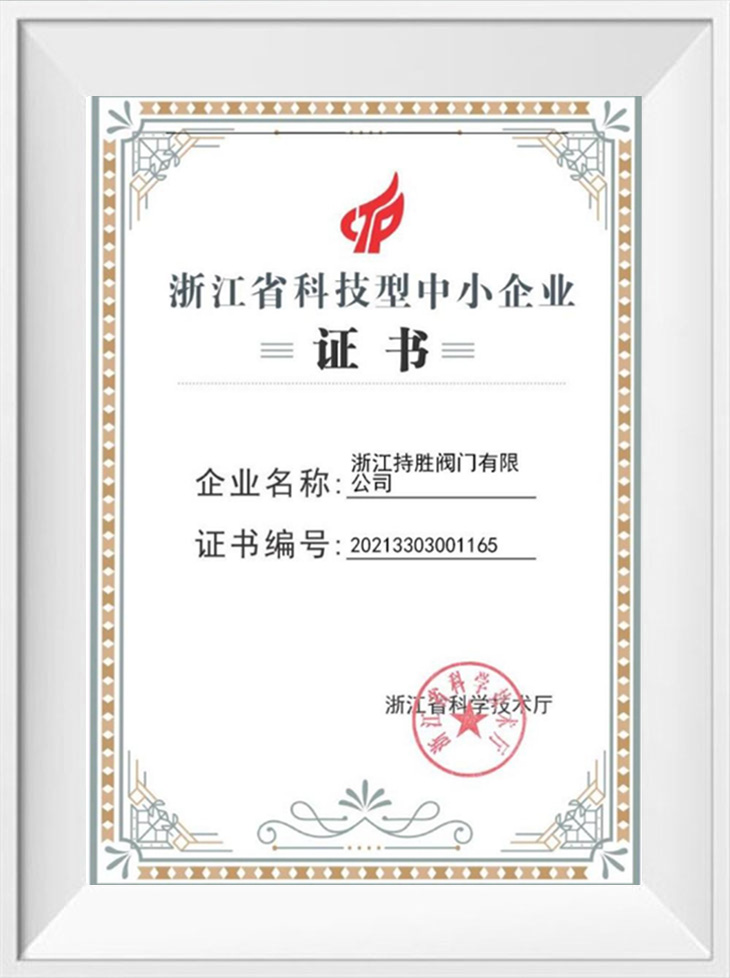
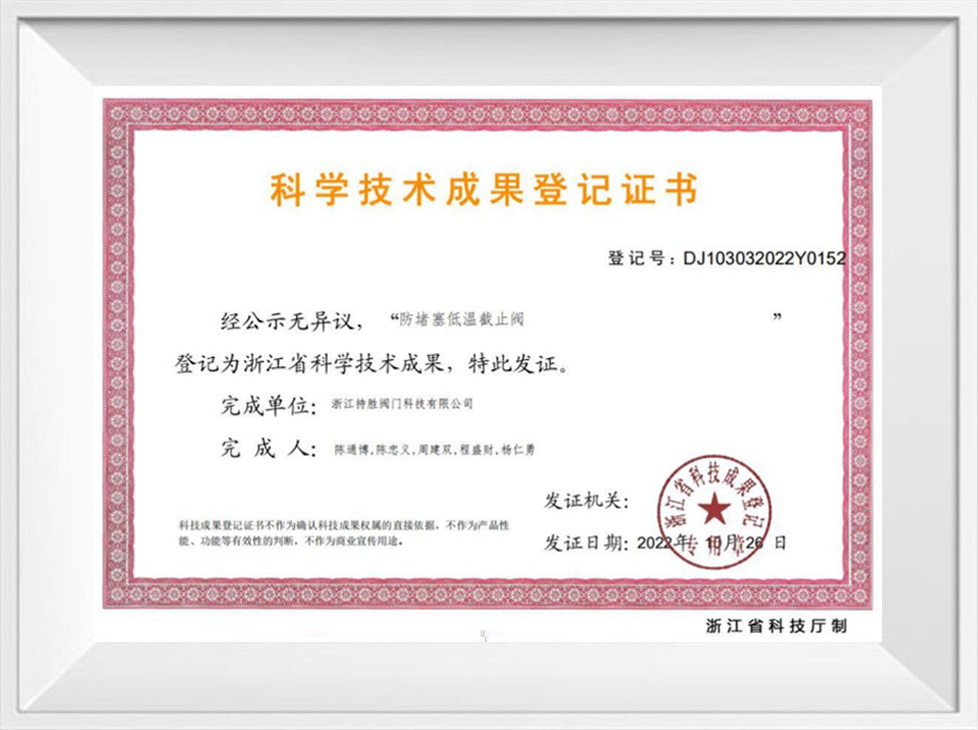
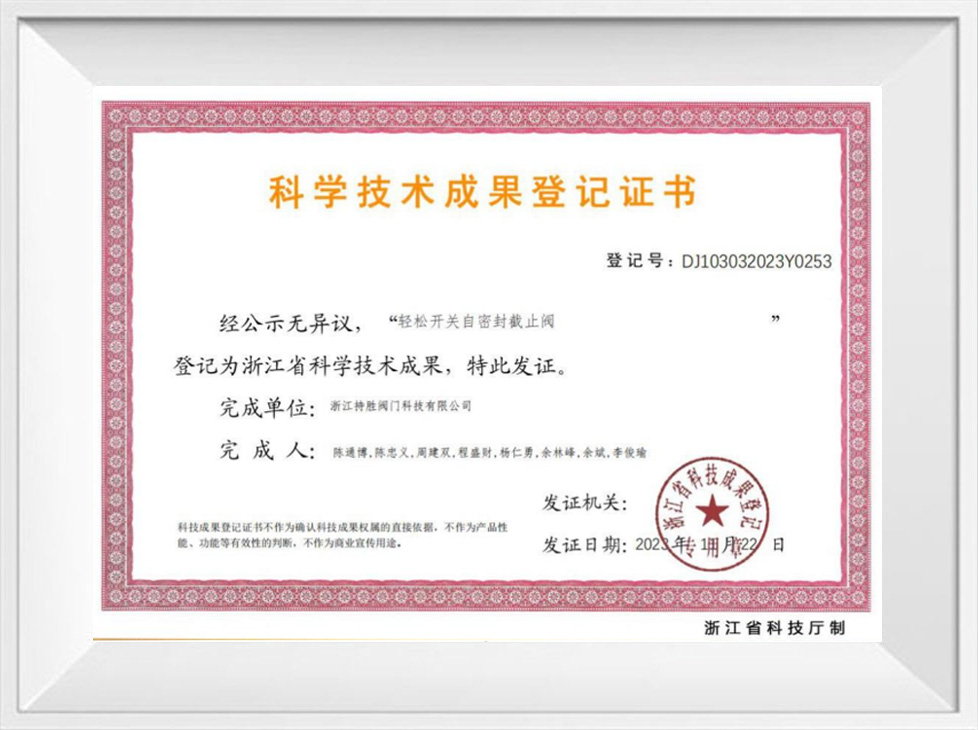
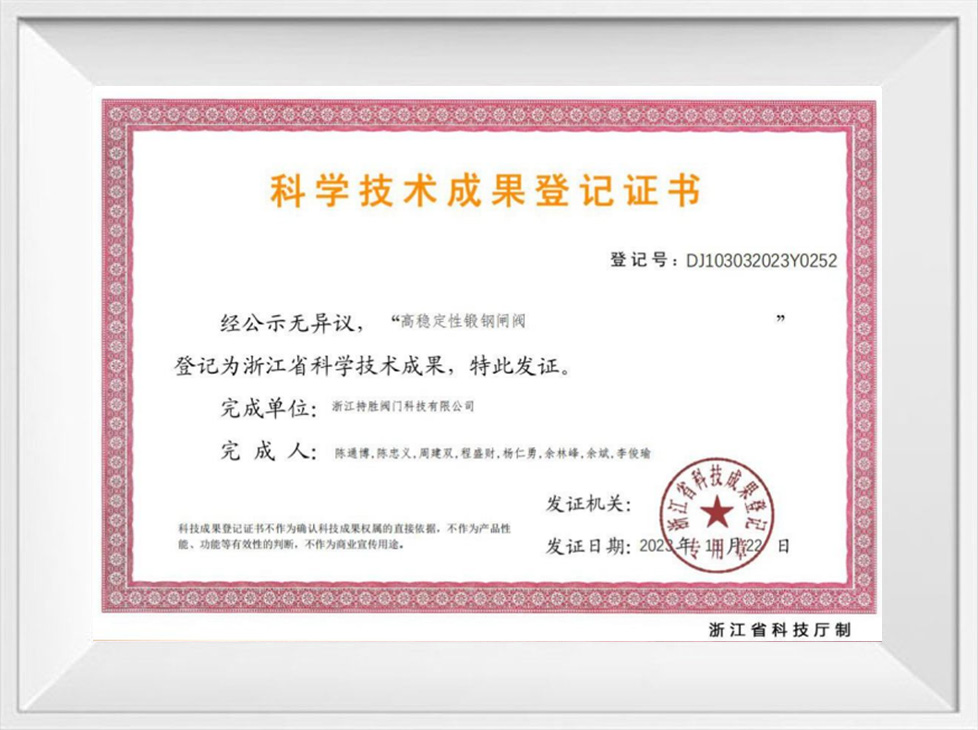
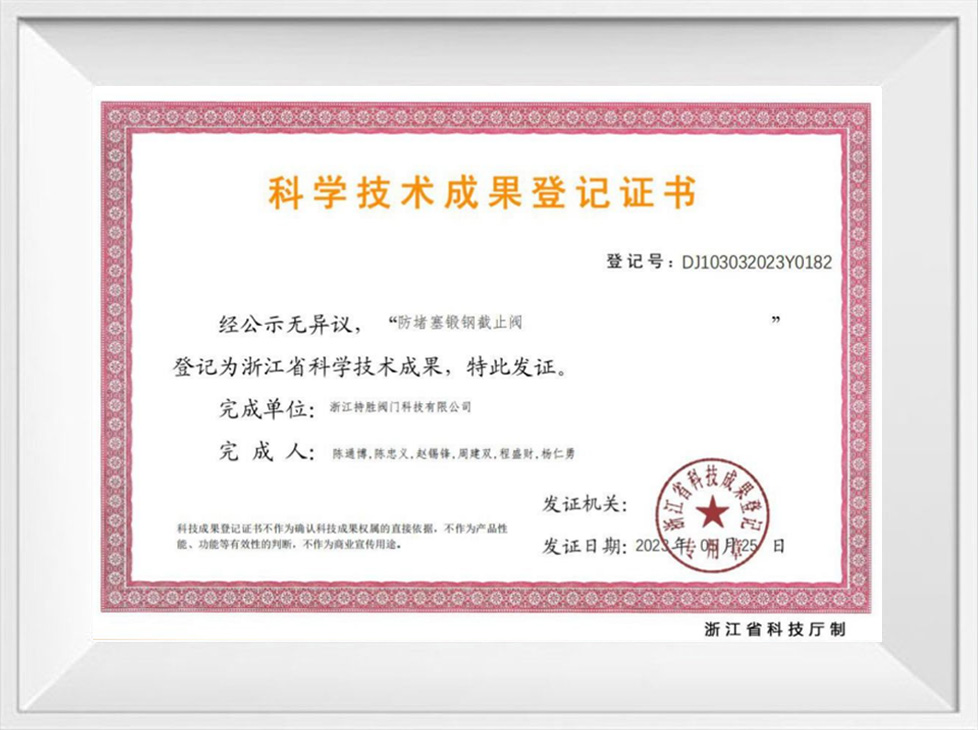
Zhejiang Chisheng Valve Technology Co., Ltd. * Zhejiang Chisheng Valve Technology Co., Ltd. * Zhejiang Chisheng Valve Technology Co., Ltd. * Zhejiang Chisheng Valve Technology Co., Ltd.
 Industry News
  Oct 16, 2026 Industry News Oct 09, 2026 Industry News Oct 02, 2026 Industry News Sep 25, 2026 Industry News Sep 18, 2026 Industry News Sep 11, 2026 Industry News Sep 04, 2026 Industry News Aug 28, 2026 Industry News Aug 21, 2026 Industry News Aug 14, 2026 Industry News Aug 07, 2026 Industry News Jun 15, 2026
 Gate valves are found almost everywhere in a processing facility. They are the backbone of flow isolation across water treatment plants, oil refineries, and chemical complexes. They may look simple—a wedge that moves up and down to block or allow flow—but the selection process involves several layers of technical decision-making.
Both CF8 and CF8M are cast stainless steel grades covered under ASTM A351. Their wrought equivalents are Type 304 and Type 316 respectively. At first glance, they appear similar. The real difference comes down to one element: molybdenum.
CF8M contains between 2.0% and 3.0% molybdenum. CF8 has none. That single addition changes how the material behaves in corrosive settings.
When to choose CF8:
When CF8M becomes necessary:
The addition of molybdenum increases the Pitting Resistance Equivalent Number from about 19 to around 26. CF8M works much better in the presence of chlorides in plain words. CF8M has now become the default for many oil and gas operators, as produced water and marine atmospheres are generally aggressive.
That said, neither grade is immune to stress corrosion cracking at elevated temperatures. But for most industrial applications below 500°F, CF8M offers a clear durability advantage.
Can you bury any gate valve? The honest answer is no. Underground service introduces demands that standard above-ground designs simply do not meet.
The stem makes the first difference. A rising stem valve moves upward as it opens, providing a visual position indicator. That works well in a pump station. But bury it, and you run out of vertical space quickly. Non-rising stem designs keep the stem inside the body, making them suitable for buried lines. Most underground water valves use this configuration, often with a position indicator fitted at the top of the stem.
Seating technology matters just as much. Traditional metal-seated wedge valves have a recess at the bottom to ensure tight closure. Sand and small stones collect there, eventually preventing a proper seal. Resilient seated valves take a different approach. The rubber encapsulation closes around any debris and springs back when the valve reopens, maintaining drop-tight performance over time.
Corrosion protection cannot be an afterthought. Buried valves face soil-side corrosion, groundwater intrusion, and stray electrical currents. Standard carbon steel bodies need robust coating systems—typically a zinc-rich epoxy primer, an intermediate epoxy layer, and a polyurethane topcoat, adding up to at least 300 microns of dry film thickness.
For municipal water networks, resilient seated gate valves built to EN 1074-1 and EN 1074-2 are the typical specification, handling pressures up to 16 bar and temperatures below 30°C.
ANSI/ASME pressure classes (150, 300, 600, and higher) set the maximum allowable working pressure at a given temperature. For oil and gas work, Class 150, 300, and 600 cover the vast majority of installations.
| Class | Ambient Pressure Rating | Where You Find It |
| 150 | 285 psi | Water injection, low-pressure gathering, utility services |
| 300 | 740 psi | Production manifolds, medium-pressure pipelines, refineries |
| 600 | 1,480 psi | Wellheads, offshore platforms, high-pressure gas processing |
Class 150 suits lower-pressure duties. Many refinery utility systems and water handling networks operate comfortably within this range.
Class 300 handles the bulk of production requirements. It is the workhorse class for onshore oil fields and midstream pipeline stations.
Class 600 comes into play where well shut-in pressures run high or where gas compression demands heavier construction. These valves often feature pressure seal bonnets and upgraded bolting materials.
The choice is rarely just about pressure. Temperature de-rates the rating, so a Class 300 valve at 500°F handles less than its ambient rating. Material selection also interacts with pressure class—you might specify CF8M bodies even at Class 150 if the fluid is corrosive.
Industrial gate valves answer to multiple standards bodies. Understanding which ones apply helps avoid procurement headaches.
ASME/ANSI covers dimensions and design basis:
API brings industry-specific requirements:
ISO adds international harmonization:
When putting together a procurement specification, check each of these boxes:
Missing any of these can lead to rejected deliveries or, worse, failed installations.
At its core, a gate valve does one job: it stops flow or allows full flow. It is not a control valve. Throttling causes erosion, vibration, and eventual leakage.
The mechanism is straightforward. Turning the handwheel rotates the stem, which moves the gate up or down. When fully open, the gate pulls entirely into the bonnet, leaving a clear bore. This design gives gate valves two advantages: very low pressure drop and the ability to pass pipeline pigs.
Gate types vary by service:
The slow operation is intentional—it prevents rapid pressure changes that cause water hammer. But that same slow action makes gate valves unsuitable for frequent cycling or modulating service.

We are a professional manufacturer of industrial valves,
specializing in gate valves, globe valves, check valves, ball valves,
and custom-engineered valve solutions.
+86-13057728556
+86-13857082222
csvalvetech@gmail.com
1st Floor, Building J, Zhuao Canaan Secondary Industrial Park, Yongjia County, Wenzhou City, Zhejiang, China
Let's Work Together

 English
 中文简体
中文简体
 русский
 Español