Zhejiang Chisheng Valve Technology Co., Ltd. * Zhejiang Chisheng Valve Technology Co., Ltd. * Zhejiang Chisheng Valve Technology Co., Ltd. * Zhejiang Chisheng Valve Technology Co., Ltd.
Pipeline systems operating under demanding conditions require components capable of handling pressure fluctuations, temperature changes, and continuous mechanical stress. Although valves often appear as small parts within a larger system, their structural reliability directly affects the stability of industrial operations. Heavy-duty applications such as oil transportation, chemical processing, power generation, and refining rely on advanced valve designs that can maintain safe fluid control under challenging environments.
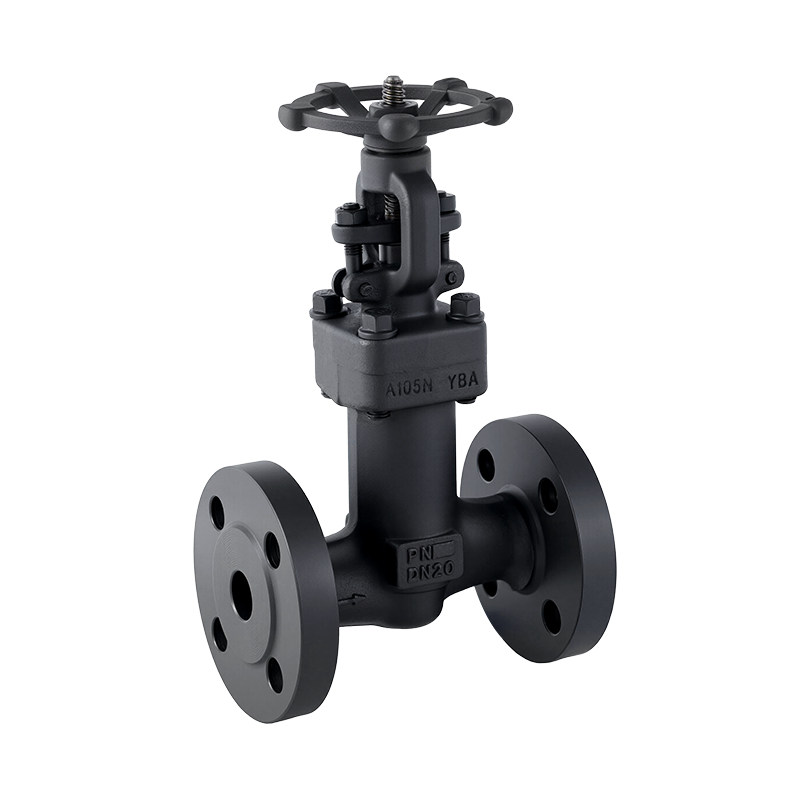
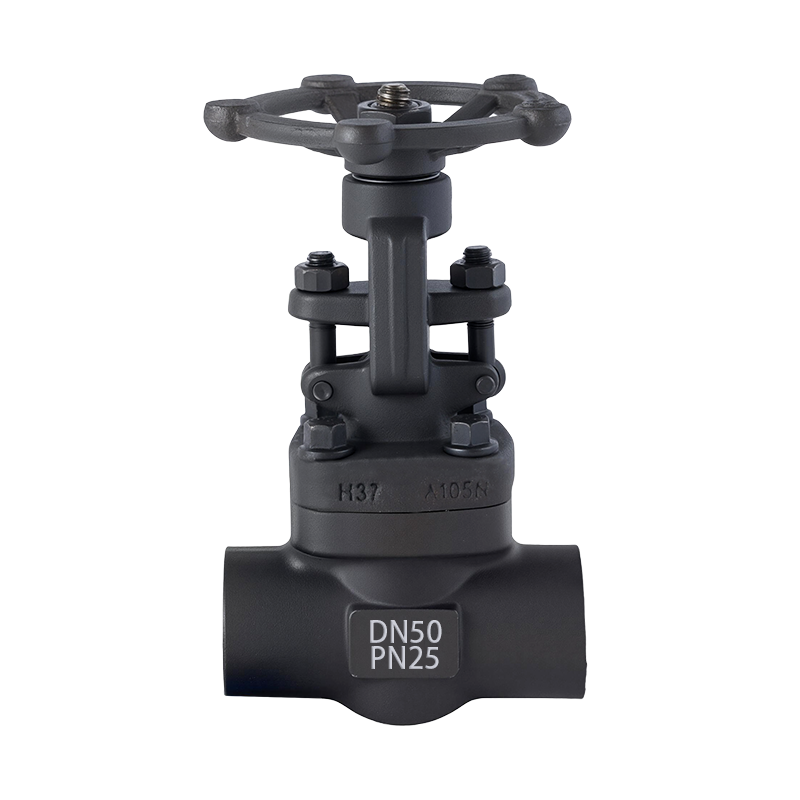
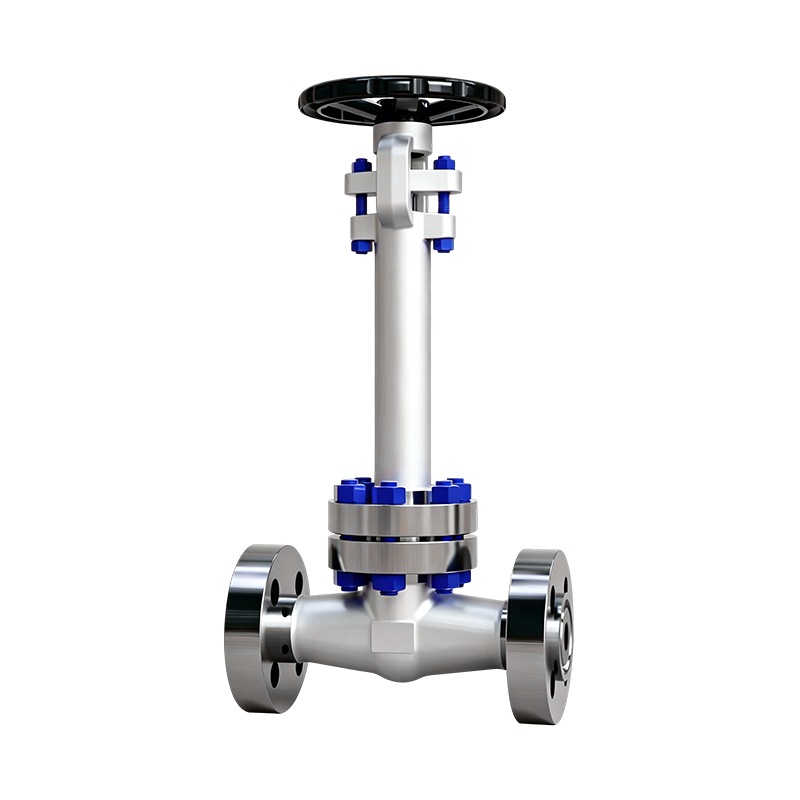
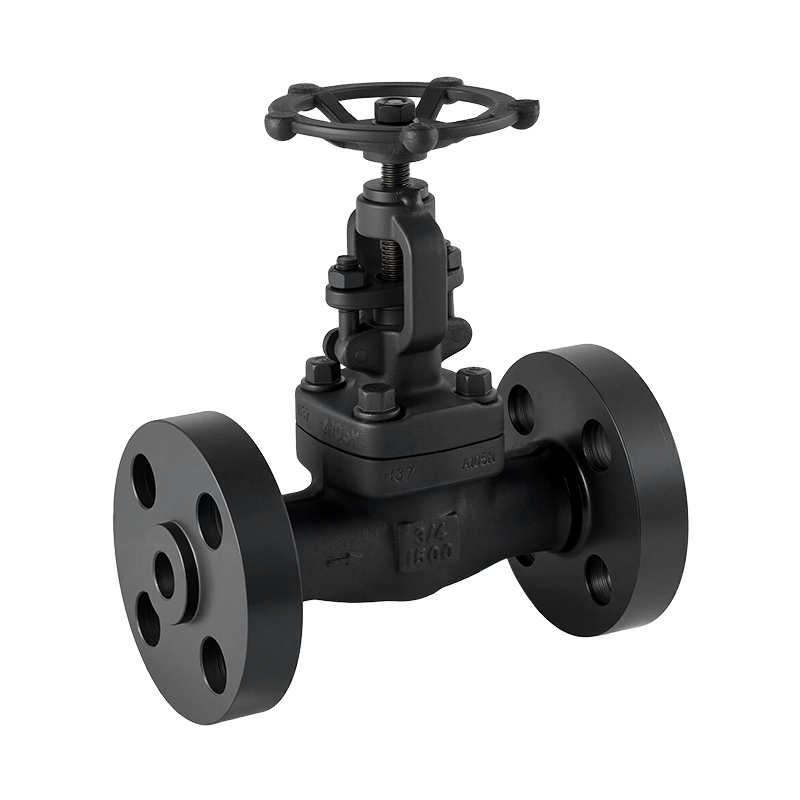
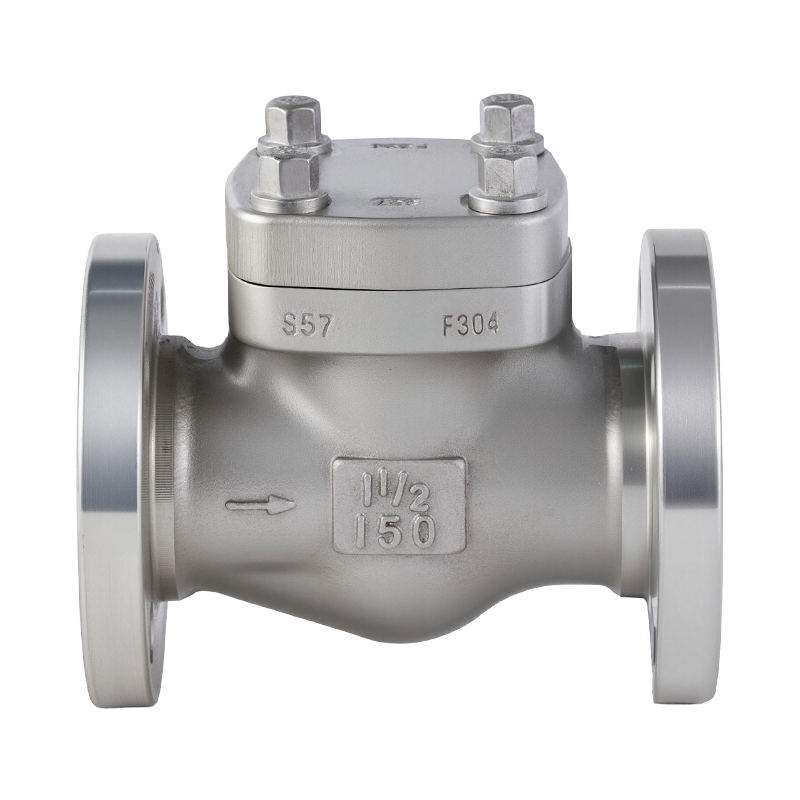
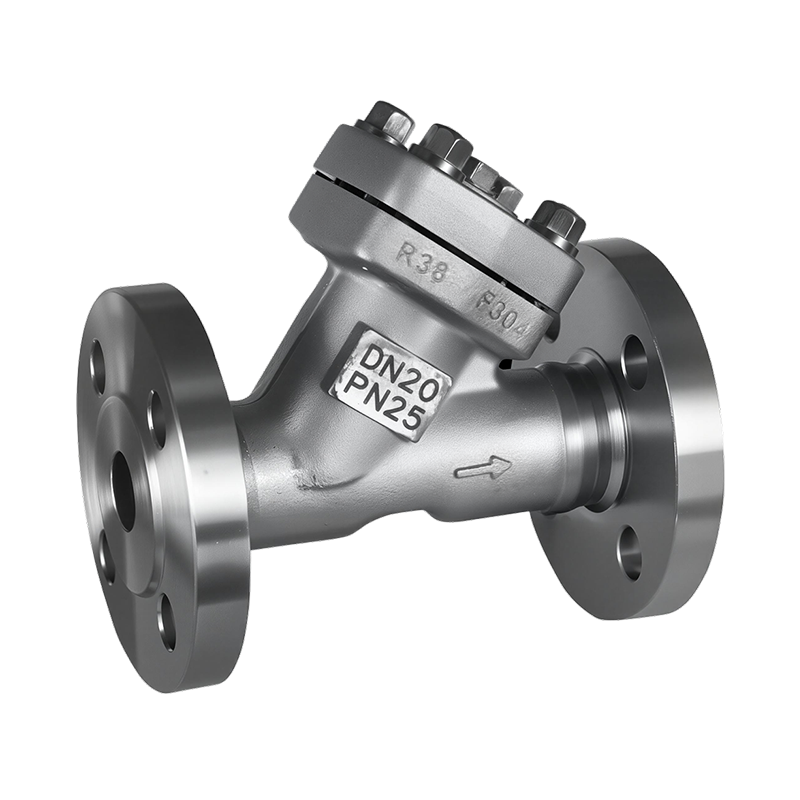
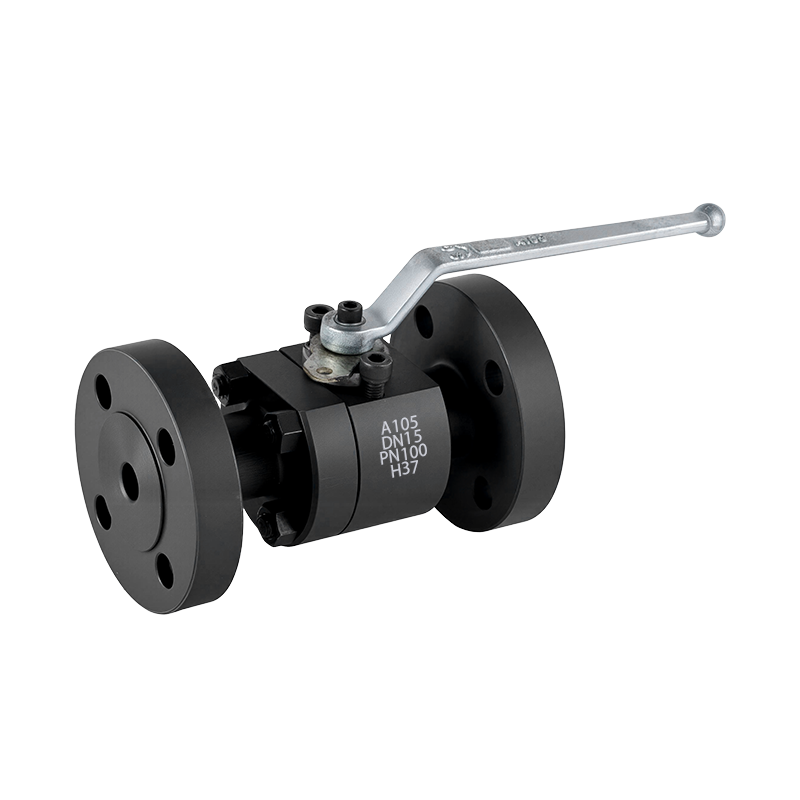
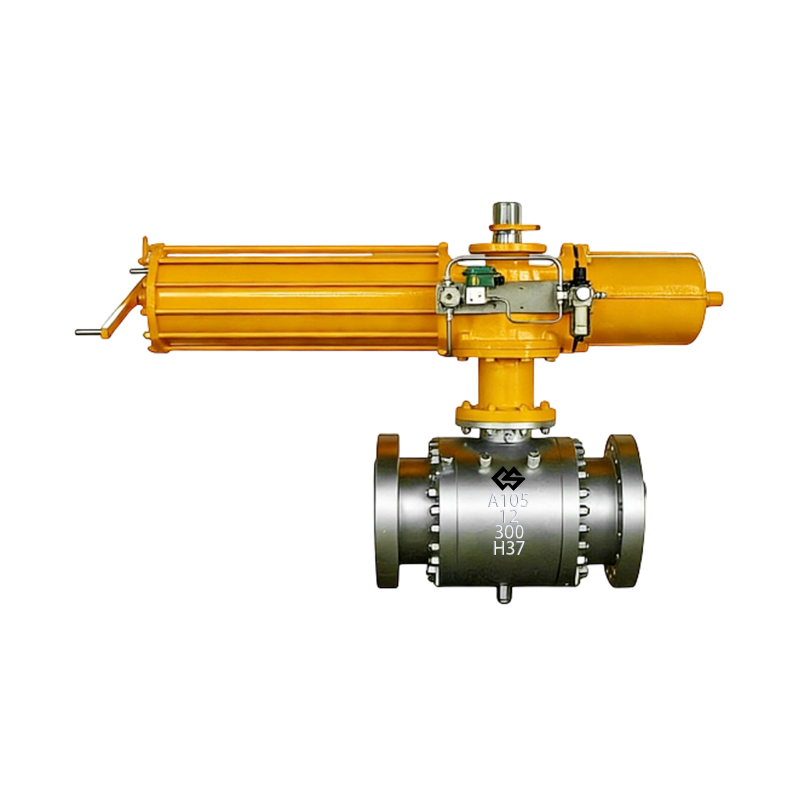
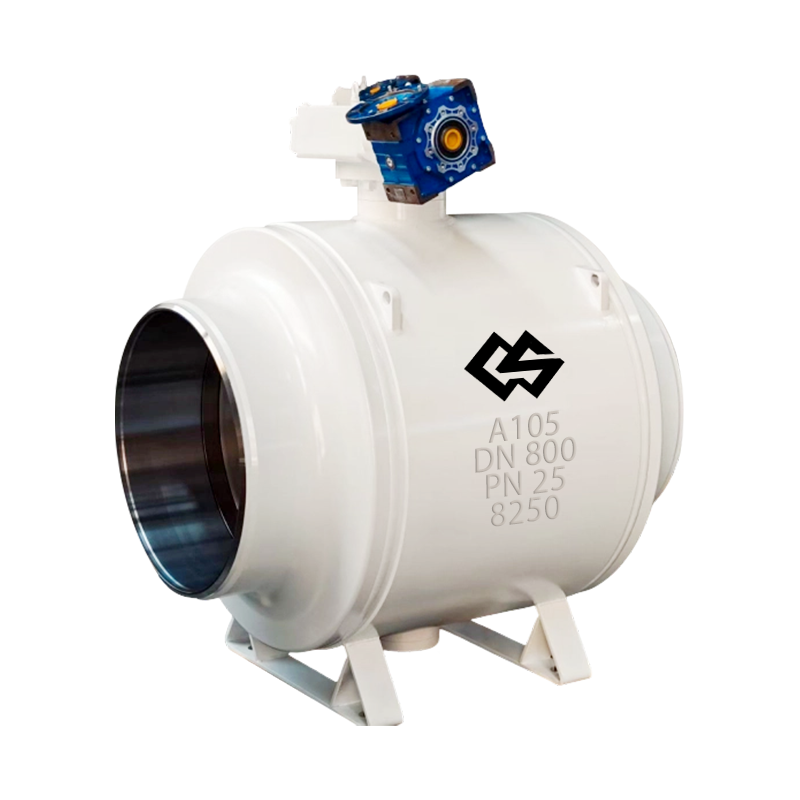
Heavy-Duty Forged Steel Valves are engineered around strength, material integrity, and pressure resistance. Unlike conventional manufacturing methods that may involve casting processes, forging shapes steel through controlled mechanical deformation, creating a dense metal structure with improved resistance against impact and pressure-related stress. Forged steel valve designs commonly follow industrial standards such as API 602 and ASME B16.34 for pressure-containing components and testing requirements.
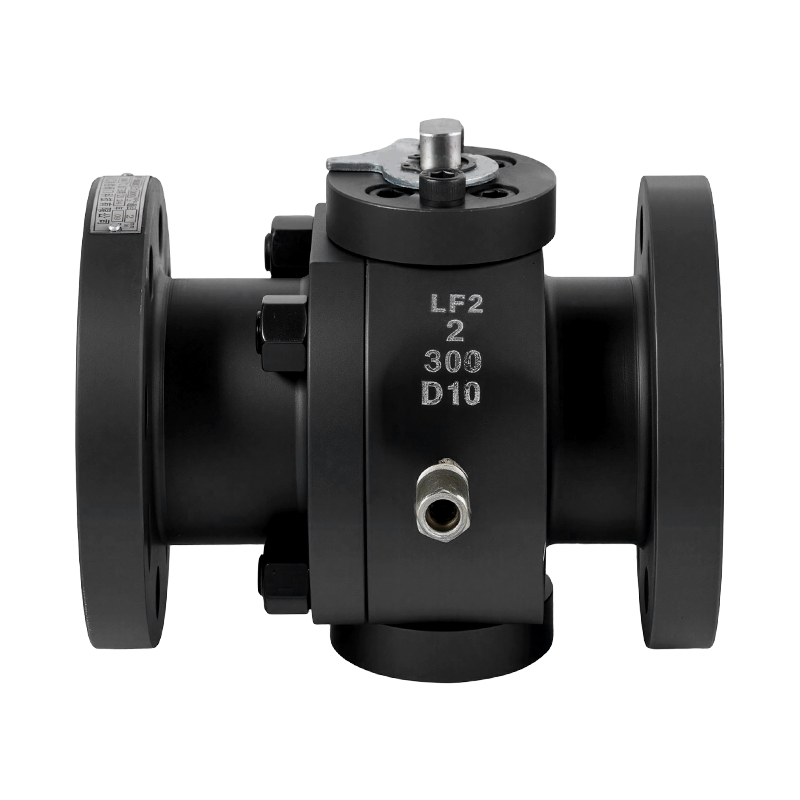
The body structure is one of the most important factors affecting valve reliability. During forging, steel materials are compressed and formed under controlled conditions. This process helps reduce internal voids and improves material consistency throughout the valve body.
These characteristics make forged valves suitable for applications where unexpected pressure conditions may occur. The ability to maintain structural stability under stress is a key reason engineers consider forged designs for critical pipeline systems.
Different pipeline environments require different steel grades and alloy combinations. The material used in a forged valve determines its resistance to corrosion, temperature changes, and mechanical loading.
Engineers usually evaluate the working medium, operating temperature, pressure level, and service environment before determining the appropriate material combination.
Pipeline safety depends on multiple factors, including valve sealing performance, body strength, and operational stability. Heavy-duty forged designs are commonly applied in systems where valve failure could interrupt production or create safety concerns.
In these environments, valve design is not only about controlling fluid movement. It also involves maintaining system integrity during years of operation.
Industrial buyers and engineers review detailed specifications before applying forged steel valves to pipeline projects. Several design elements influence operational capability.
A properly designed forged valve must balance strength, sealing performance, and operational requirements rather than focusing on a single specification.
Valve leakage control is another important consideration in pipeline safety. Modern forged steel valves often use advanced sealing structures to maintain tight shut-off during operation.
Reliable sealing becomes especially important in systems transporting valuable or hazardous fluids. A well-designed sealing structure helps maintain controlled operation and reduces unexpected process interruptions.
Although pipeline systems remain a major application area, forged steel valves are also used in many specialized industrial installations.
Industrial valve development continues to focus on stronger materials, improved manufacturing accuracy, and smarter monitoring capabilities. Digital inspection methods and advanced surface treatments are becoming increasingly important for modern valve systems.
Future forged valve designs may combine traditional mechanical strength with sensor technology, allowing operators to monitor pressure conditions, operating cycles, and potential performance changes.
The strength behind a pipeline system is often determined by the quality of its pressure-control components. Heavy-duty forged steel valves provide a combination of structural reliability, material performance, and adaptable design options for demanding industrial environments.
From high-pressure energy networks to chemical processing facilities, forged valve technology continues to support safer and more stable fluid transportation. As industrial requirements become increasingly complex, advanced forged steel designs will remain an important part of critical pipeline engineering.

We are a professional manufacturer of industrial valves,
specializing in gate valves, globe valves, check valves, ball valves,
and custom-engineered valve solutions.
+86-13057728556
+86-13857082222
csvalvetech@gmail.com
1st Floor, Building J, Zhuao Canaan Secondary Industrial Park, Yongjia County, Wenzhou City, Zhejiang, China
Let's Work Together

 English
 中文简体
中文简体
 русский
 Español