Zhejiang Chisheng Valve Technology Co., Ltd. * Zhejiang Chisheng Valve Technology Co., Ltd. * Zhejiang Chisheng Valve Technology Co., Ltd. * Zhejiang Chisheng Valve Technology Co., Ltd.
Check valves are installed where backflow may happen. Typical locations include pump discharges, boiler lines, water supply and drainage networks, and oil, gas, or chemical pipelines.
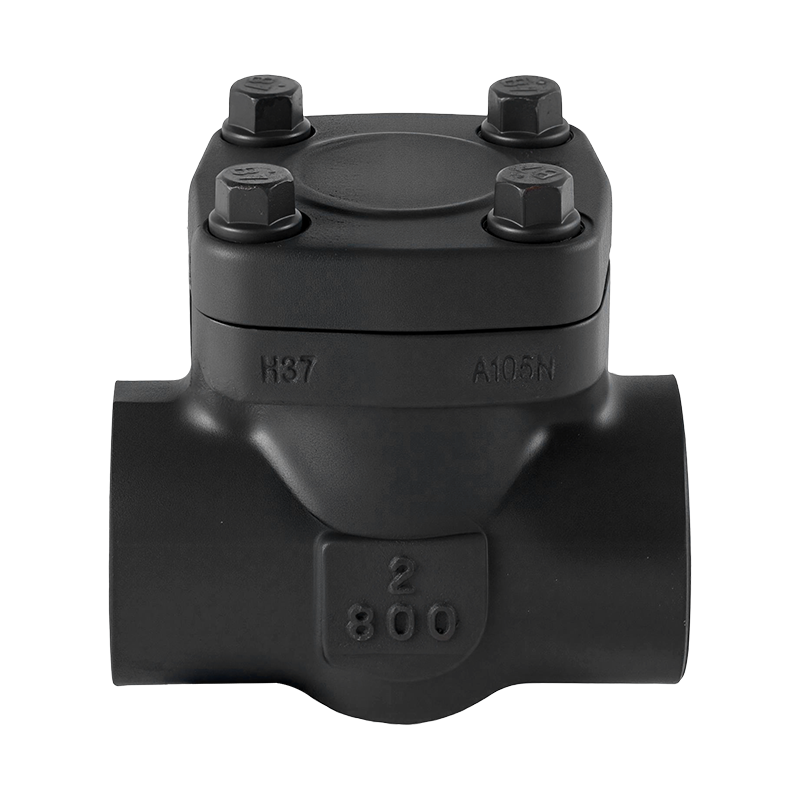
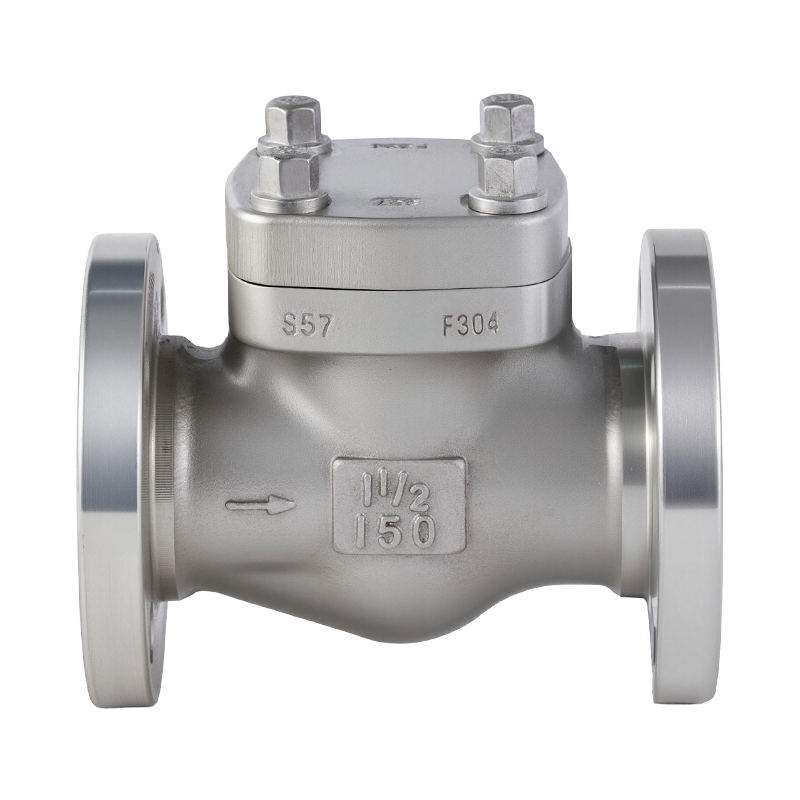
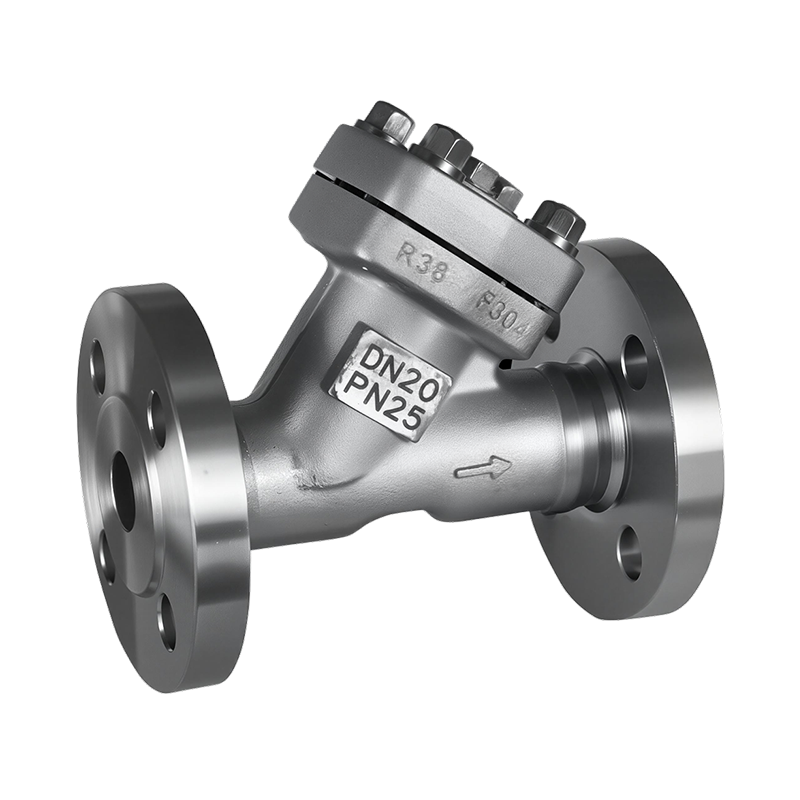
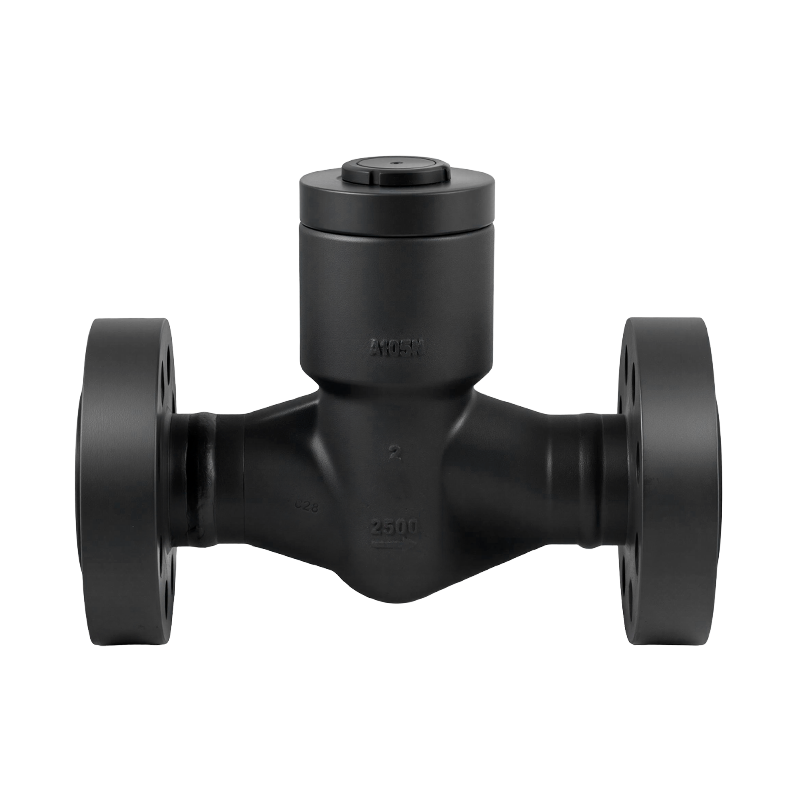
This category includes lift-type and swing-type check valves. Products come in multiple materials, pressure ratings and installation styles. They work for standard media as well as corrosive, high‑pressure, or low‑pressure conditions. Applications cover industrial, municipal, and civil fluid systems.
Applications
Used in oil and gas transmission lines, storage and transport equipment, and refinery process lines to protect downstream equipment from backflow. Depending on material and structure, they handle corrosive chemicals, acids, alkalis, and industrial wastewater. Also widely used in HVAC circulation systems, boiler lines, water treatment equipment, and industrial fluid systems for one‑way flow control.
Reasons to Purchase
The valve prevents backflow by itself. No manual operation is needed. Different structures and sealing materials are available for different service conditions. Options include carbon steel, stainless steel, and special alloy check valves for water, oil, gas, or corrosive fluids. Connections: flange, threaded, and welded. Standards: DIN, ANSI, JIS, BS, GB. Suitable for pipeline contractors, pump OEMs, system integrators, export distributors, and long‑term project buyers. Backflow seal tests, pressure tests, and overall performance checks can be done before shipment.
Size Range
Standard sizes are in stock. Special sizes can be customized based on actual service conditions.
Zhejiang Chisheng Valve Technology Co., Ltd. * Zhejiang Chisheng Valve Technology Co., Ltd. * Zhejiang Chisheng Valve Technology Co., Ltd. * Zhejiang Chisheng Valve Technology Co., Ltd.
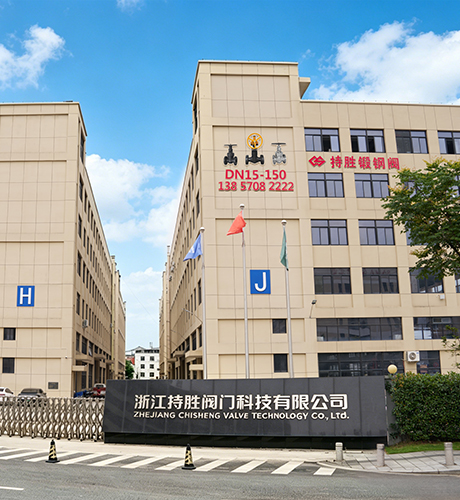

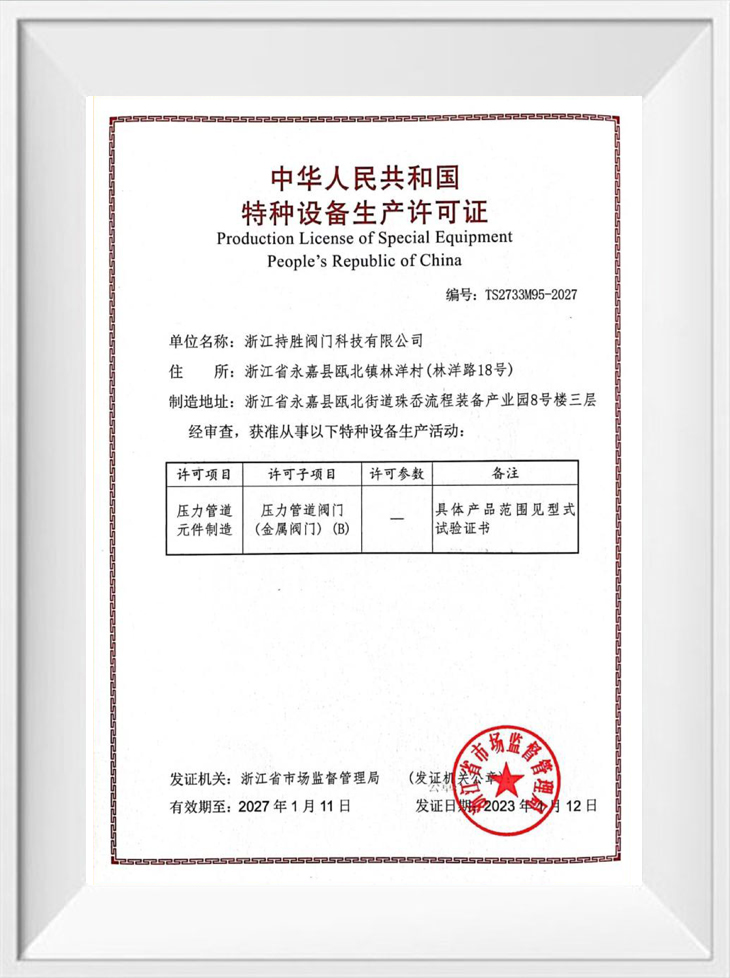
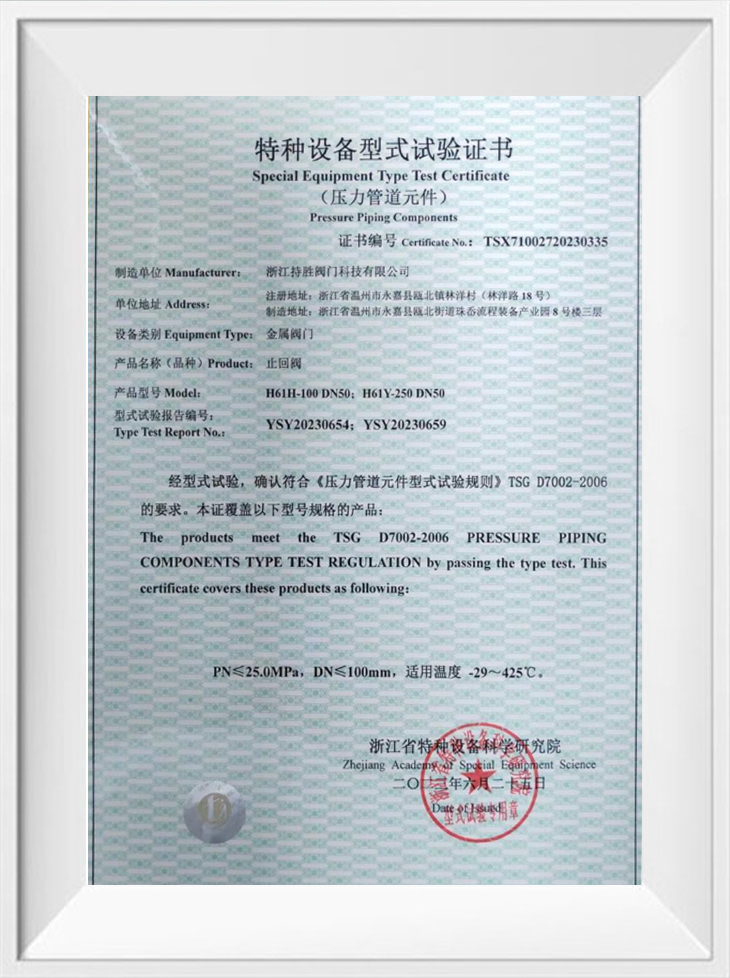
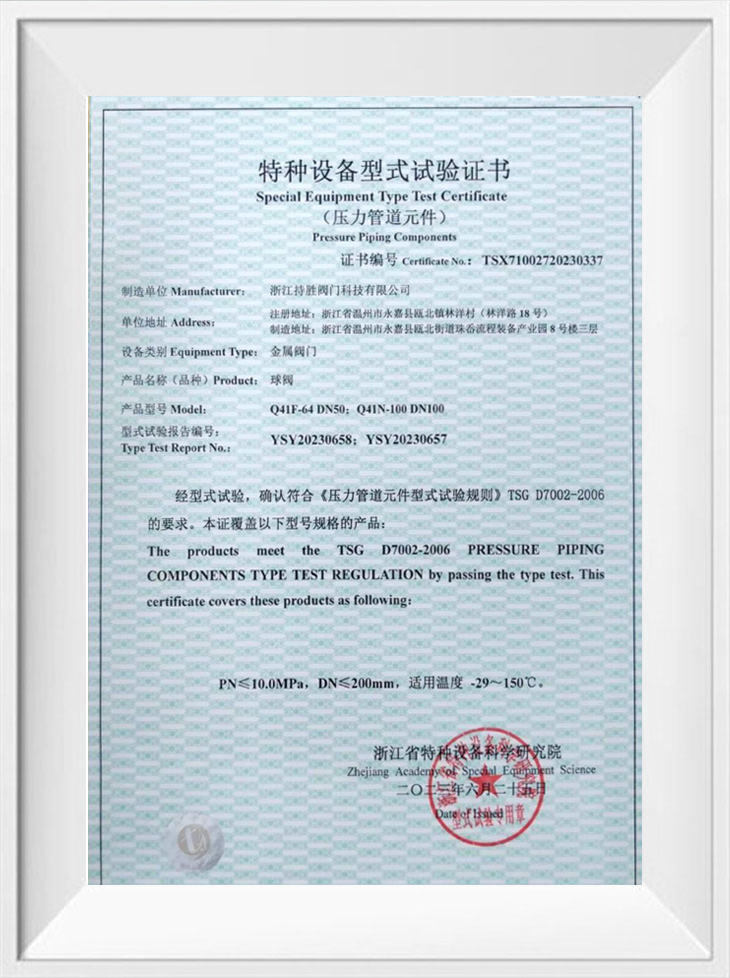
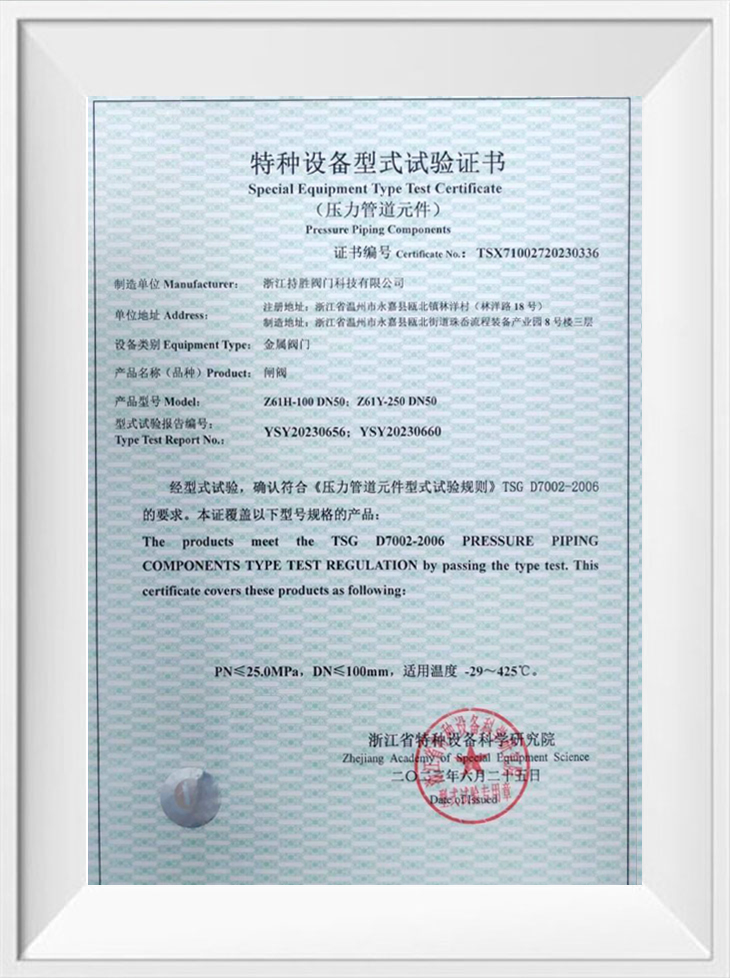
Zhejiang Chisheng Valve Technology Co., Ltd. is located in Oubei, Wenzhou, the famous "Hometown of Pumps & Valves in China". We are a professional manufacturer integrated with R&D, production and sales, specializing in forged steel ball valves, as well as various forged steel gate valves, globe valves, check valves, cryogenic valves, vent & drain valves, integral flange forged steel valves and self-sealing forged steel valves.
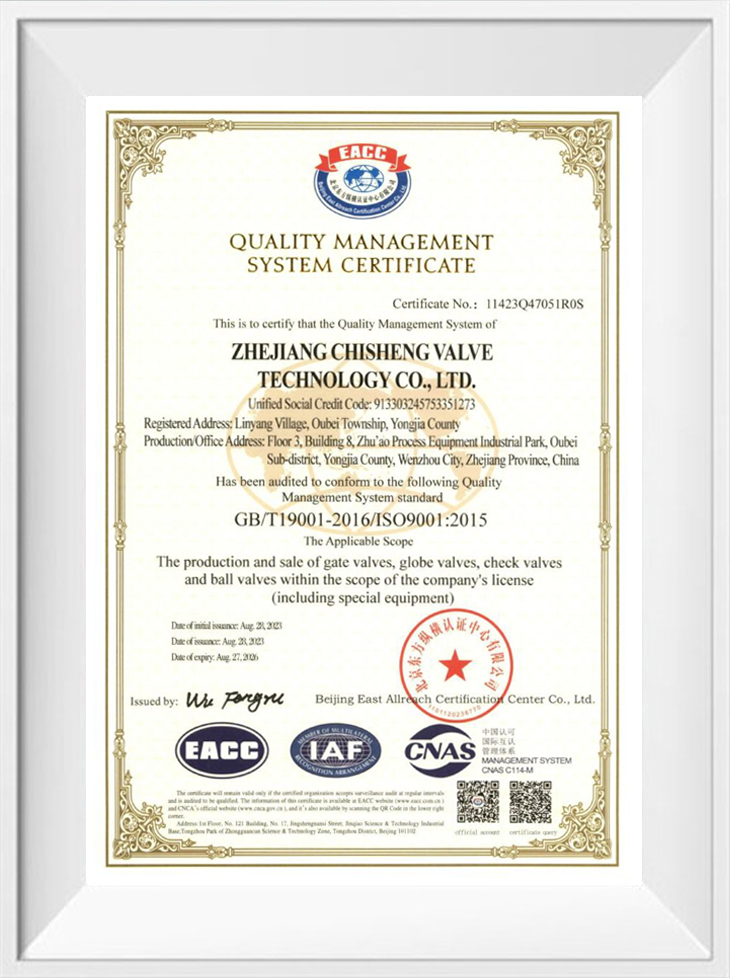
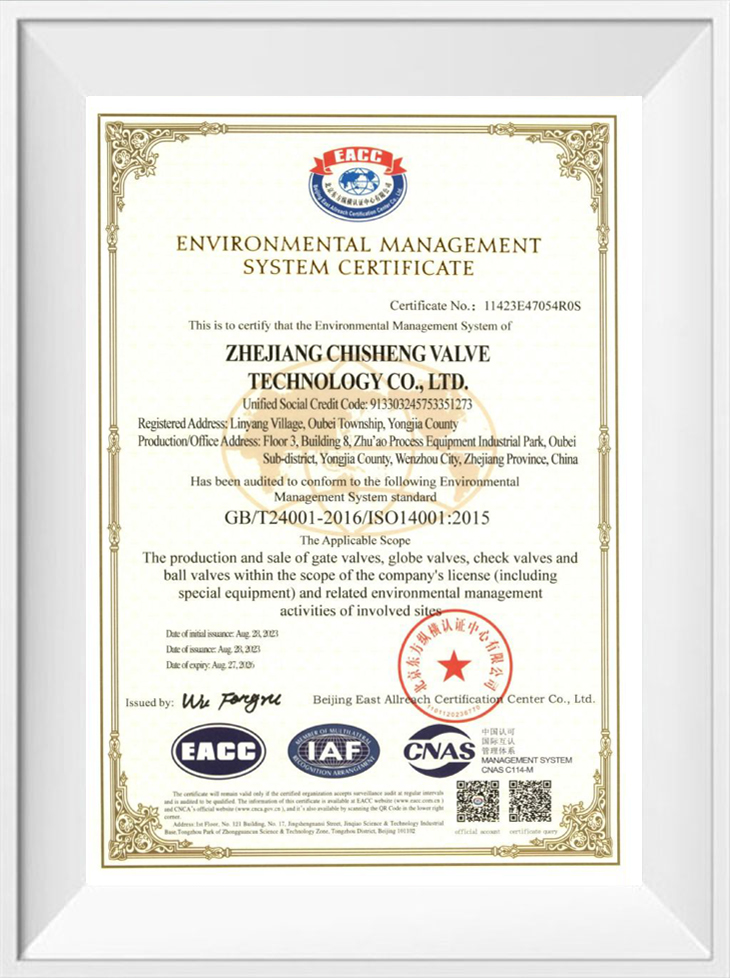
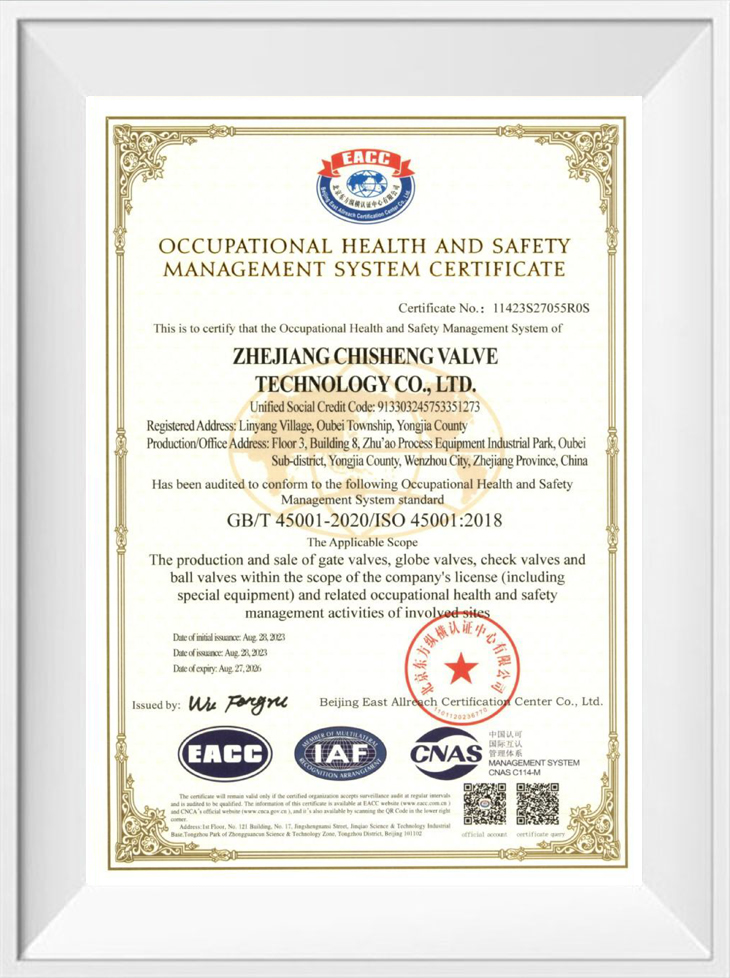
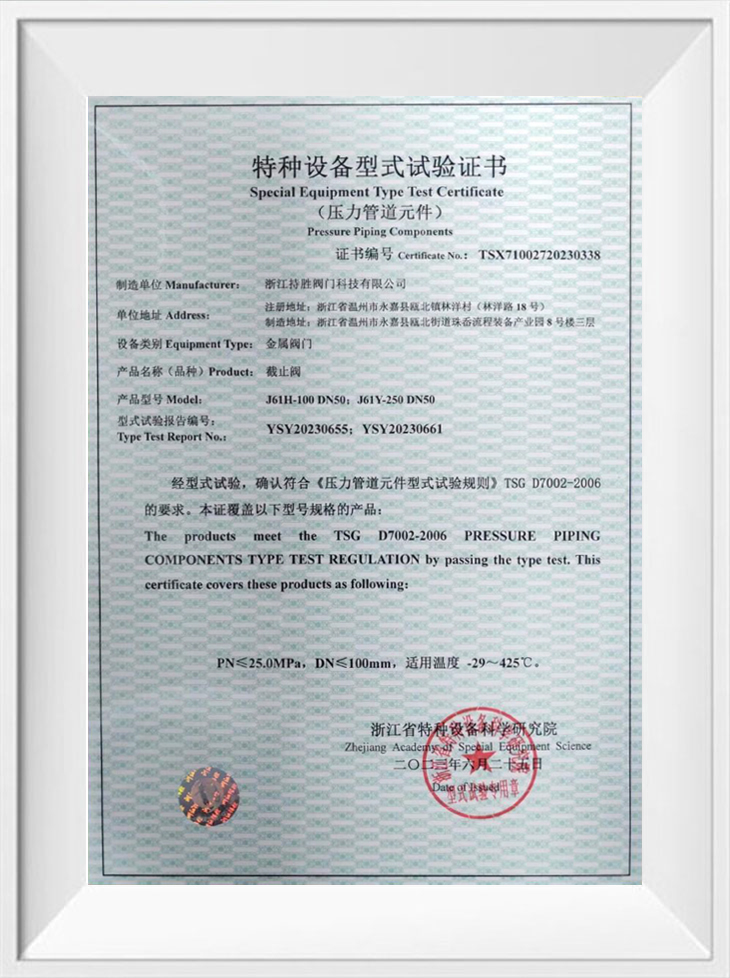
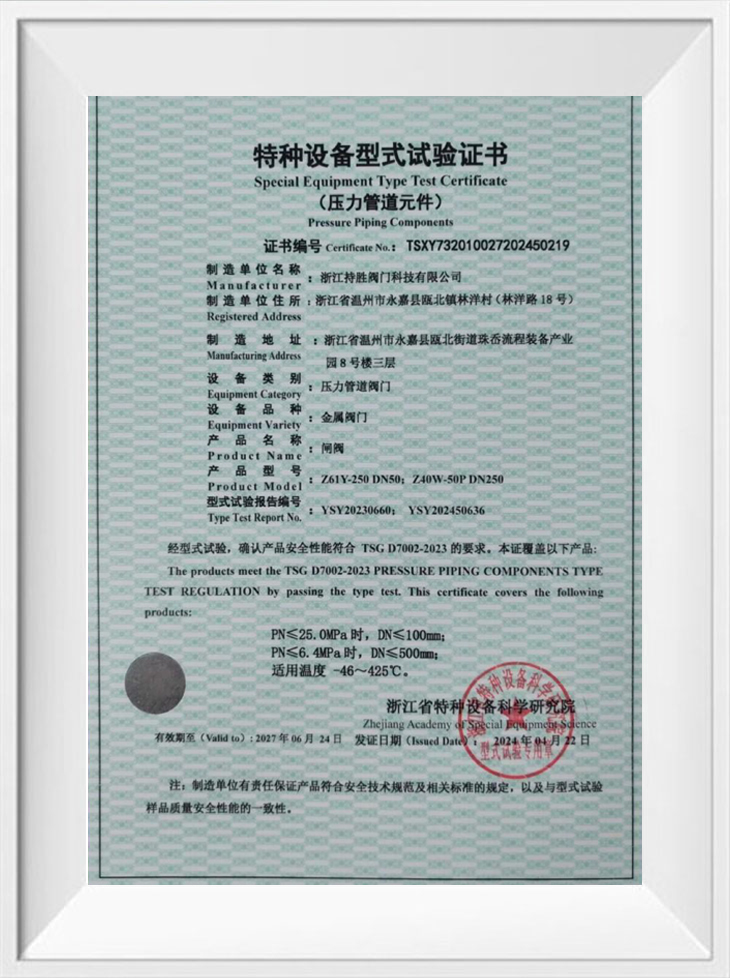
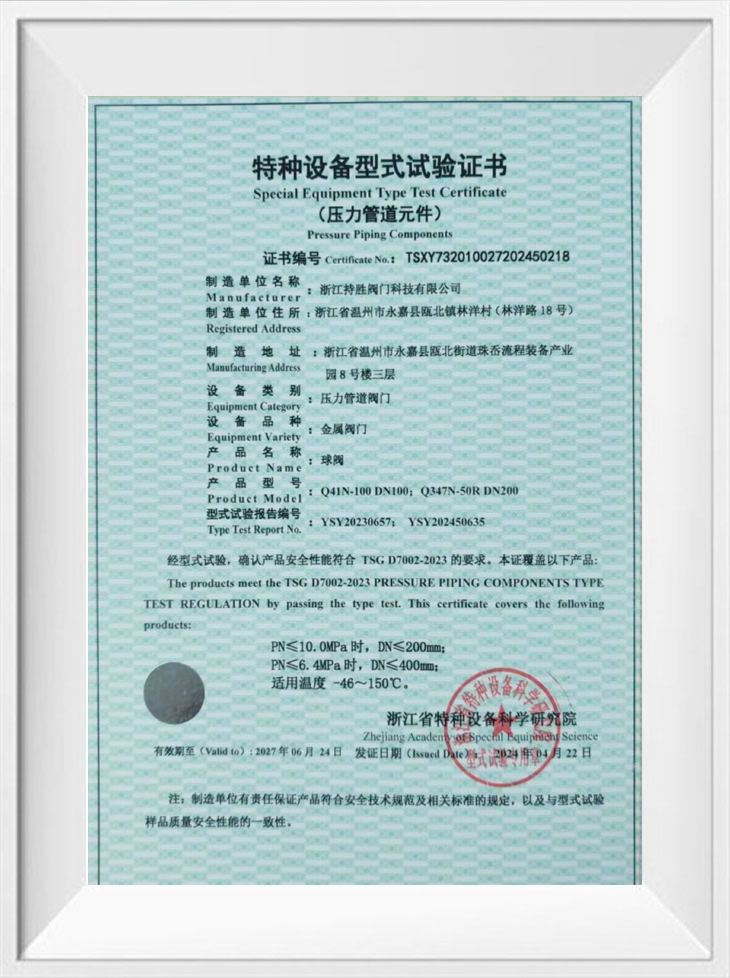
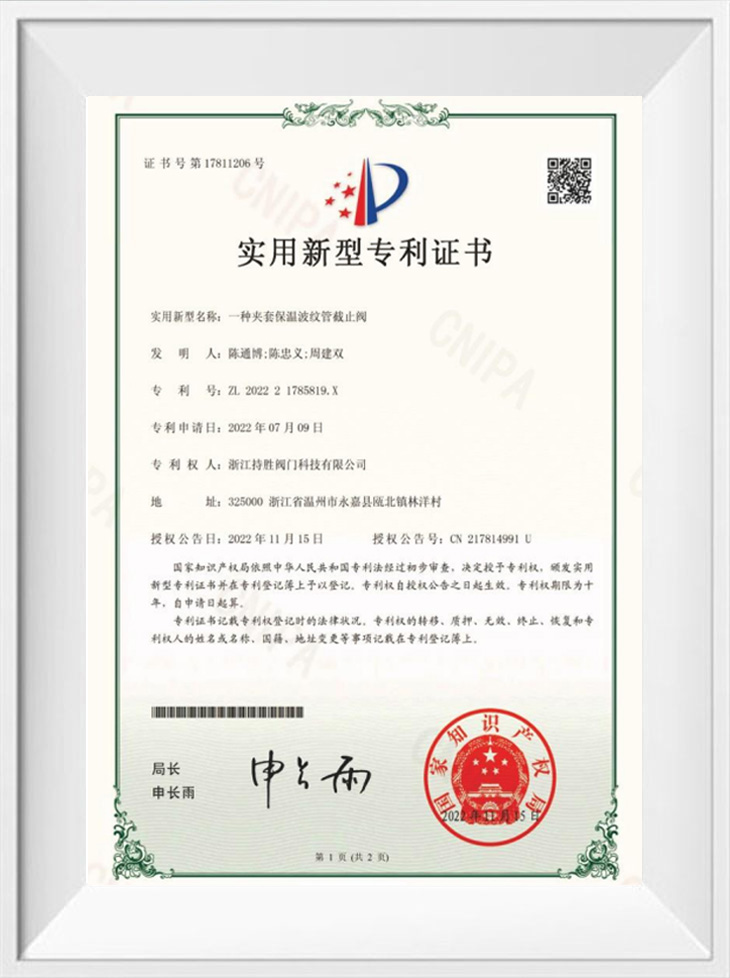
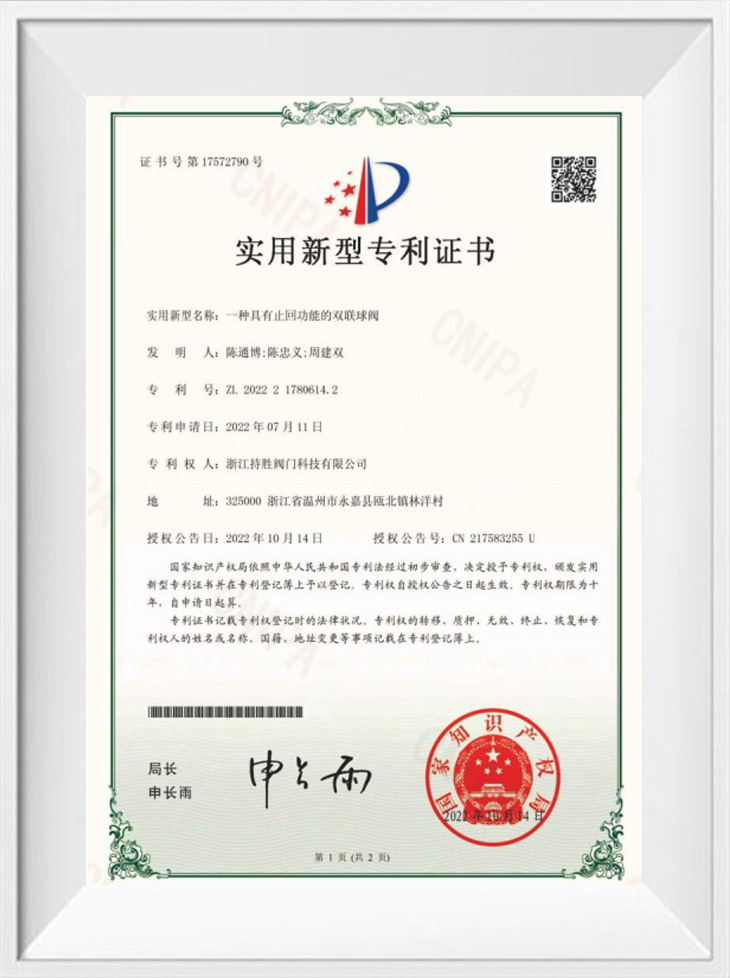
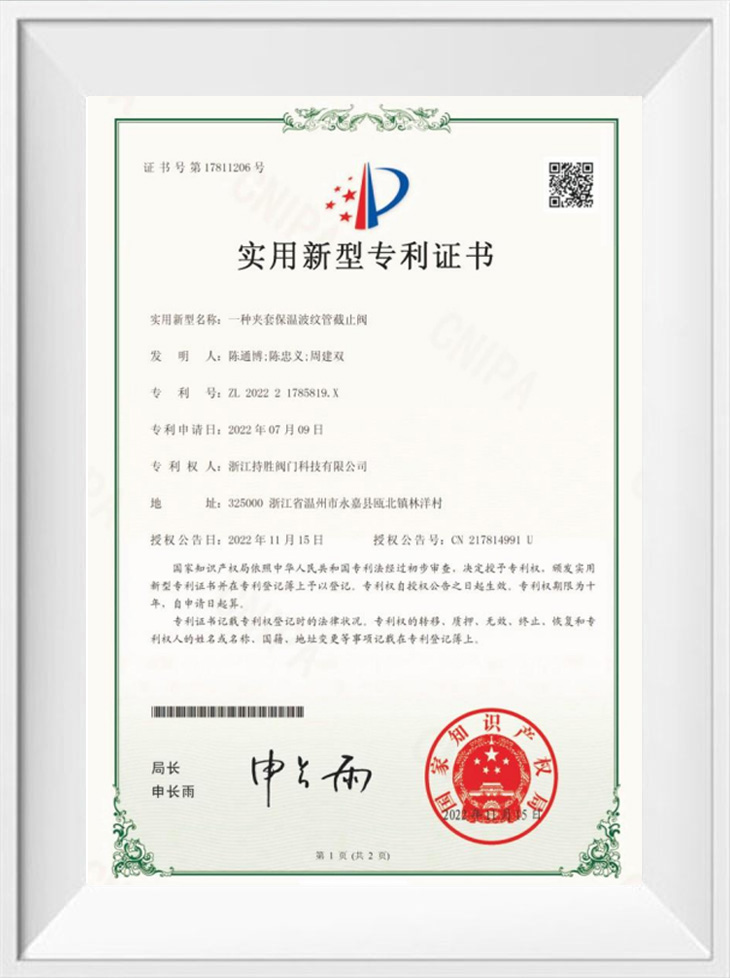
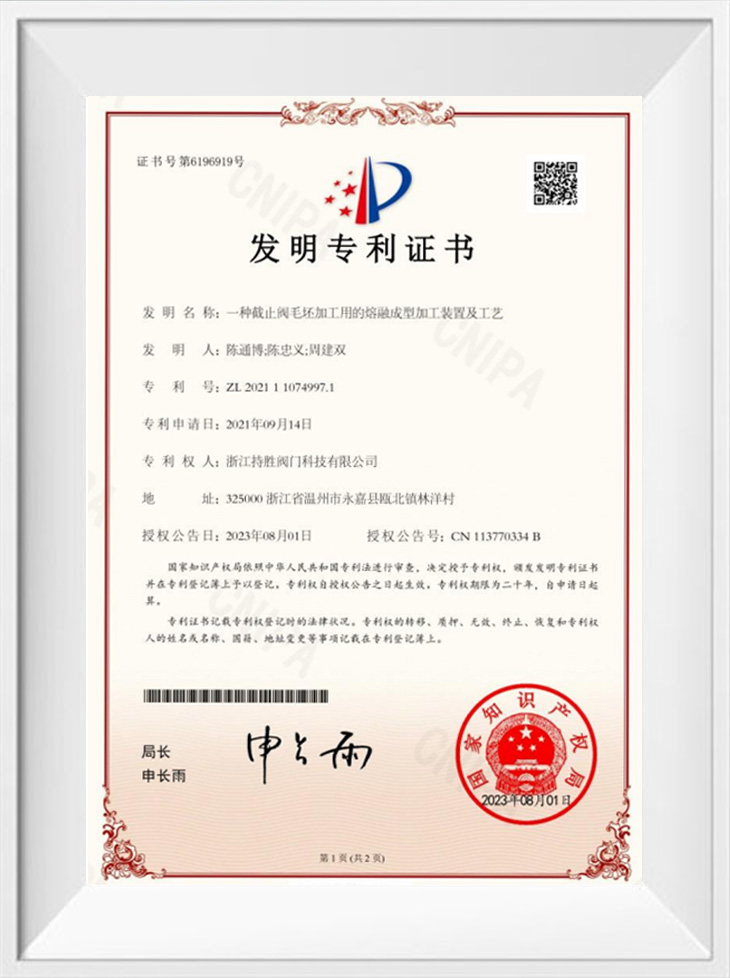
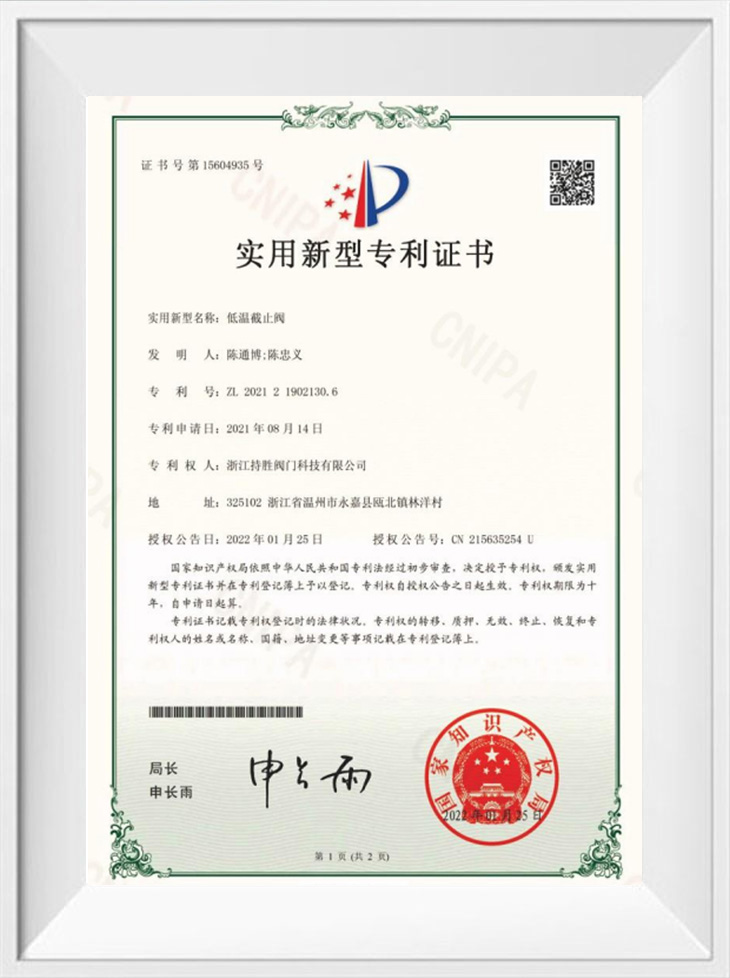
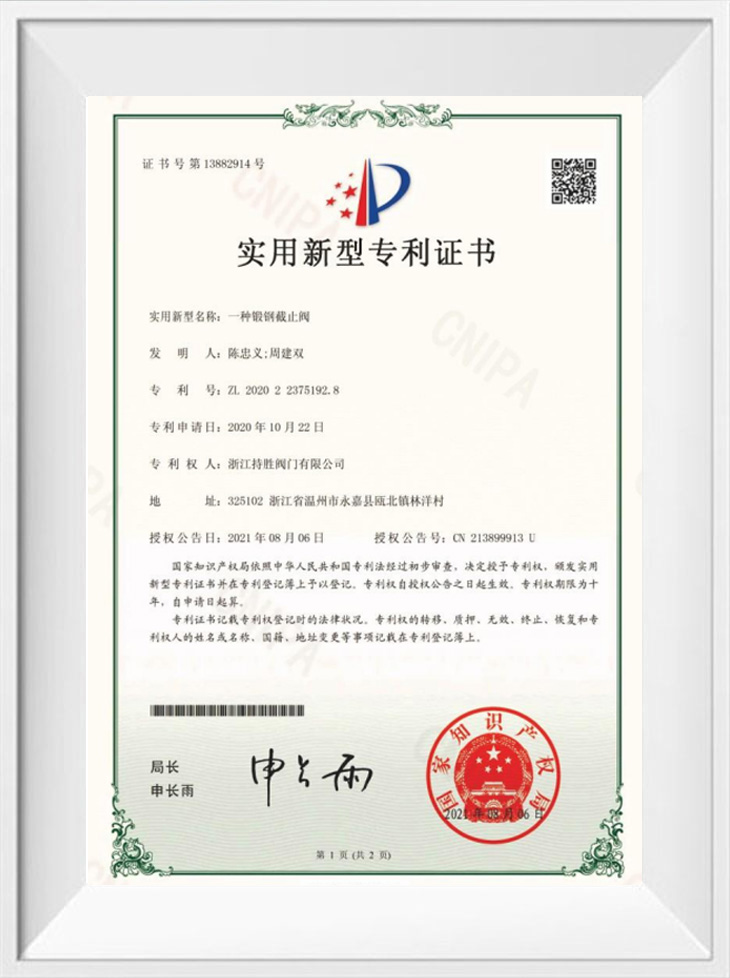
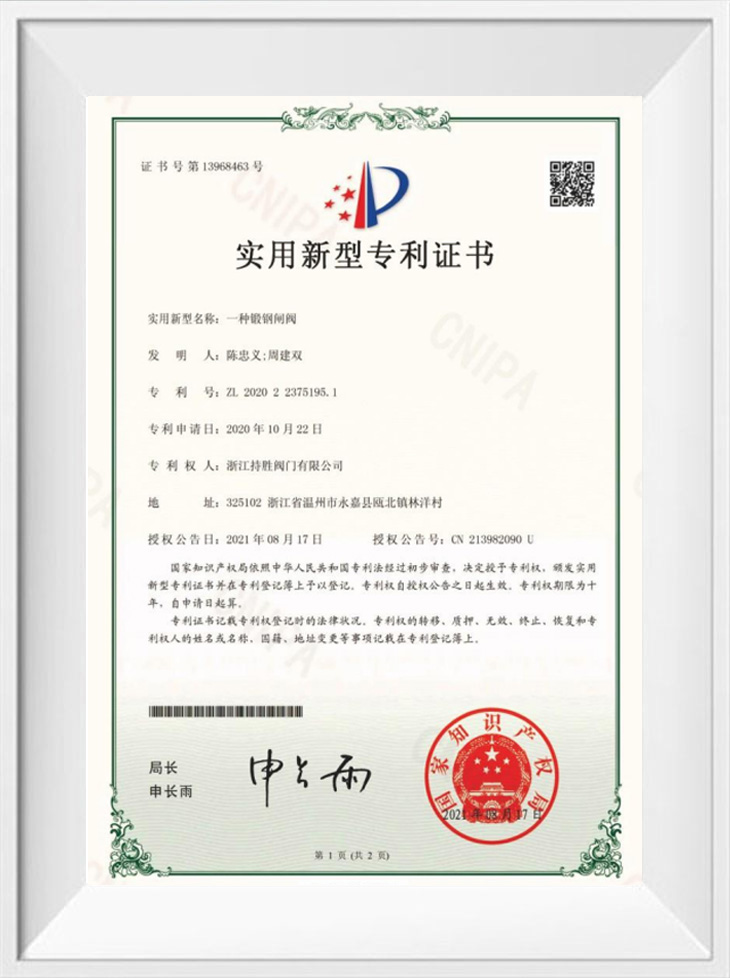
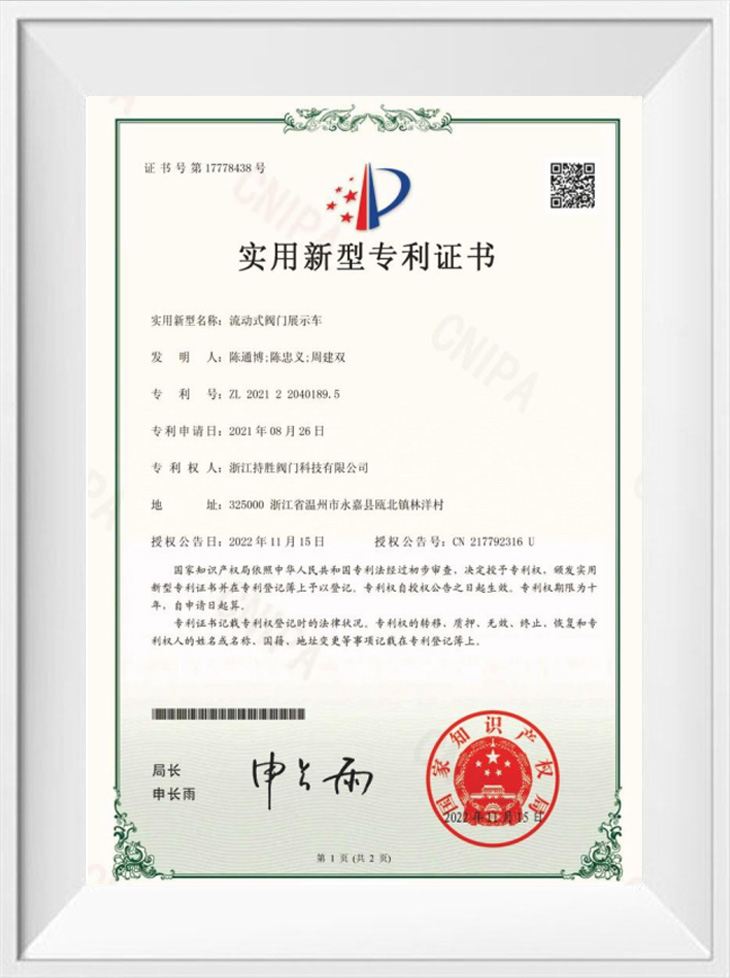
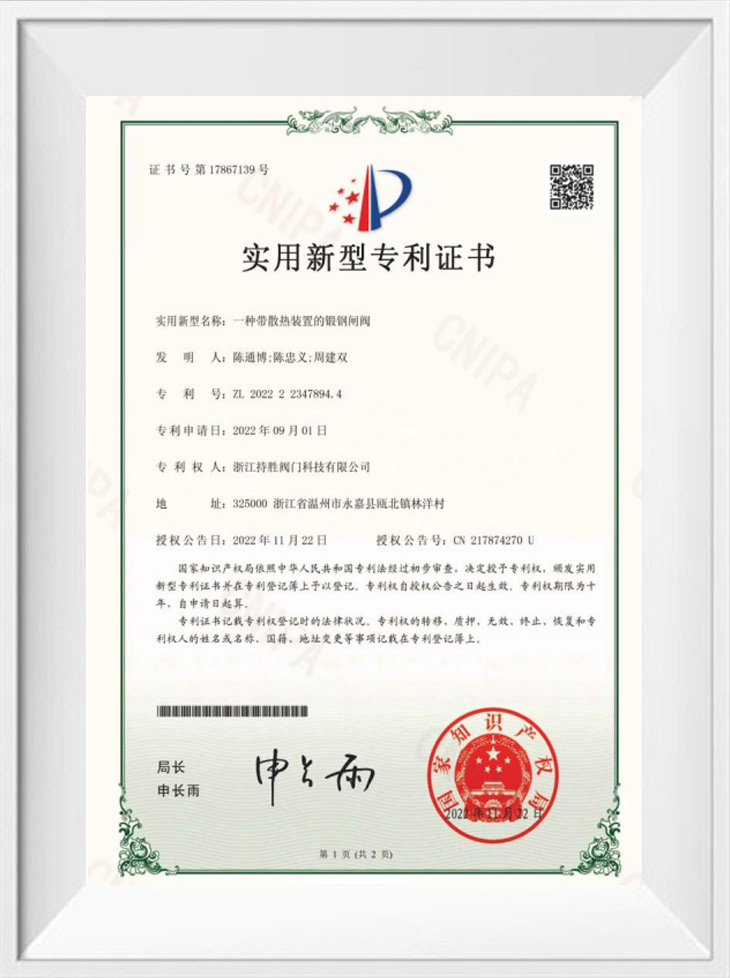
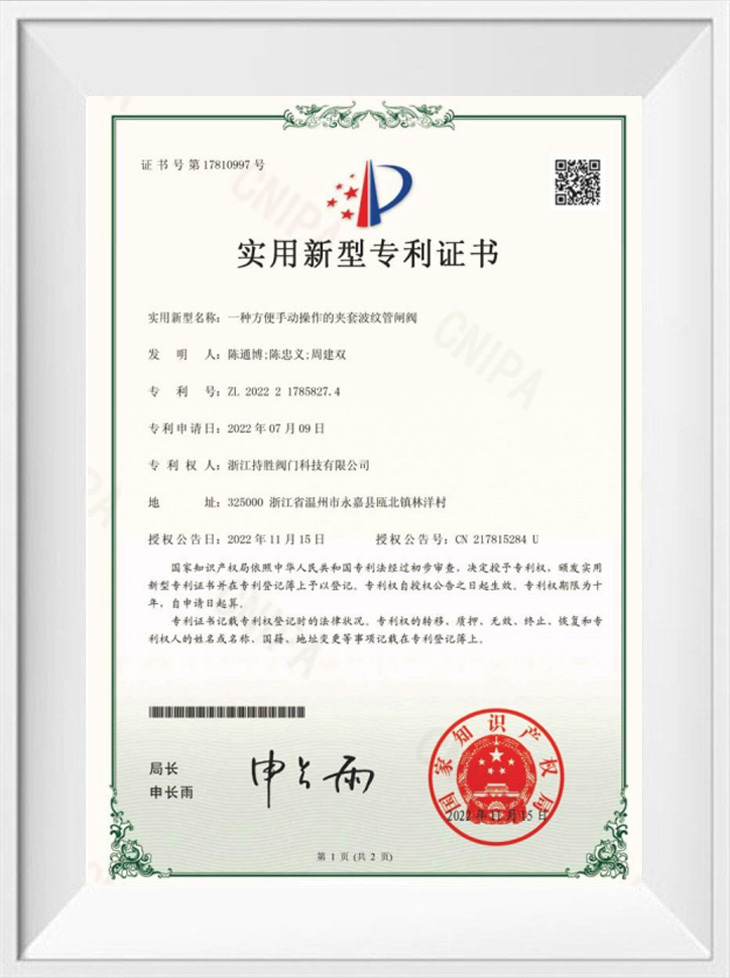
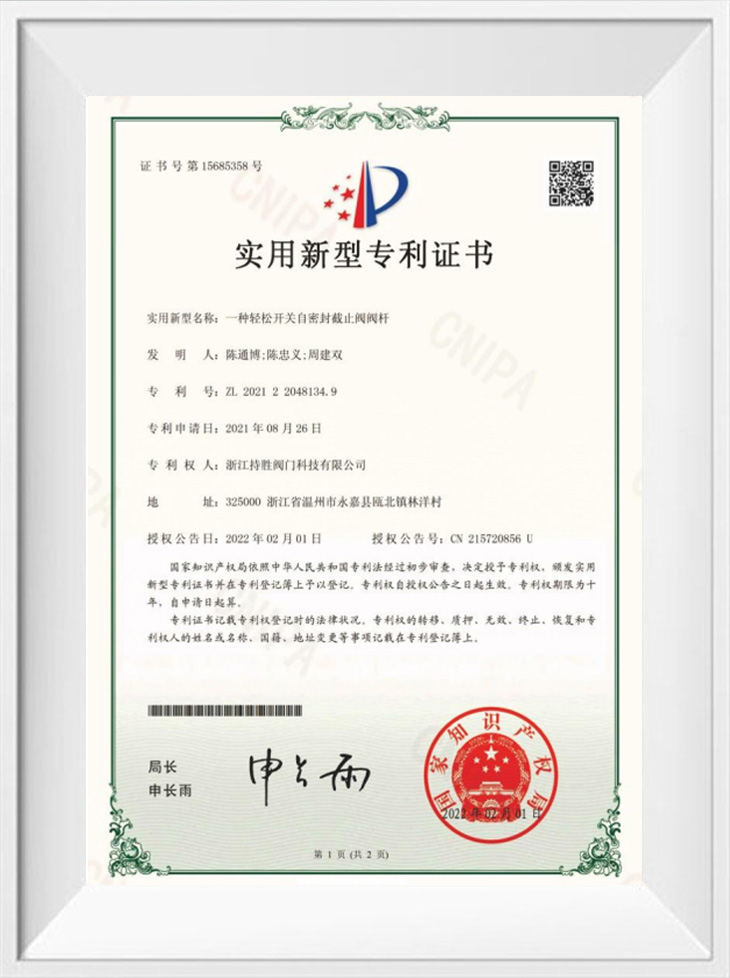
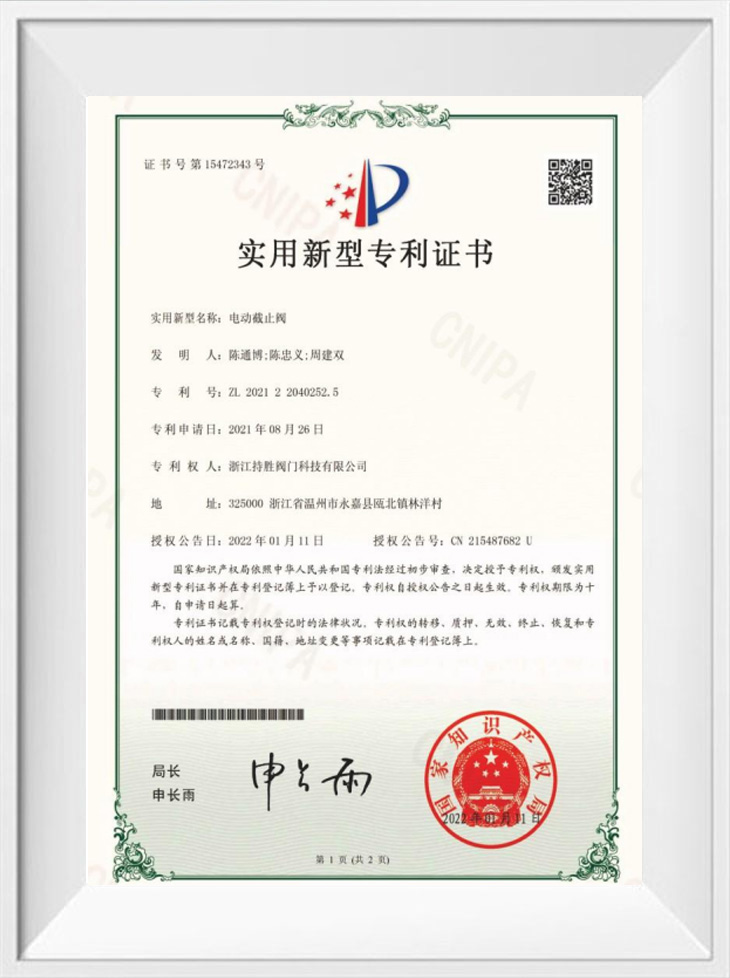
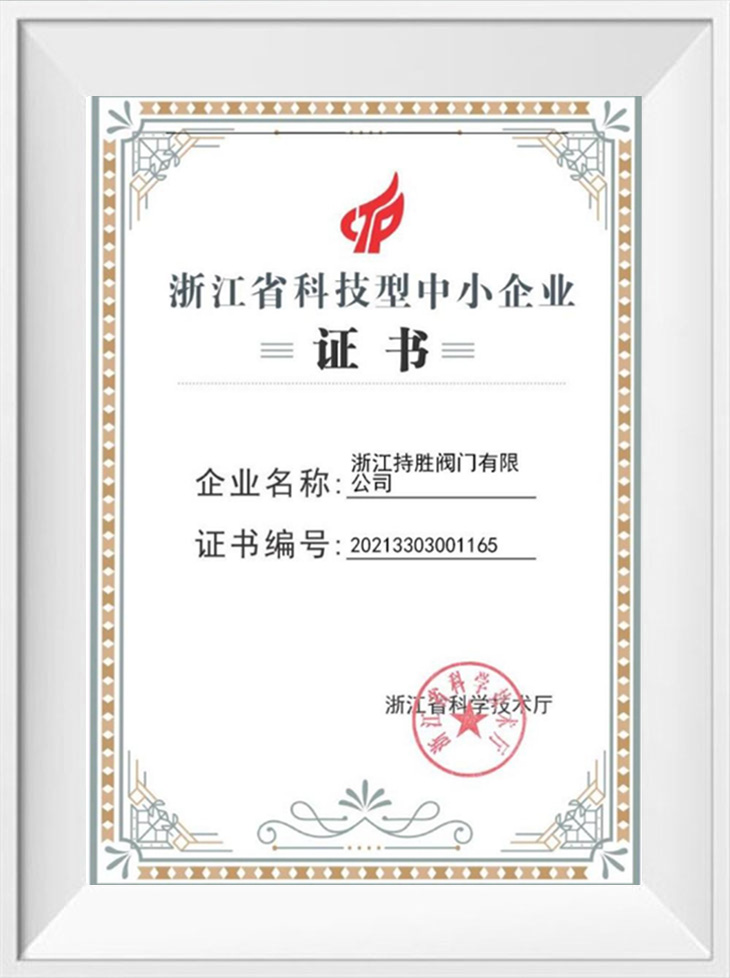
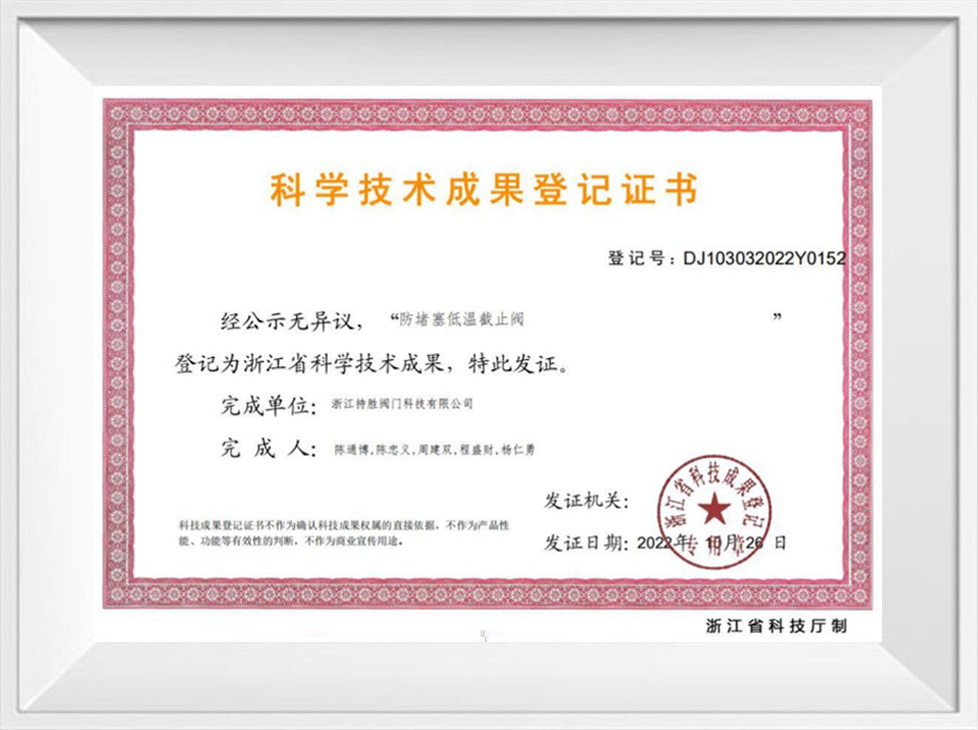
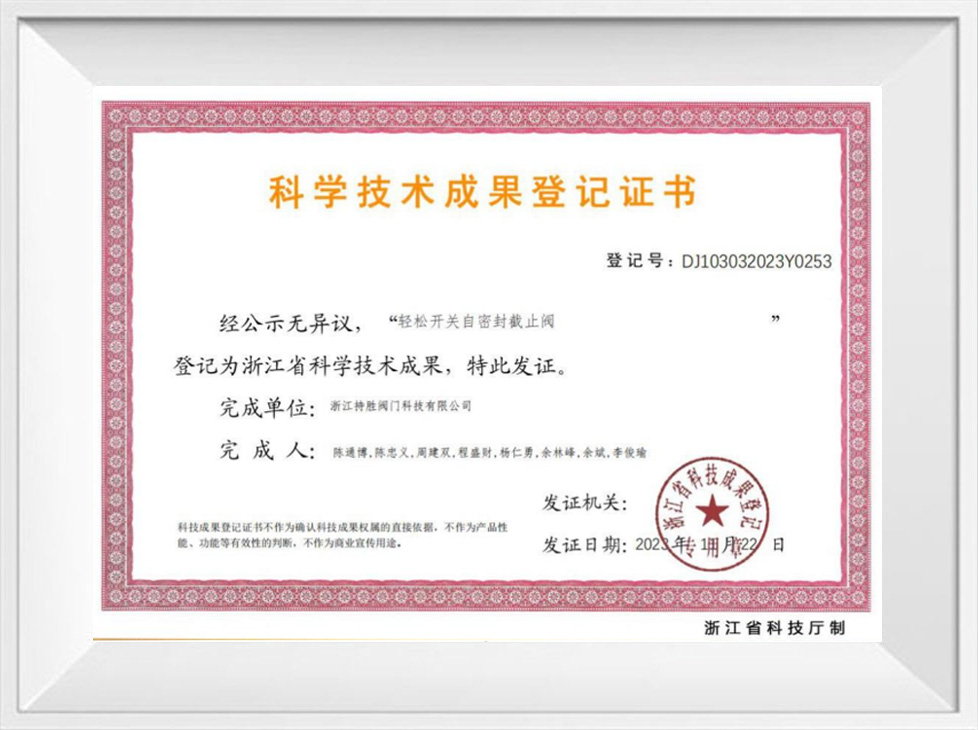
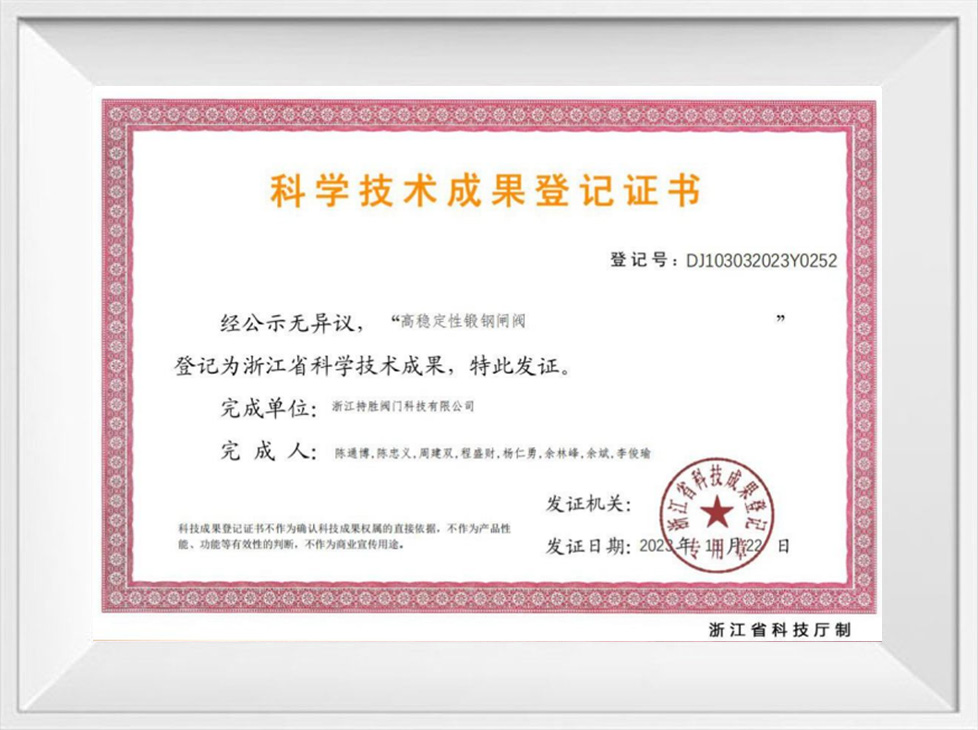
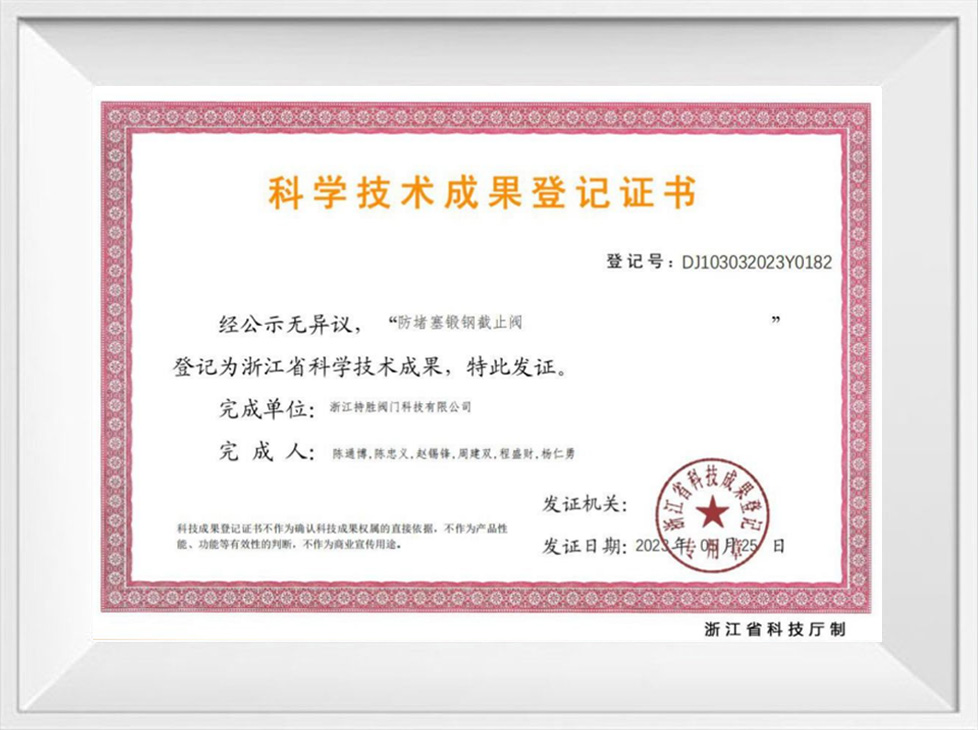
Zhejiang Chisheng Valve Technology Co., Ltd. * Zhejiang Chisheng Valve Technology Co., Ltd. * Zhejiang Chisheng Valve Technology Co., Ltd. * Zhejiang Chisheng Valve Technology Co., Ltd.
 Industry News
  Sep 11, 2026 Industry News Sep 04, 2026 Industry News Aug 28, 2026 Industry News Aug 21, 2026 Industry News Aug 14, 2026 Industry News Aug 07, 2026 Industry News Jun 15, 2026 Industry News Jun 10, 2026 Industry News Jun 08, 2026
 If you go to a lift station you will see that the people who do maintenance have strong feelings about check valves. Some people really like swing check valves. Other people have taken them all out. If you ask them why they feel this way they will tell you stories about getting called to work at 2 in the morning or about water hammer that was so strong it broke pipes or about check valves that got stuck open because something like a rag got in the way. This guide is about the life experiences of choosing, installing and taking care of check valves based on what actually happens in the field not just what the specifications say.
A check valve allows flow in one direction and prevents it from flowing back. No handles, no actuators. It responds entirely to what the pump does.
During a pump cycle:
Why every discharge line needs one:
Skip it, and trouble follows. When the pump cuts off, the water column falls back down. This causes:
Common sewage valve types:
| Type | How It Works | Best Application |
| Swing check | Hinged disc closes by gravity | Clean water; not ideal for sewage |
| Dual plate | Spring-loaded half-discs snap shut | Most pump stations; great surge control |
| Spring-loaded poppet | Spring presses disc against seat | Vertical lines, low-head systems |
| Rubber flapper | Flexible disc with metal backup | Raw sewage with debris; handles solids |
Yes, but only with certain designs. Getting this wrong means the valve never closes properly.
What works vertically:
| Valve Type | Vertical Install? | Why |
| Swing Check Valve | No | Gravity is needed to close; the disc may remain open in a vertical pipe. |
| Dual Plate Check Valve | Yes (Upward Flow) | Springs provide closure force regardless of installation orientation. |
| Spring-Loaded Poppet Check Valve | Yes | The spring mechanism controls closing action without relying on gravity. |
| Rubber Flapper Check Valve | Yes | Designed for both horizontal and vertical pipeline installations. |
The right way to do vertical:
Flow must move upward—inlet at bottom, outlet on top. This lets gravity assist the spring, and sediment falls through rather than packing onto the seat.
Before bolting it in:
Dual plate valves have become the default choice for new lift stations. Here is why.
Surge control:
A swing check can take half a second to close. That gives reverse flow time to accelerate, and the pressure spike can hit 20 bar in larger pipes. Dual plates close much faster—short disc travel with spring assist. Surge usually stays under 2 bar.
Weight and handling:
A 10-inch dual plate weighs about 25 kg. The equivalent swing check is around 180 kg. That difference matters in cramped stations with no overhead crane.
Cost:
Less metal means lower purchase price, cheaper freight, and easier storage.
Where dual plates struggle:
Yes. Springs lose tension, seats wear, and debris finds its way into every moving part.
A practical schedule:
Common failures:
| Issue | Cause | Fix |
| Spring went soft | Years of cycling and heat | Replace spring or entire valve |
| Debris jam | Rags or plastic caught inside | Pull and clean |
| Seat worn | Abrasive solids | Replace seat or disc |
| Valve flutters | Flow too low for valve size | Downsize or choose lighter spring |
Safety rule:
Before opening any valve, shut down the pump, close the isolation valve downstream, and bleed pressure. Sewage piping holds surprising pressure even when off.
Slamming:
Loud thump every time the pump stops. Over time, shock loosens supports and cracks bodies. Fix: swap to fast-closing dual plates or adjust VFD to slow the pump before stopping.
Fluttering:
Rapid tapping sound. Valve never reaches full open because flow is too low. Fix: properly size the valve for actual operating flow, not peak pipe capacity.
Failing to close:
Flow continues backward after pump stops. Debris is usually holding the disc open. Pull and clean. If repeated, switch to rubber flapper with fewer places for debris to catch.
Failing to open:
Pump runs but flow is weak. Broken spring or heavy sludge jamming the mechanism. Cycle the pump a few times; if that fails, pull for service.
Quick Selection Reference
| Your Condition | Valve to Consider |
| Raw sewage with rags and solids | Rubber flapper |
| Clean effluent, steady flow | Dual plate wafer |
| Vertical piping | Dual plate or spring-loaded |
| Frequent starts and stops | Dual plate |
| Consistently low flow | Swing check or light-spring poppet |

We are a professional manufacturer of industrial valves,
specializing in gate valves, globe valves, check valves, ball valves,
and custom-engineered valve solutions.
+86-13057728556
+86-13857082222
csvalvetech@gmail.com
1st Floor, Building J, Zhuao Canaan Secondary Industrial Park, Yongjia County, Wenzhou City, Zhejiang, China
Let's Work Together

 English
 中文简体
中文简体
 русский
 Español