Zhejiang Chisheng Valve Technology Co., Ltd. * Zhejiang Chisheng Valve Technology Co., Ltd. * Zhejiang Chisheng Valve Technology Co., Ltd. * Zhejiang Chisheng Valve Technology Co., Ltd.
A valve quotation may meet the required nominal size, pressure class, and material grade, yet still create installation problems because of flange dimensional differences. Bolt-hole positions, flange facing, gasket dimensions, and face-to-face length all affect whether a valve fits the intended piping system. At Chisheng, we recommend treating flange verification as part of the technical procurement process rather than leaving it until delivery or installation.
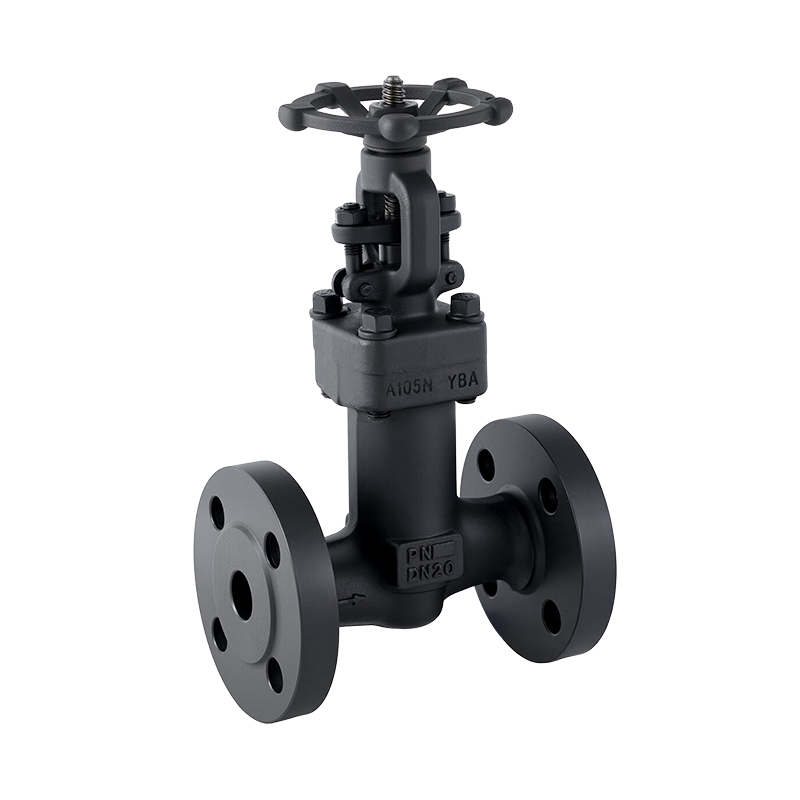
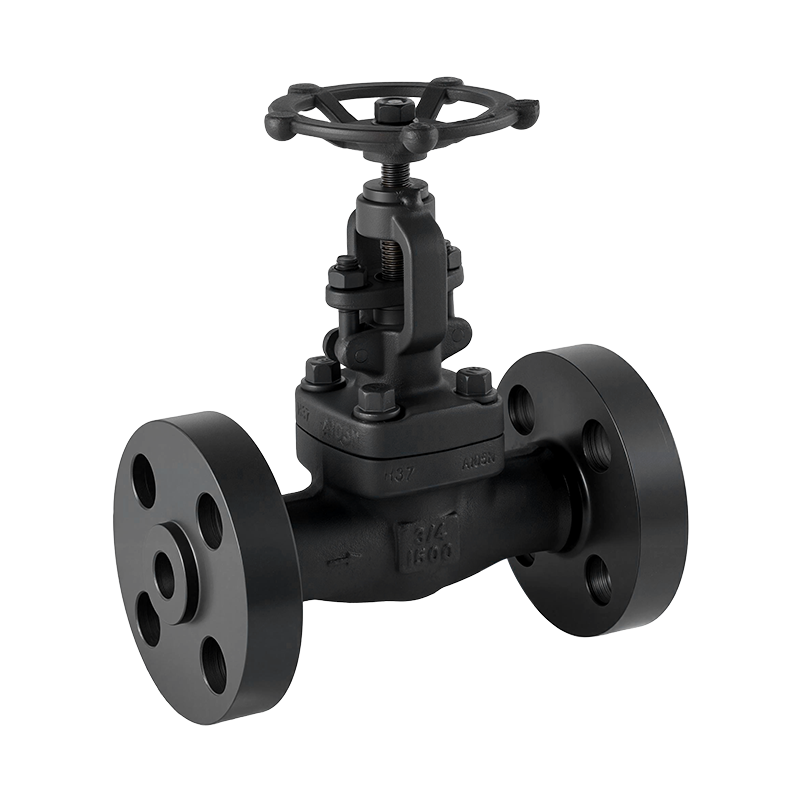
A Forged Steel Flanged Globe Valve must match both the operating requirements and the connecting pipeline. Forged steel construction addresses the valve body's material and manufacturing requirements, while flange specifications define important details of the piping interface. Buyers should review these elements separately to avoid overlooking compatibility issues during RFQ evaluation.

Flange dimensions should be verified against the standard specified in the project documents. ASME B16.5 covers pipe flange dimensions, pressure-temperature ratings, materials, tolerances, marking, and testing within its stated scope. Other standards may apply to different sizes or piping systems.
At Chisheng, we encourage buyers to identify the governing standard explicitly. A general request for an ASME-compatible flange may not resolve every detail needed for a particular installation.
Flange facing determines the sealing interface between connected components. Even compatible outside dimensions cannot compensate for an incorrect facing or gasket arrangement.
ASME B16.5 addresses flange-facing dimensions and related requirements. The RFQ should identify the required facing rather than assuming that all flanges within a pressure class use an identical sealing surface.
Bolt-hole alignment is a practical installation concern. Differences in bolt-circle diameter, hole count, or hole diameter may prevent the valve from matching the existing piping flange.
Our technical review should cover these points:
These dimensions should be checked as a complete set. Matching only the flange outside diameter does not establish compatibility, particularly when different pressure classes or connection standards are involved.
Face-to-face length is particularly important in replacement projects. A valve with different end-to-end dimensions may require piping modifications, additional fittings, or changes to the installation layout.
For replacement procurement, we recommend providing the existing valve's nameplate information, drawings, or verified measurements. This allows Chisheng to review the intended connection and installation requirements before a configuration is finalized.
Flange dimensions are only part of the engineering review. The valve must also satisfy the pressure and temperature conditions of the pipeline. A pressure class designation should be evaluated alongside the specified material and applicable pressure-temperature ratings.
For forged steel valves, buyers may encounter material specifications such as ASTM A105 for carbon steel forgings, subject to the product design and service requirements. This designation should not be treated as a substitute for verifying the valve's complete design specification.
ASME B16.34 may be relevant to valve design and pressure-temperature ratings, while the applicable flange standard governs the specified flange interface. The exact requirements should be established from the project's approved specification.
Before issuing a purchase order, Chisheng recommends checking that the RFQ includes the following information:
Providing these details helps our team review the requested configuration and clarify discrepancies before production or order approval. It also gives procurement and engineering teams a shared basis for comparing quotations.
Flange dimensions can become an overlooked procurement risk because several independent details determine whether a valve fits the piping system. Facing type, bolt-hole geometry, pressure class, and face-to-face length all deserve explicit verification.
At Chisheng, we encourage buyers to include flange standards and dimensional requirements in the initial inquiry. By reviewing these details alongside material specifications and operating conditions, we can clarify the required configuration and help project teams make informed valve procurement decisions before installation begins.

We are a professional manufacturer of industrial valves,
specializing in gate valves, globe valves, check valves, ball valves,
and custom-engineered valve solutions.
+86-13057728556
+86-13857082222
csvalvetech@gmail.com
1st Floor, Building J, Zhuao Canaan Secondary Industrial Park, Yongjia County, Wenzhou City, Zhejiang, China
Let's Work Together

 English
 中文简体
 русский
 Español