Zhejiang Chisheng Valve Technology Co., Ltd. * Zhejiang Chisheng Valve Technology Co., Ltd. * Zhejiang Chisheng Valve Technology Co., Ltd. * Zhejiang Chisheng Valve Technology Co., Ltd.
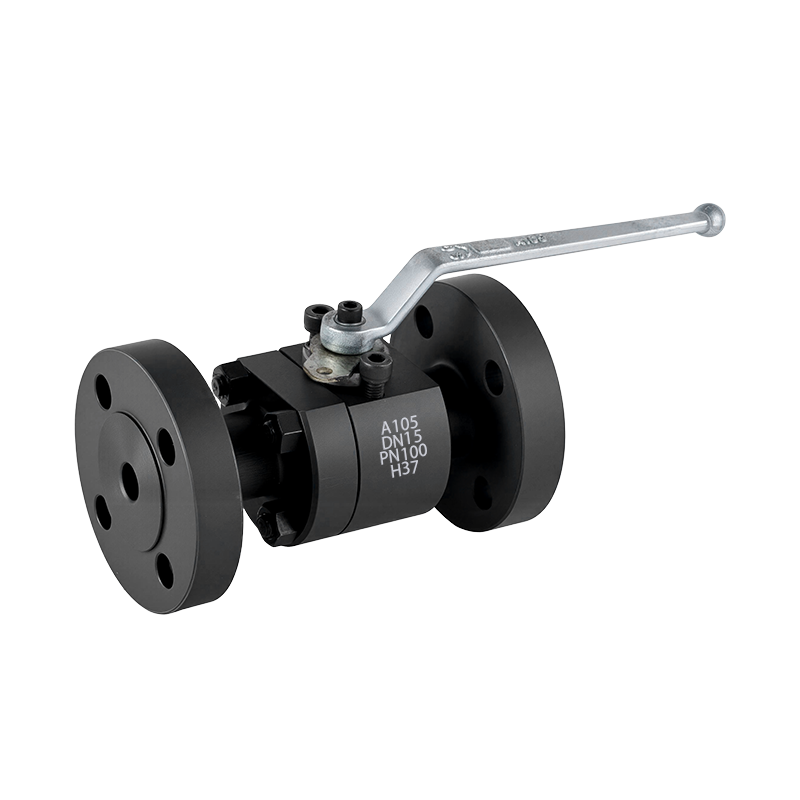
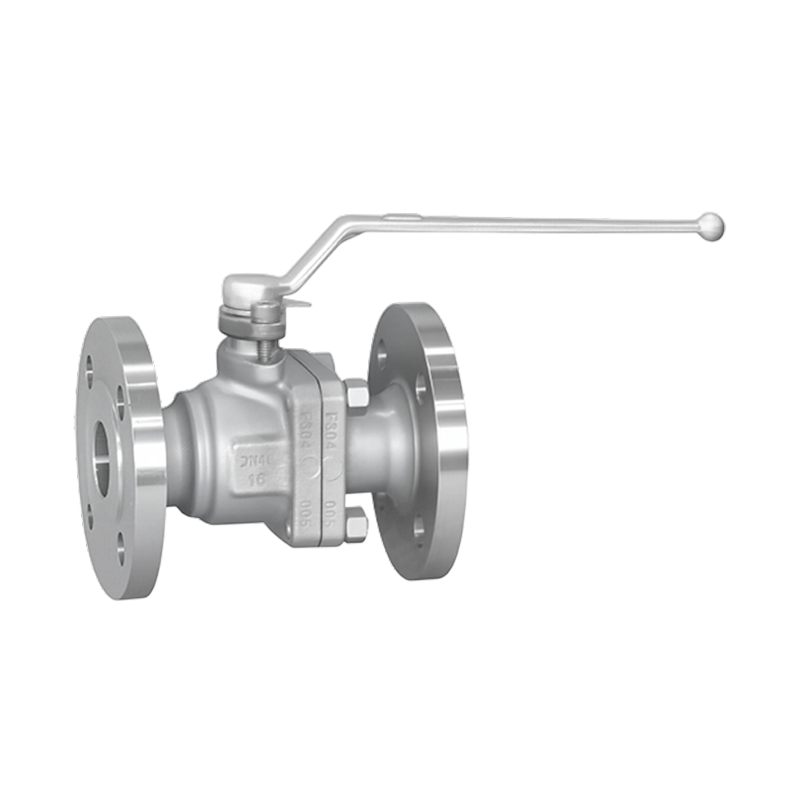
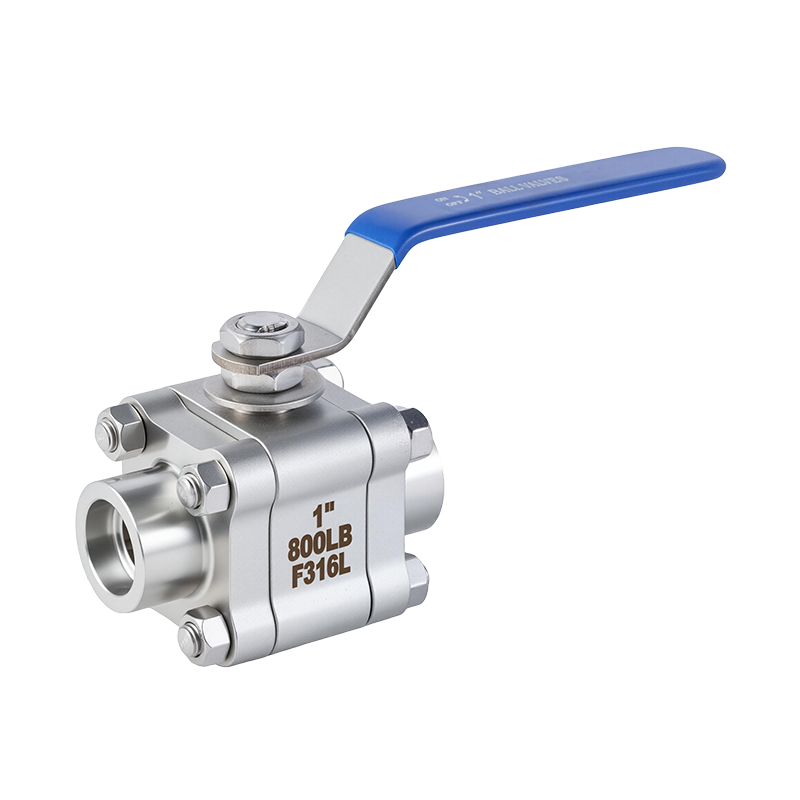
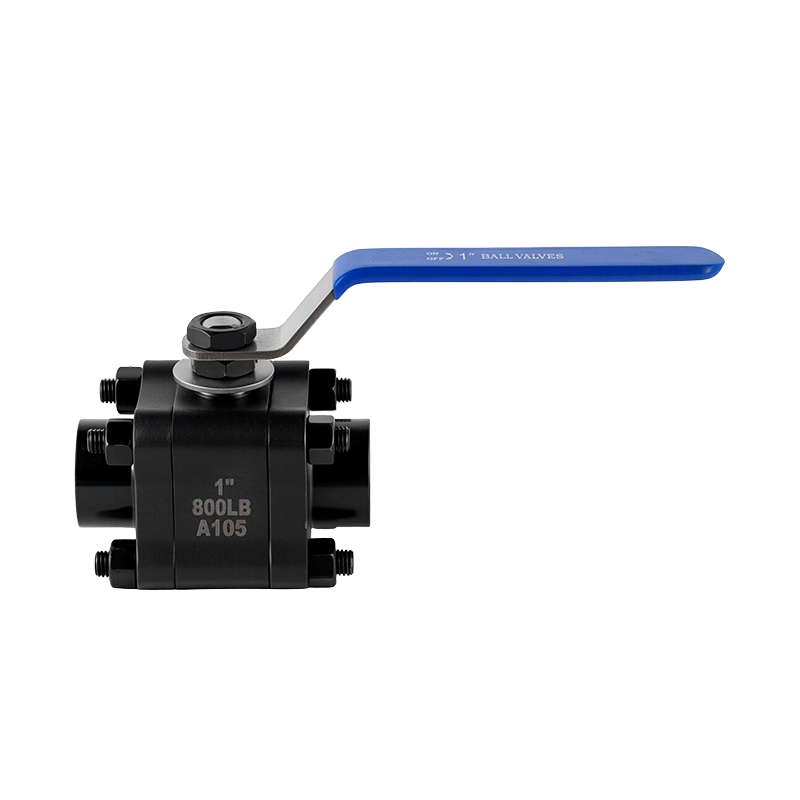
Ball valves operate fast, turn easily, have low flow resistance, and seal reliably. They resist wear and corrosion well. They handle liquids, gases, viscous media, and even some fluids with particles. Common uses include gas, oil, chemical processing, food and beverage, pharmaceutical, and water supply systems. They are also a preferred choice for flammable or explosive media.
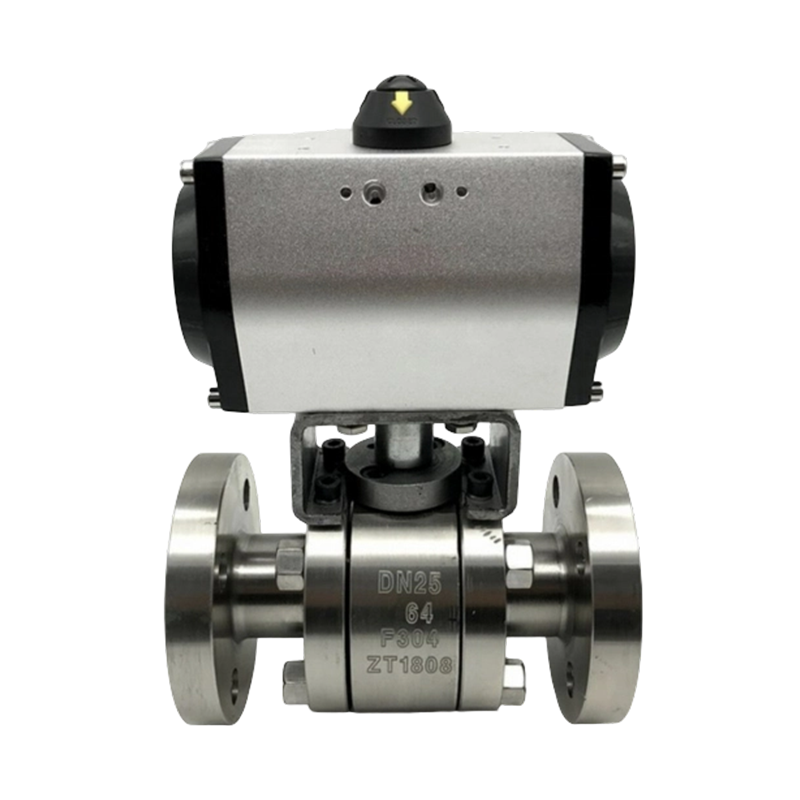
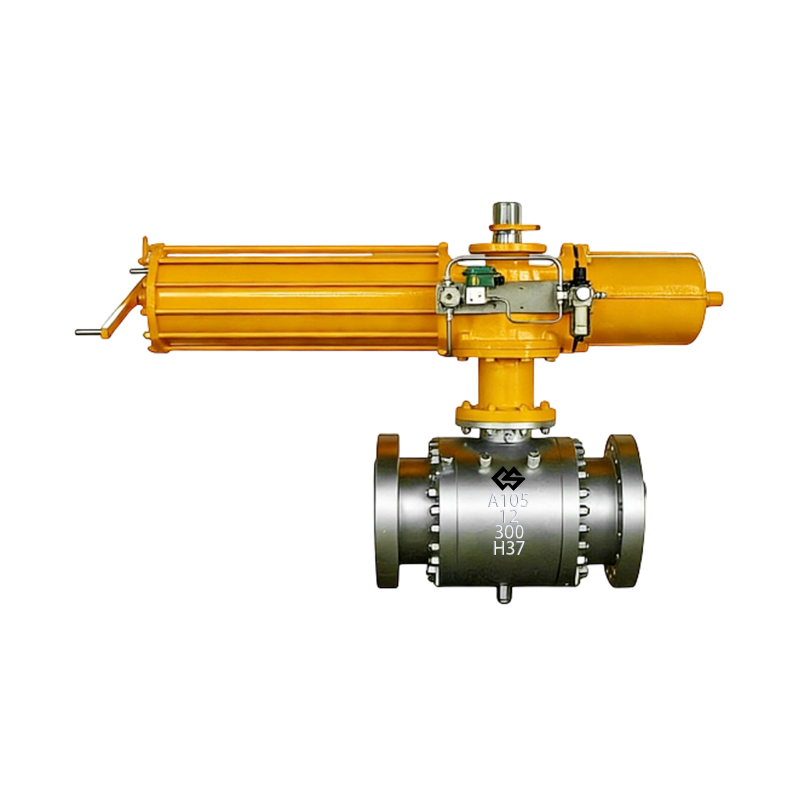
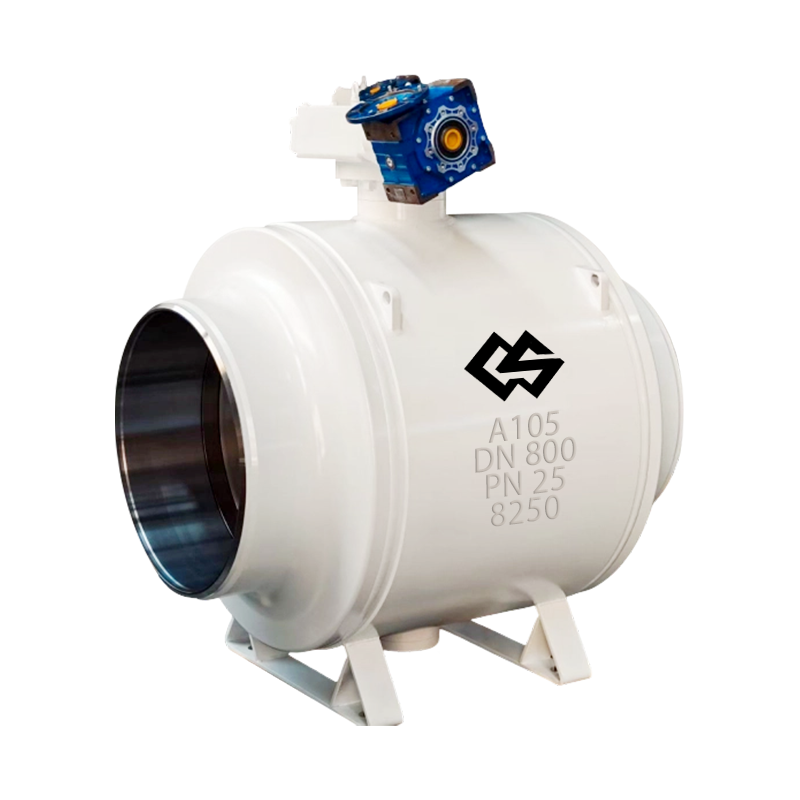
This category includes two-piece, three-piece, floating ball, and trunnion-mounted ball valves. A wide range of sizes and materials is available. Different connection types, seat materials, and actuators can be selected. These valves suit high-pressure, low-pressure, corrosive fluids, and other demanding conditions. They work in industrial pipelines and fluid transfer equipment.
Application Scenarios
Suitable for natural gas, petrochemical, oil, and gas storage and transport, refinery units, flammable media, and viscous fluids. With the right body and seat materials, they handle acids, alkalis, low temperatures, and fluids with slight particles. Also used in HVAC circulation, water treatment, food and pharmaceutical lines, and general industrial fluid transfer.
Reasons to Purchase
Fast opening and closing, strong sealing, and low flow resistance. Works in most regular and tough conditions. Seat materials can be selected based on temperature, pressure, and media type. Available in carbon steel, stainless steel, brass, and alloy steel – covering light-duty and heavy industrial applications. Connections: flange, thread, weld. Standards: DIN, ANSI, JIS, BS, GB. High-pressure testing, air-tight testing, seal inspection, and detailed visual checks can be done before shipment per customer request.
Size Range
Standard sizes in stock. Special sizes can be customized based on actual operating conditions.
Zhejiang Chisheng Valve Technology Co., Ltd. * Zhejiang Chisheng Valve Technology Co., Ltd. * Zhejiang Chisheng Valve Technology Co., Ltd. * Zhejiang Chisheng Valve Technology Co., Ltd.
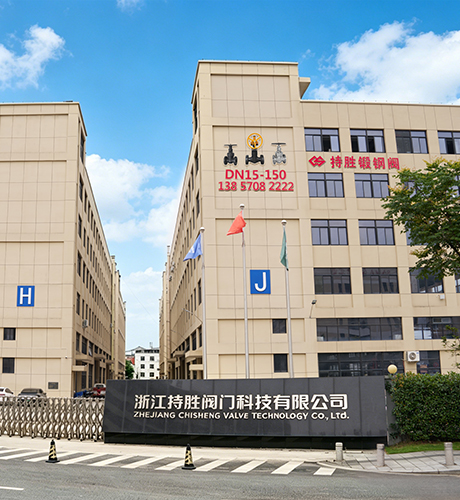

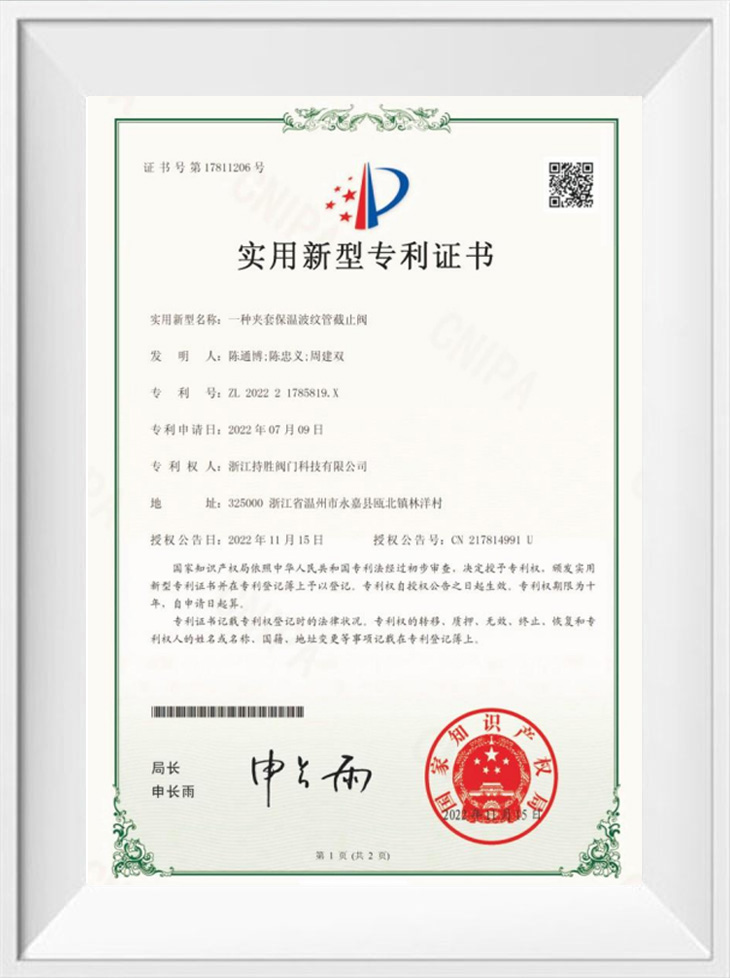
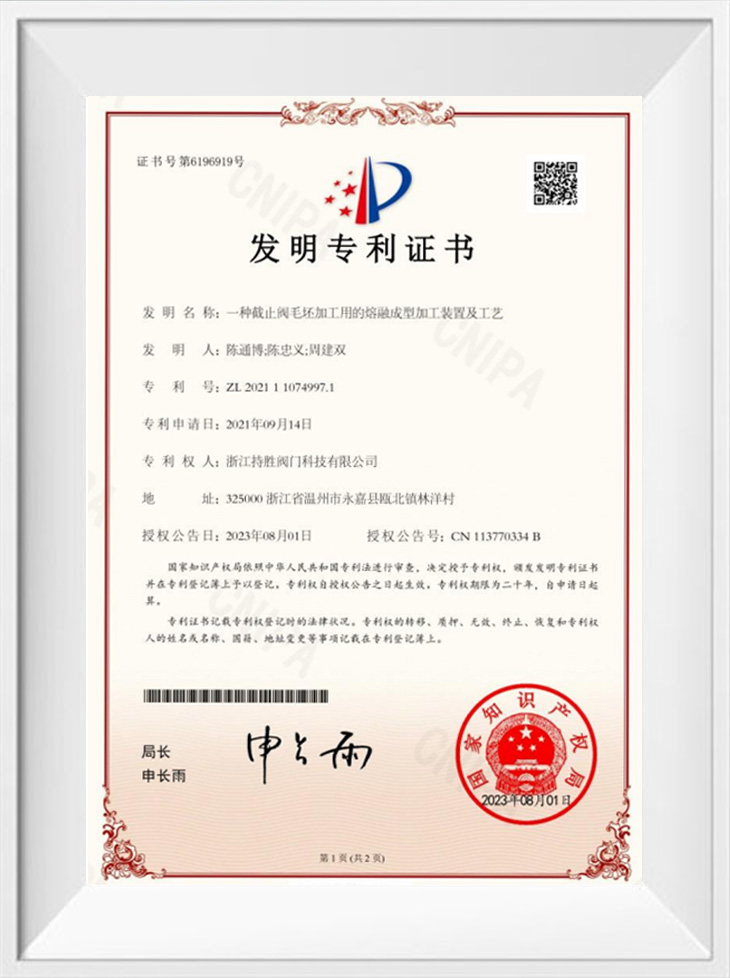
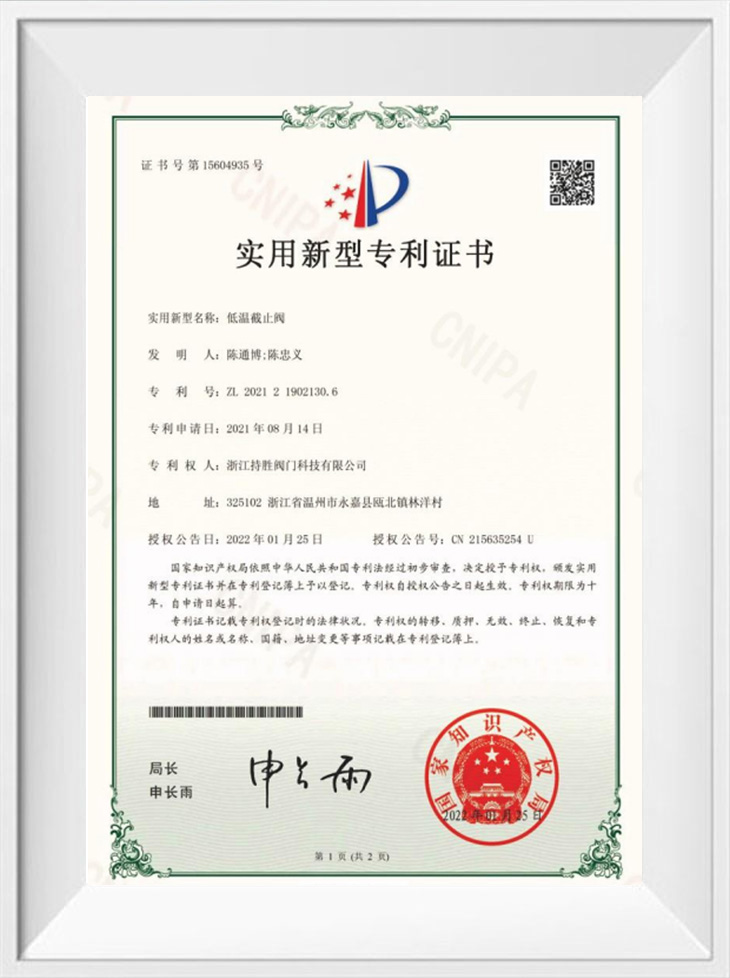
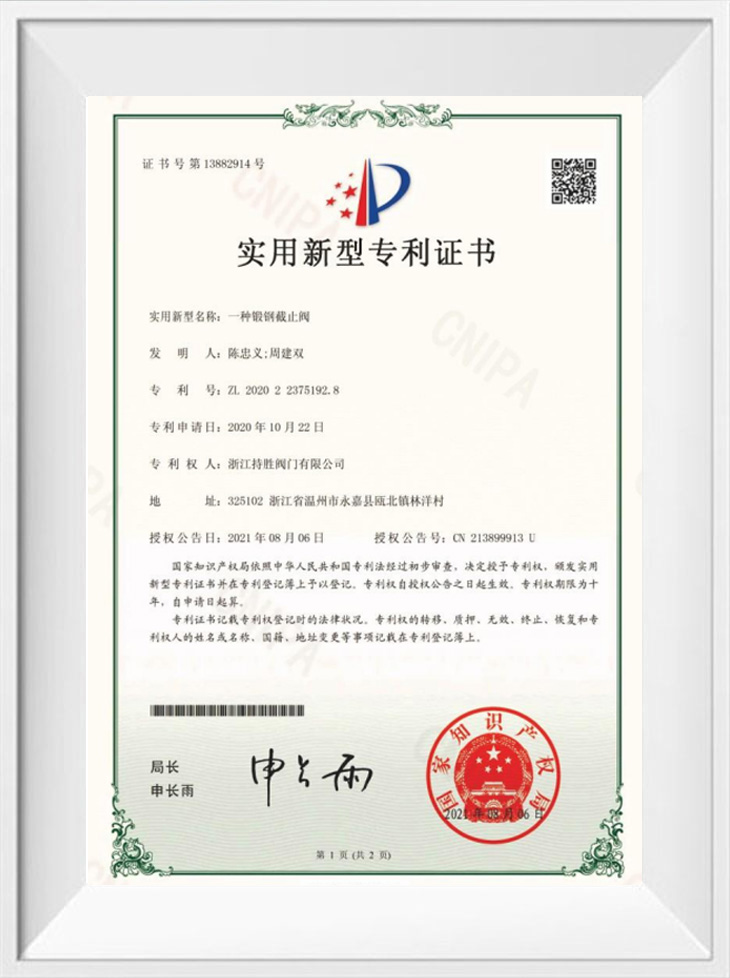
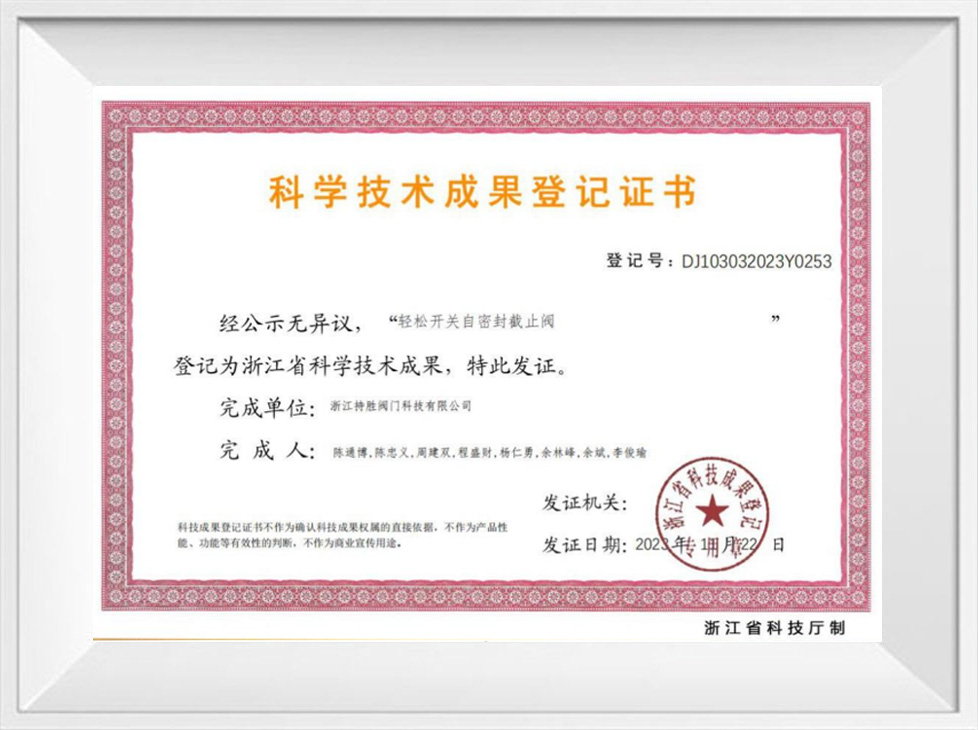
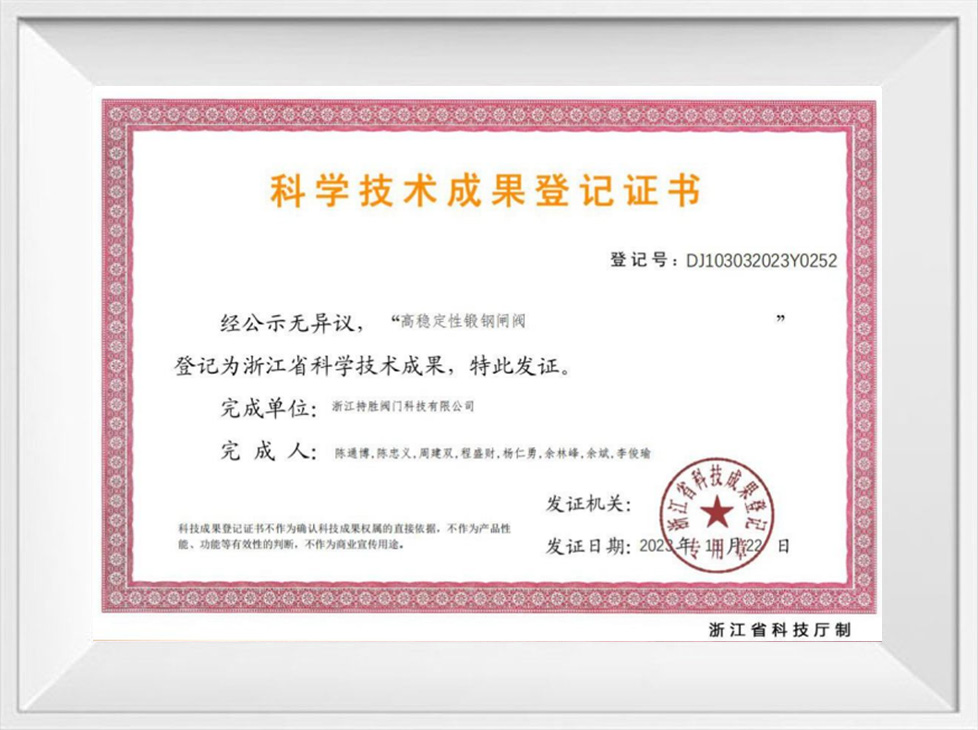
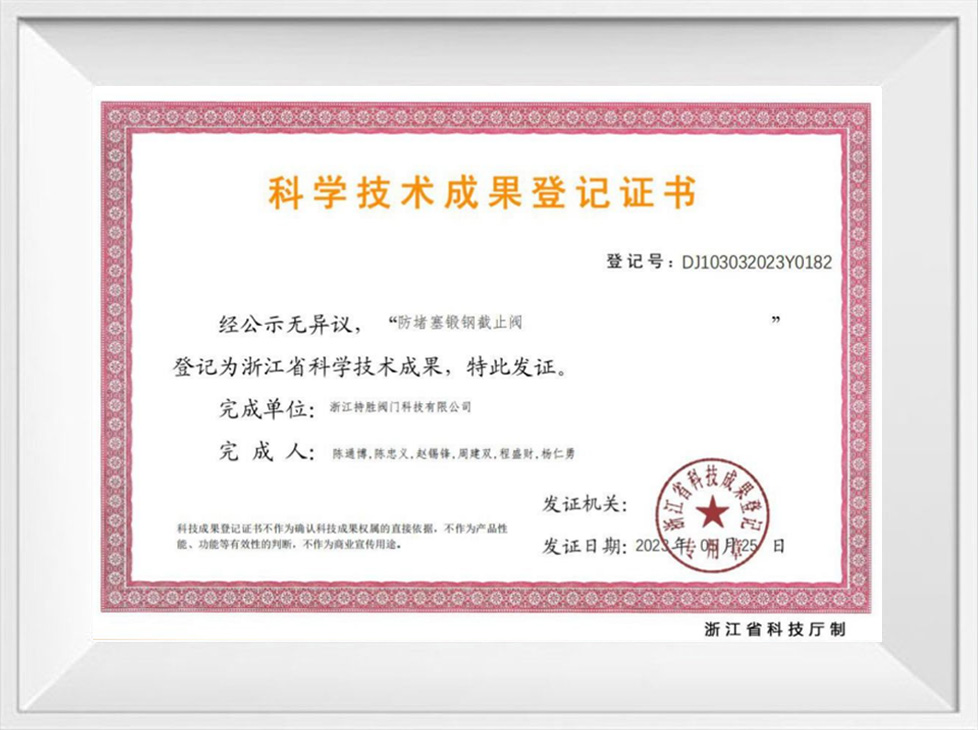
Zhejiang Chisheng Valve Technology Co., Ltd. is located in Oubei, Wenzhou, the famous "Hometown of Pumps & Valves in China". We are a professional manufacturer integrated with R&D, production and sales, specializing in forged steel ball valves, as well as various forged steel gate valves, globe valves, check valves, cryogenic valves, vent & drain valves, integral flange forged steel valves and self-sealing forged steel valves.
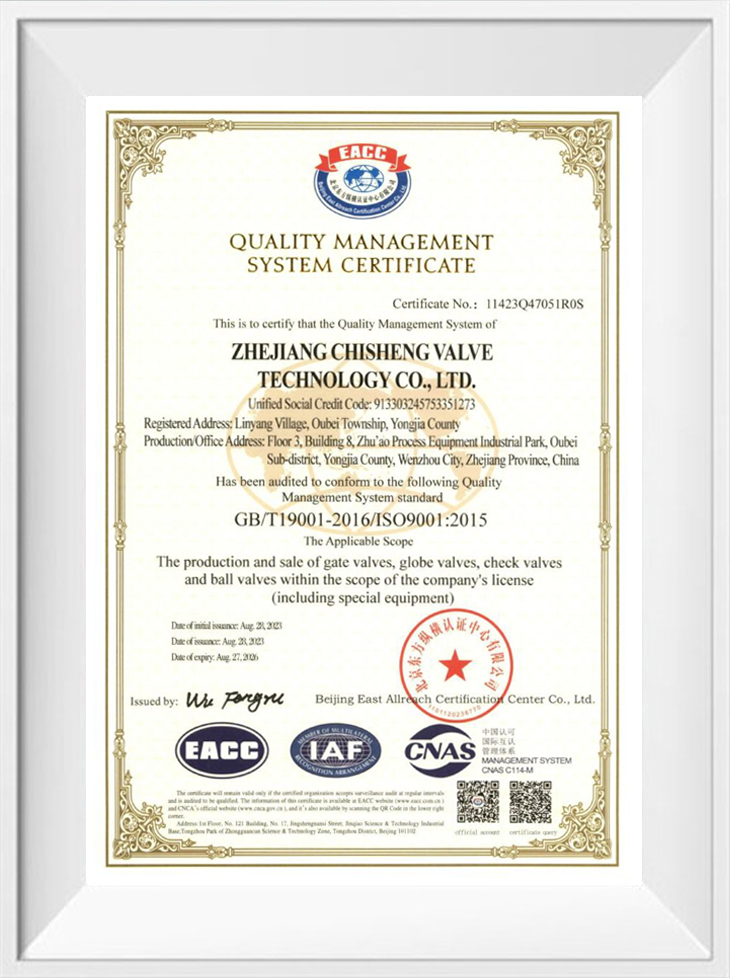
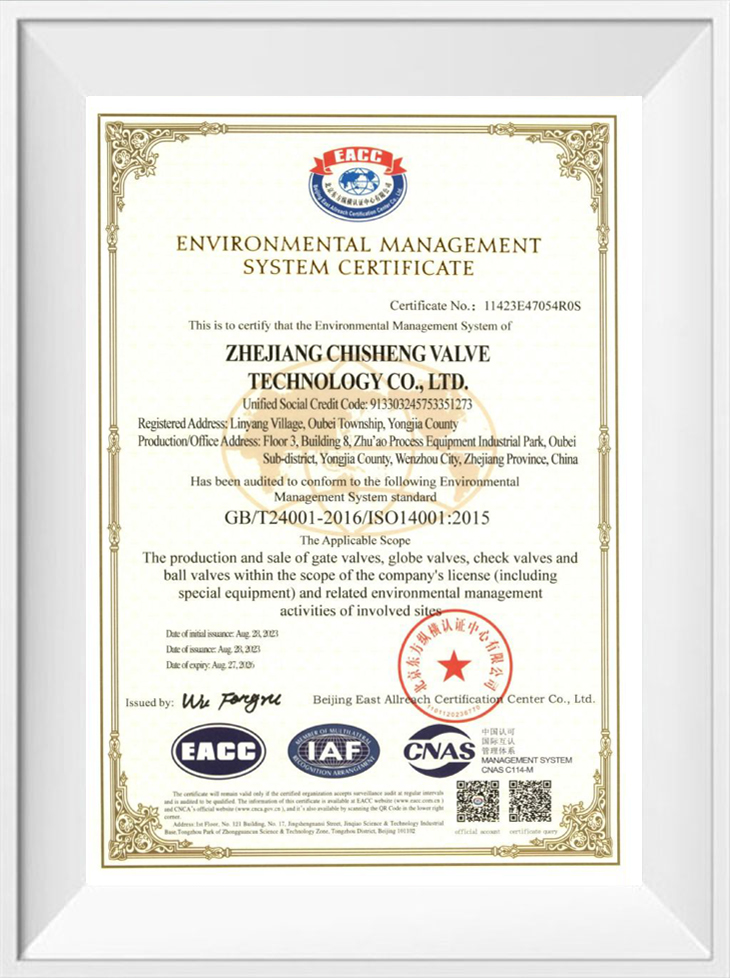
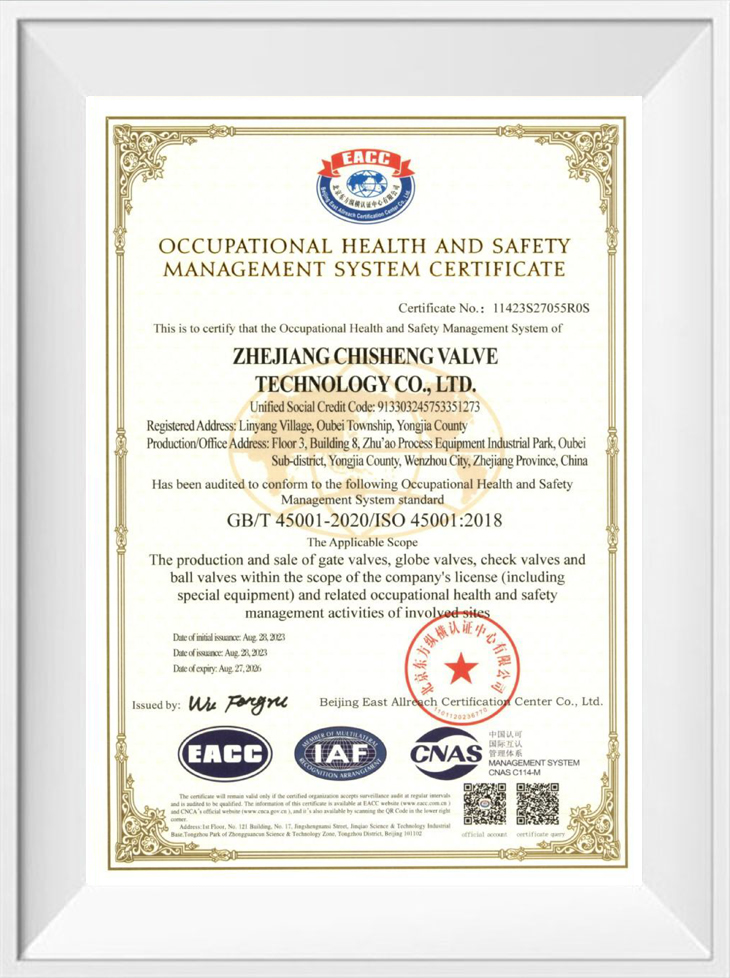
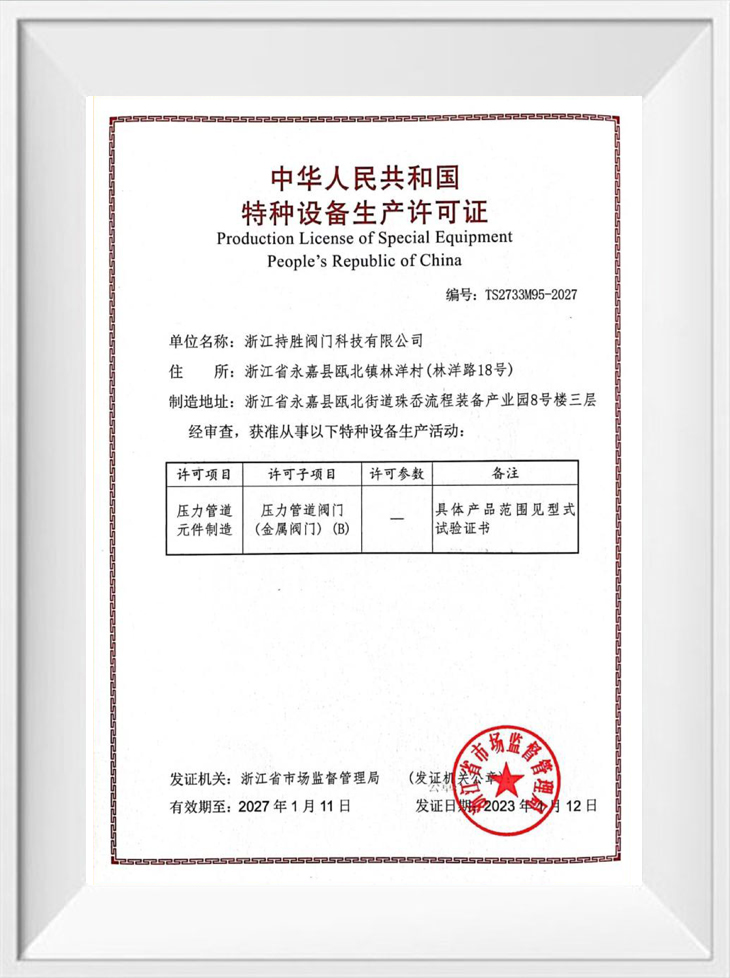
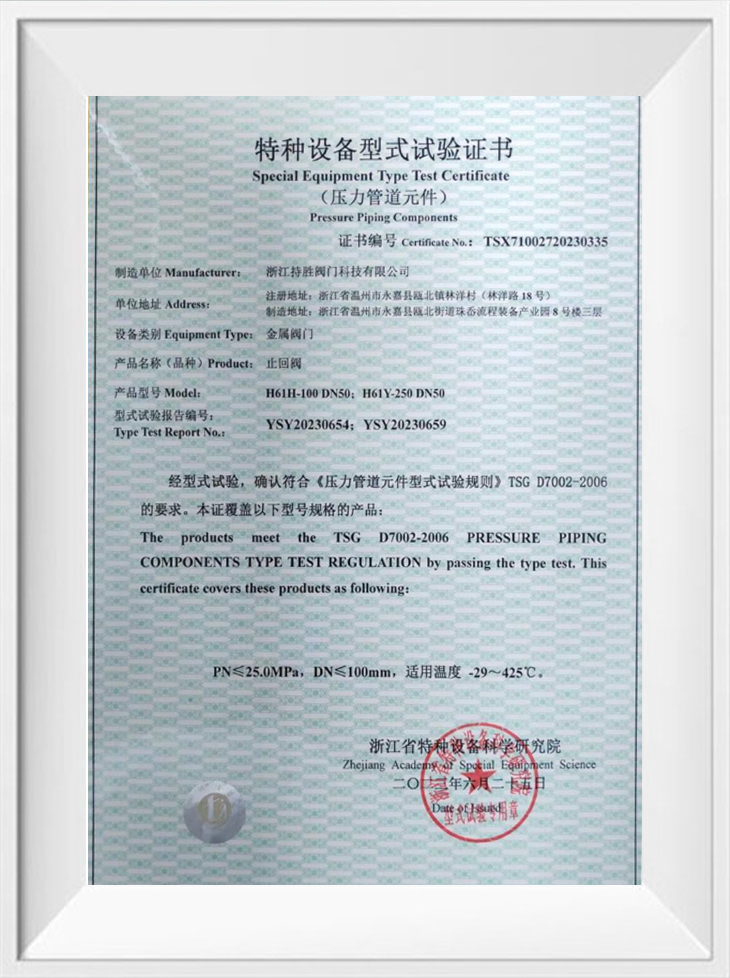
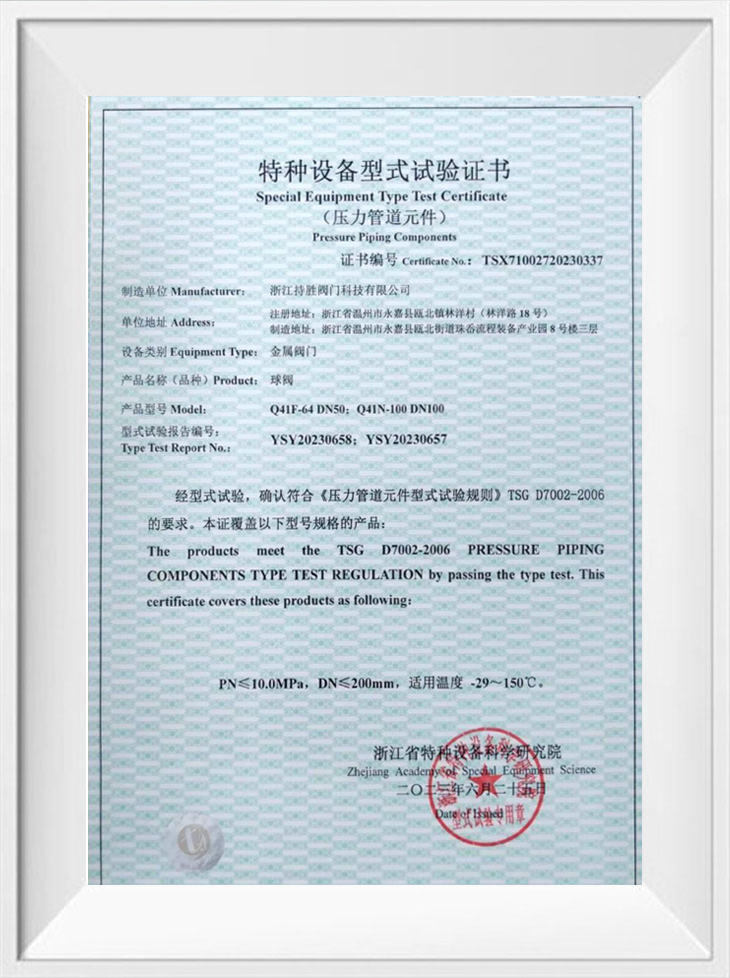
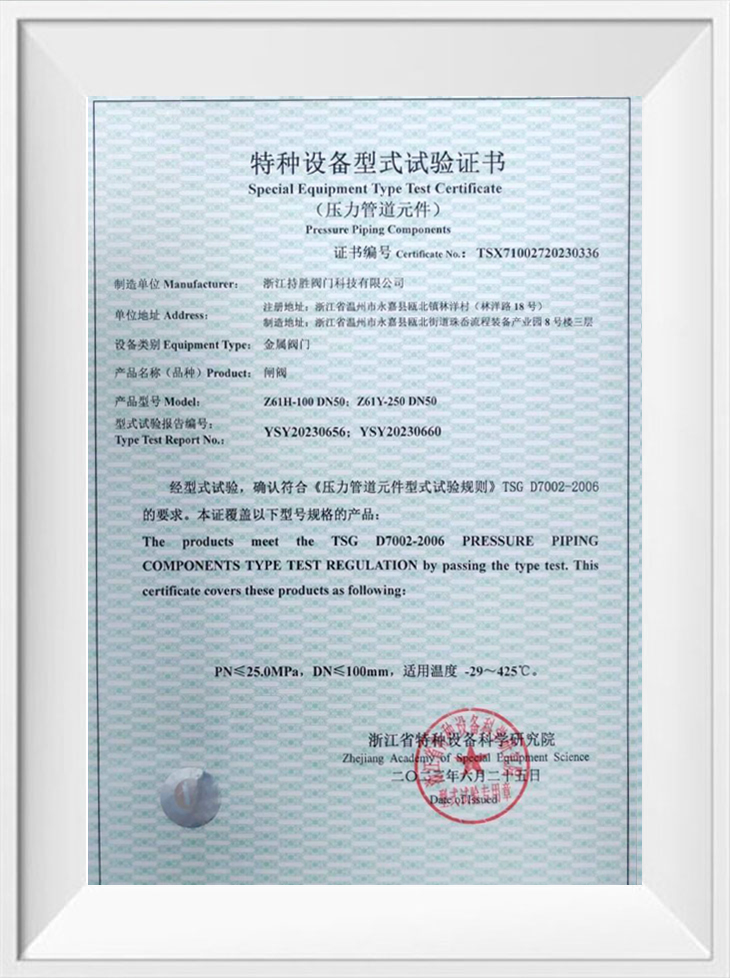
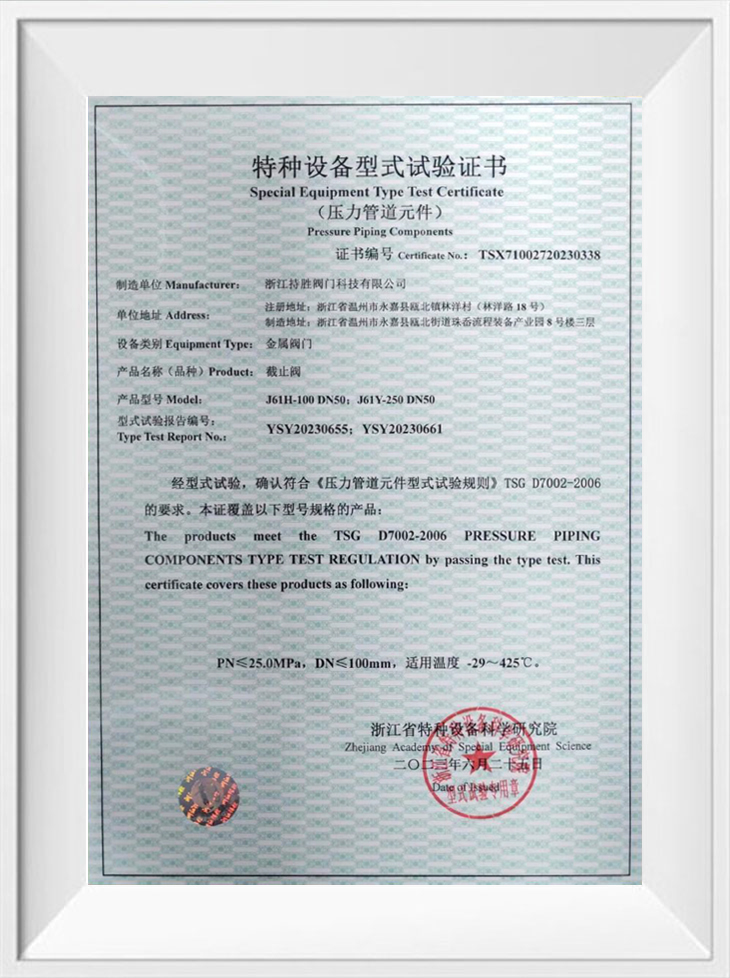
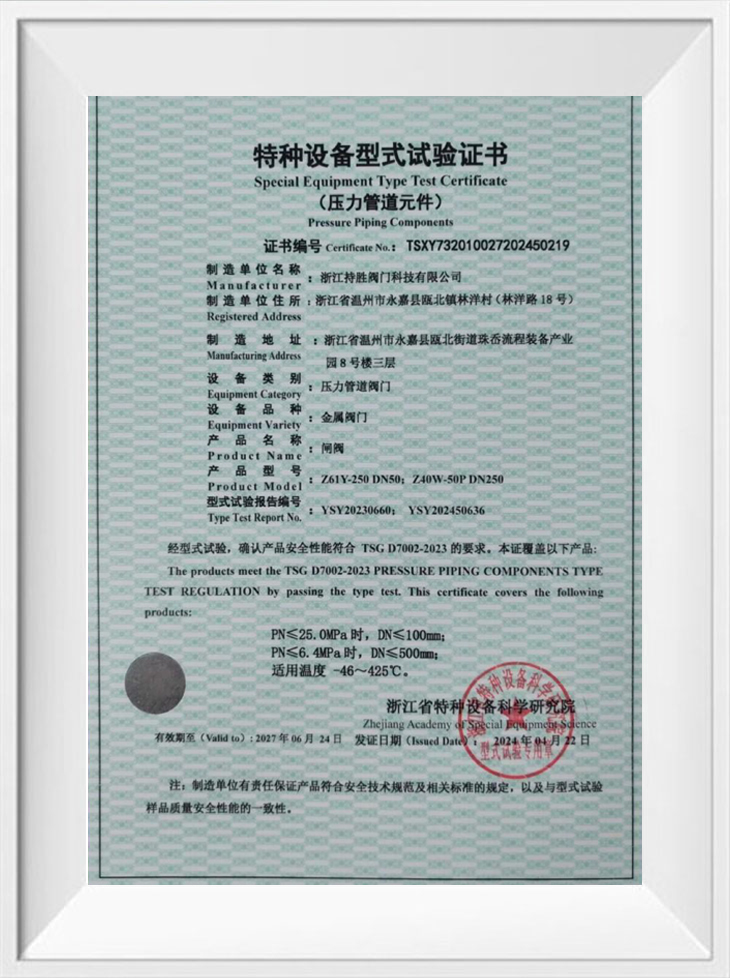
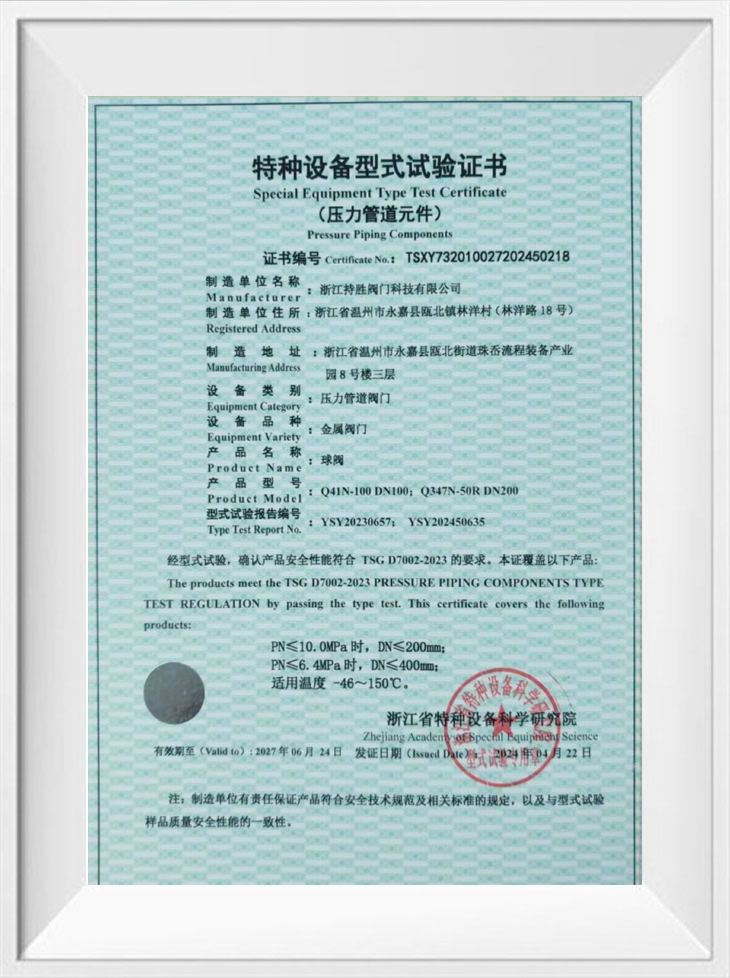
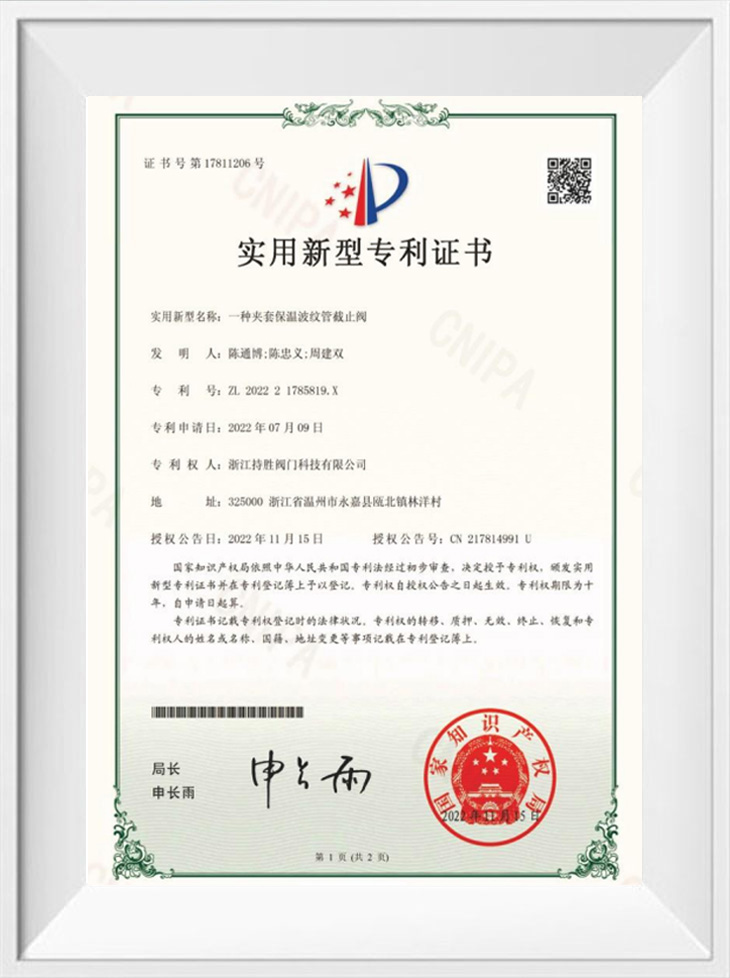
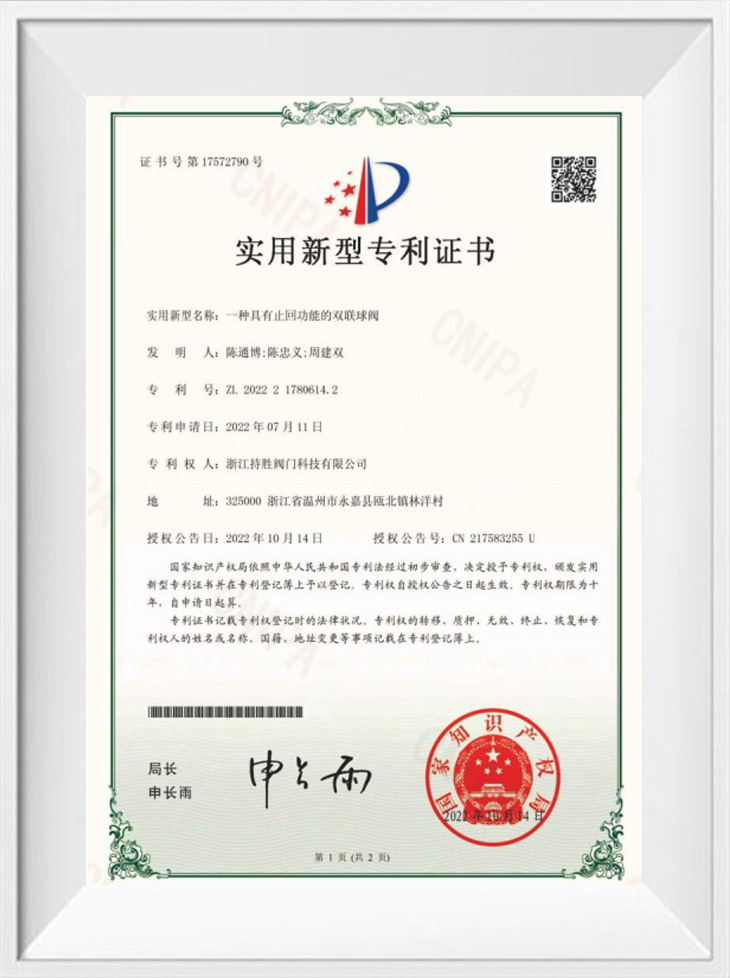
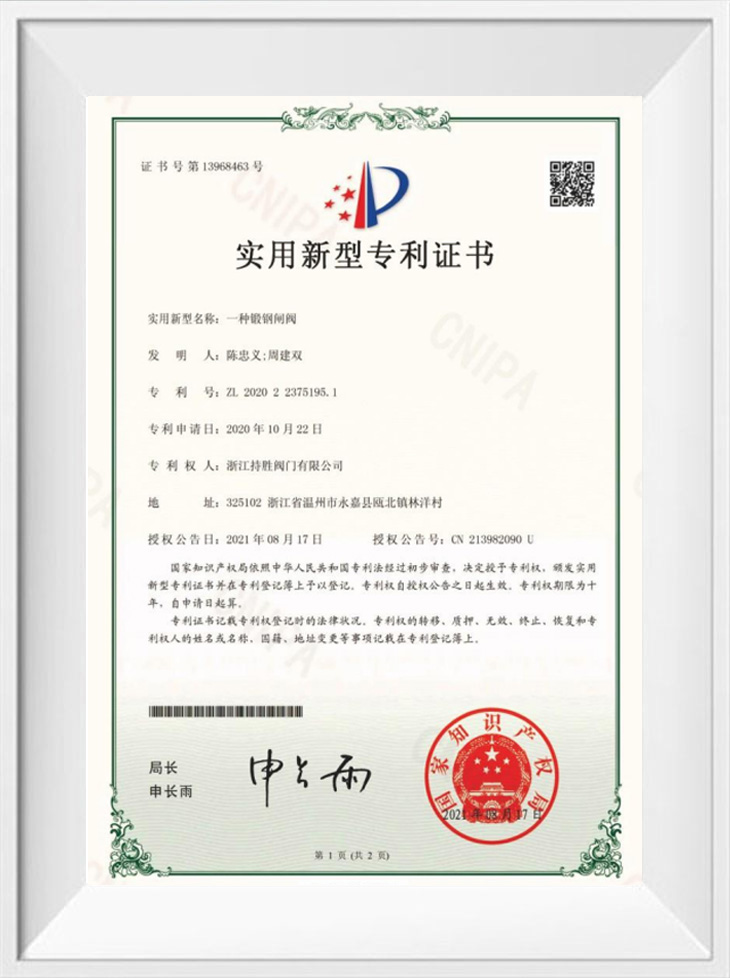
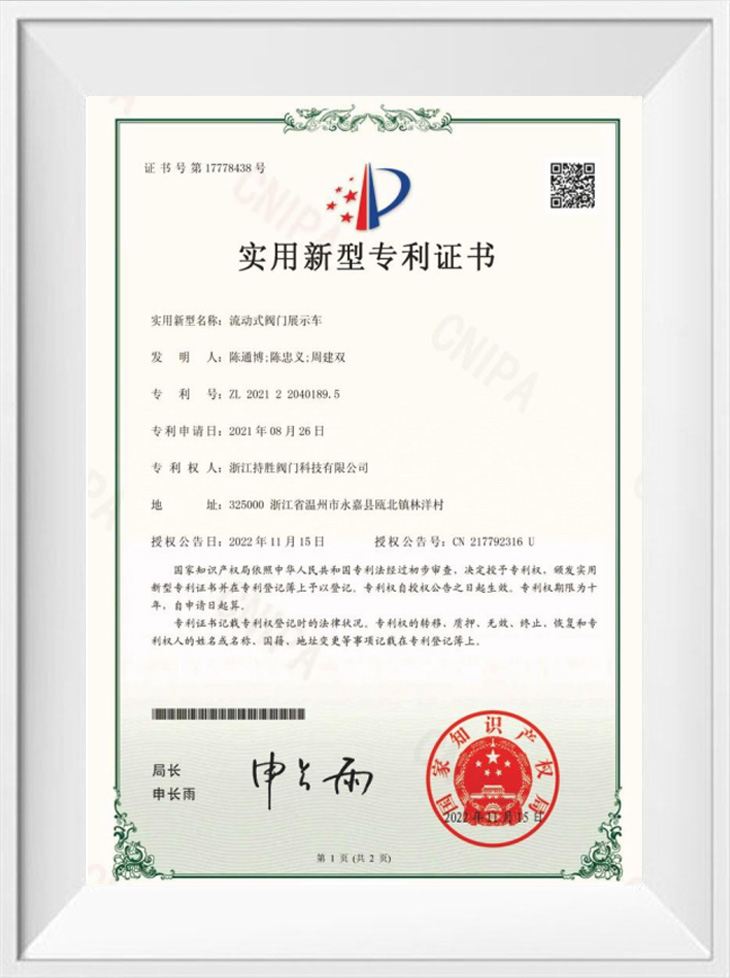
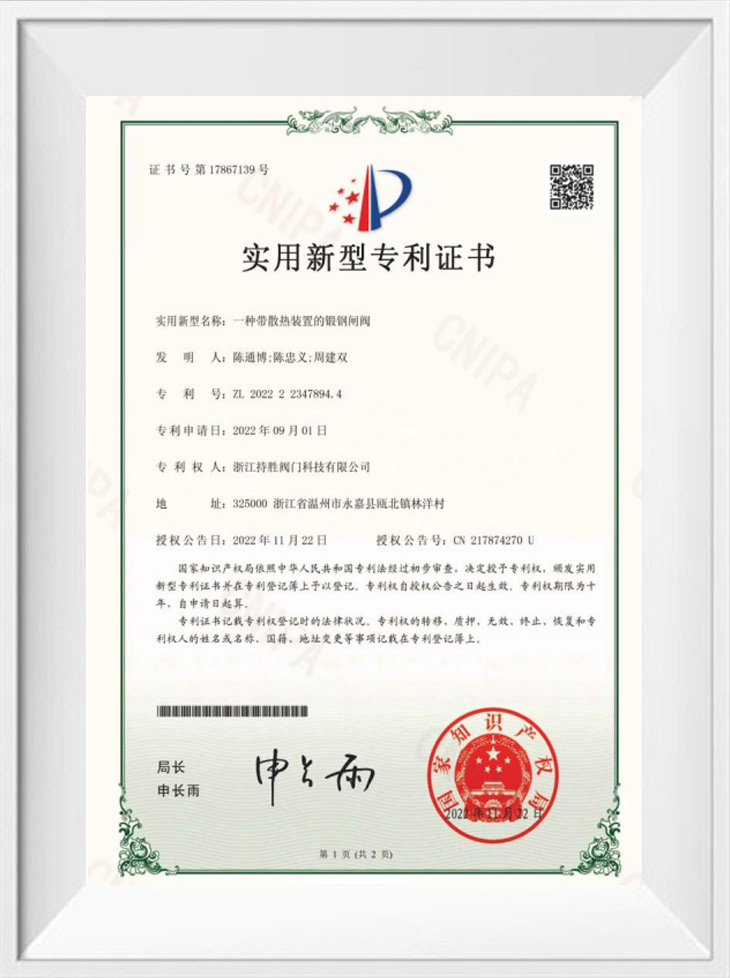
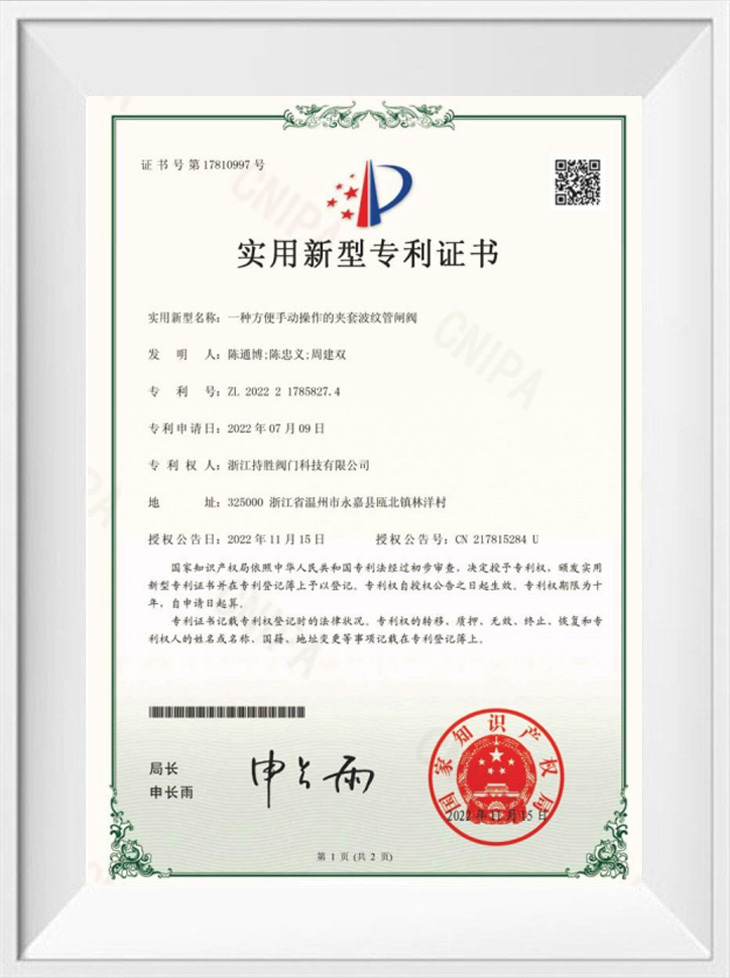
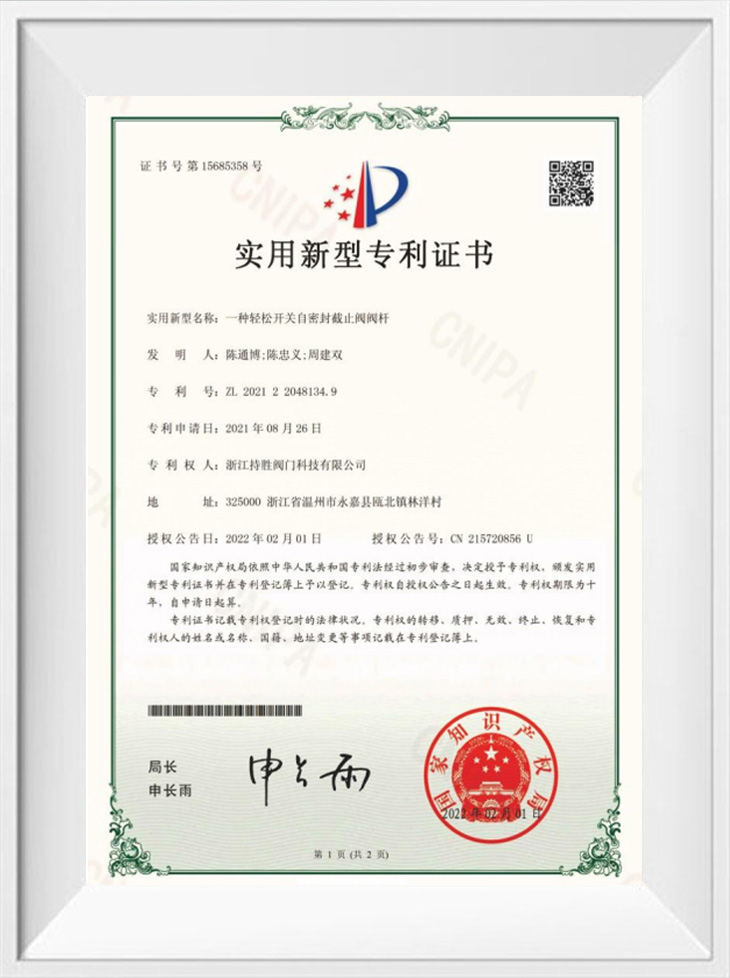
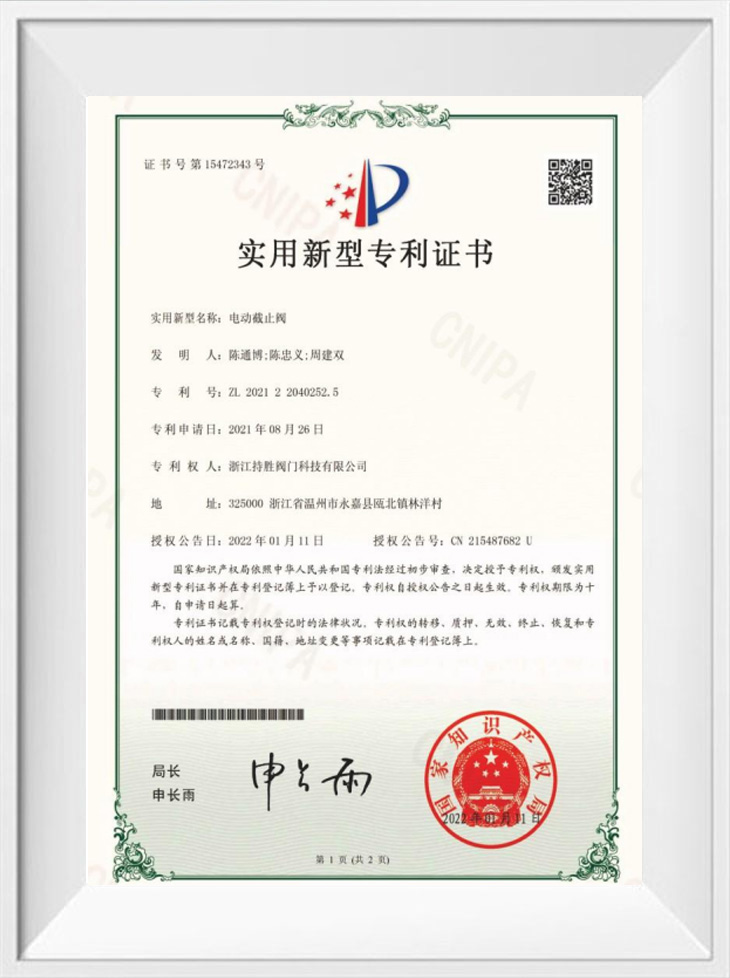
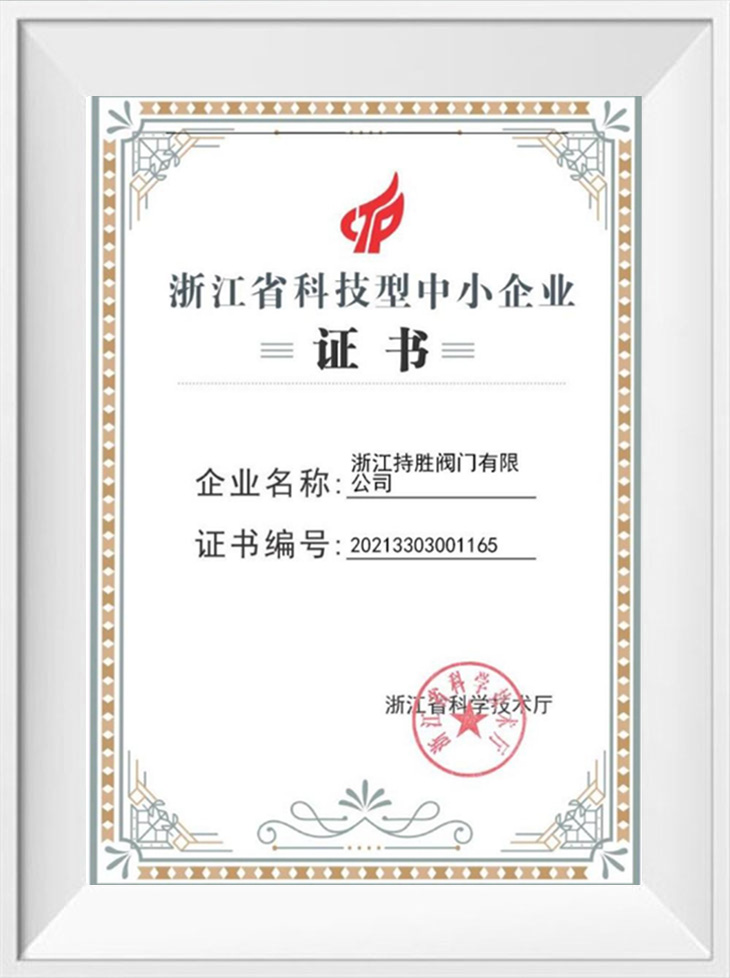
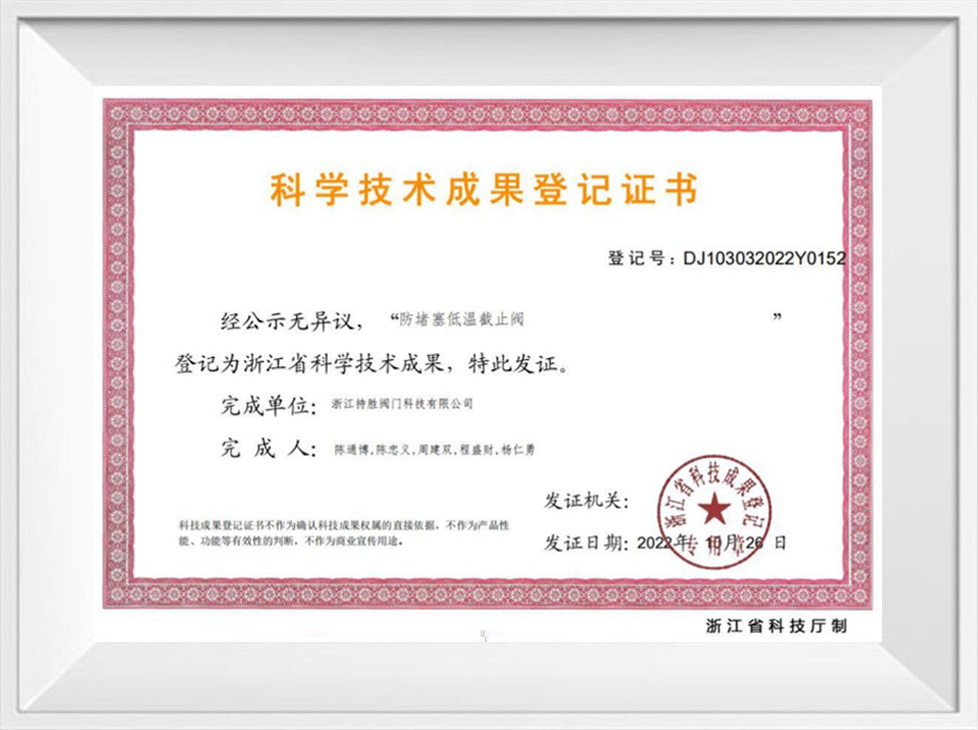
Zhejiang Chisheng Valve Technology Co., Ltd. * Zhejiang Chisheng Valve Technology Co., Ltd. * Zhejiang Chisheng Valve Technology Co., Ltd. * Zhejiang Chisheng Valve Technology Co., Ltd.
 Industry News
  Sep 11, 2026 Industry News Sep 04, 2026 Industry News Aug 28, 2026 Industry News Aug 21, 2026 Industry News Aug 14, 2026 Industry News Aug 07, 2026 Industry News Jun 15, 2026 Industry News Jun 10, 2026 Industry News Jun 08, 2026
 Ball valves show up everywhere—from massive pipeline networks to the small-bore tubing on a chemical skid. Their appeal comes down to simple mechanics: a quarter turn, reliable shut-off, and minimal fuss. But choosing the right one for a given job still trips up plenty of experienced engineers. Here’s a straight talk on five questions that keep coming up in valve specifications.
This one usually comes down to whether you can afford the pressure drop. A full port valve has a ball bore that matches the pipe's inside diameter, so when it's wide open, flow sees almost no restriction—think of it as a straight piece of pipe. Standard port valves shrink the bore by about one pipe size, which creates a venturi effect and costs you some pressure.
Go with full port when:
Standard port valves work fine for water, air, instrument isolation, and general utility services where a little pressure drop doesn't hurt and you'd rather save the weight and cost.
| Feature | Full Port | Standard Port |
| Bore matches pipe ID? | Yes | No (one size smaller) |
| Pressure drop | Very low | Noticeable |
| Pigging friendly | Absolutely | Not a chance |
| Price tag | Higher by 15–25% | Easier on the budget |
Short answer: yes, and sometimes it's the smarter play. People usually associate trunnion designs—where the ball rides on top and bottom bearings—with big, high-pressure pipelines. But those bearings also cut operating torque way down, often to about two-thirds of what a floating ball needs.
For small-bore systems, that means:
You can find trunnion-style valves down to 1/8 inch with NPT ends, rated for low-pressure service. They're a good fit for instrument isolation, injection points, and any place where you want the reliability of a fixed ball without overspending on pressure rating you don't need.
Pretty much everywhere, to be honest. Bubble-tight shut-off, low torque, and the ability to seal in both directions make them the go-to for isolation across the whole value chain.
Upstream, you'll see them at wellheads, often in trunnion or top-entry configurations where external leakage is simply not an option. Midstream, full port valves compliant with API 6D are standard at pigging stations—you can't run a pig through a reduced bore. Downstream in refineries, metal-seated trunnion valves handle high temperatures and pressures, with some rated for Class VI shut-off at 600°C. Gas plants and LNG terminals use fully welded ball valves that hold up to pipeline pressures without leaking a molecule.
Firesafe designs with secondary metal seats and high-temperature stem seals also get specified wherever hydrocarbon fires are a concern. The market size reflects this dominance—projections put the ball valve sector at nearly USD 20 billion by 2031, and oil and gas drives most of that growth.
Sanitary valves for food and pharma work aren't just polished stainless steel with fancy clamps. They're built to specific hygiene standards, most notably the 3-A Sanitary Standard No. 68-01, which spells out cleanability and material requirements.
Here's what sets them apart:
A major change came in September 2023: the updated 3-A standard now classifies ball valves as COP-only—clean-out-of-place. That means you have to disassemble them for cleaning; CIP alone isn't acceptable anymore. This has real implications for plant downtime and labor.
Some manufacturers are responding with seal-less designs that ditch rubber entirely and come apart in under a minute without tools, cutting cleaning time and eliminating a common failure point.
Because that's exactly what it takes. Rotate the stem 90 degrees—one quarter of a full circle—and the valve goes from wide open to completely closed. When the handle lines up with the pipe, the bore is open and flow passes through. Turn it perpendicular, and the solid part of the ball blocks both ports.
That short stroke gives you:
It's the same principle that makes plug and butterfly valves quarter-turn devices, but the ball valve's geometry makes it particularly smooth and reliable in on/off service.

We are a professional manufacturer of industrial valves,
specializing in gate valves, globe valves, check valves, ball valves,
and custom-engineered valve solutions.
+86-13057728556
+86-13857082222
csvalvetech@gmail.com
1st Floor, Building J, Zhuao Canaan Secondary Industrial Park, Yongjia County, Wenzhou City, Zhejiang, China
Let's Work Together

 English
 中文简体
中文简体
 русский
 Español