Zhejiang Chisheng Valve Technology Co., Ltd. * Zhejiang Chisheng Valve Technology Co., Ltd. * Zhejiang Chisheng Valve Technology Co., Ltd. * Zhejiang Chisheng Valve Technology Co., Ltd.
Small auxiliary valves rarely attract the same attention as large pipeline isolation valves, yet their position within a process system can be critical. Vent and drain connections provide controlled paths for removing trapped pressure, releasing gases, draining liquids, or preparing equipment for inspection. A compact forged valve installed at the right location can therefore perform a function that is far more important than its physical size suggests.
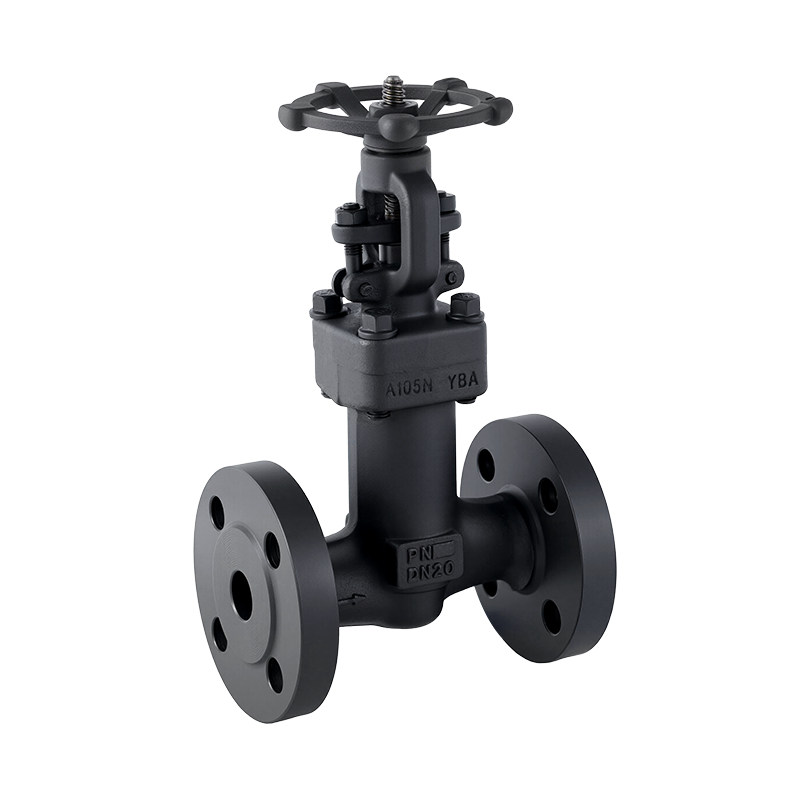
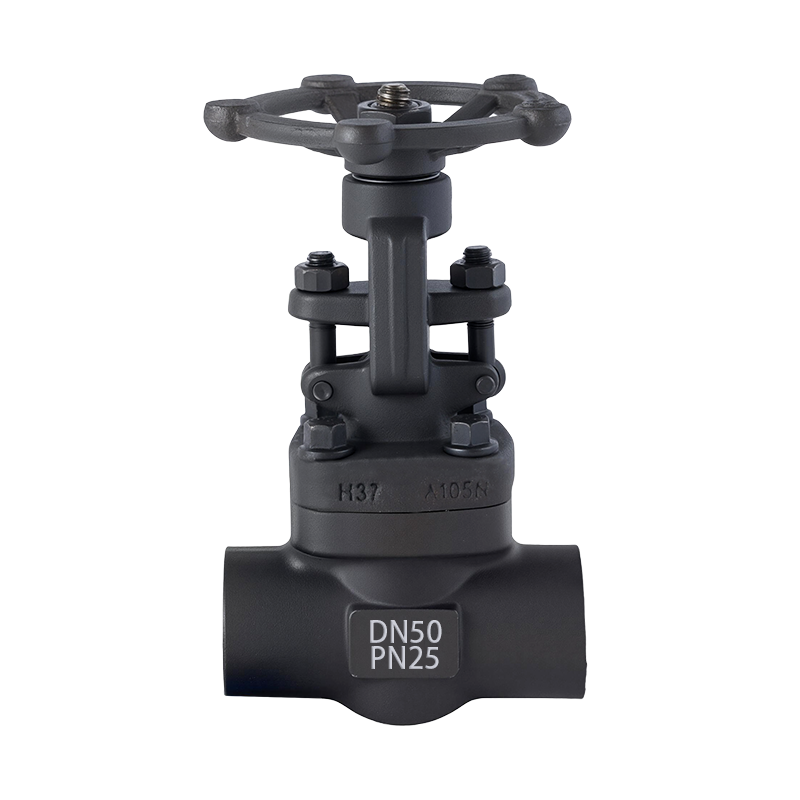
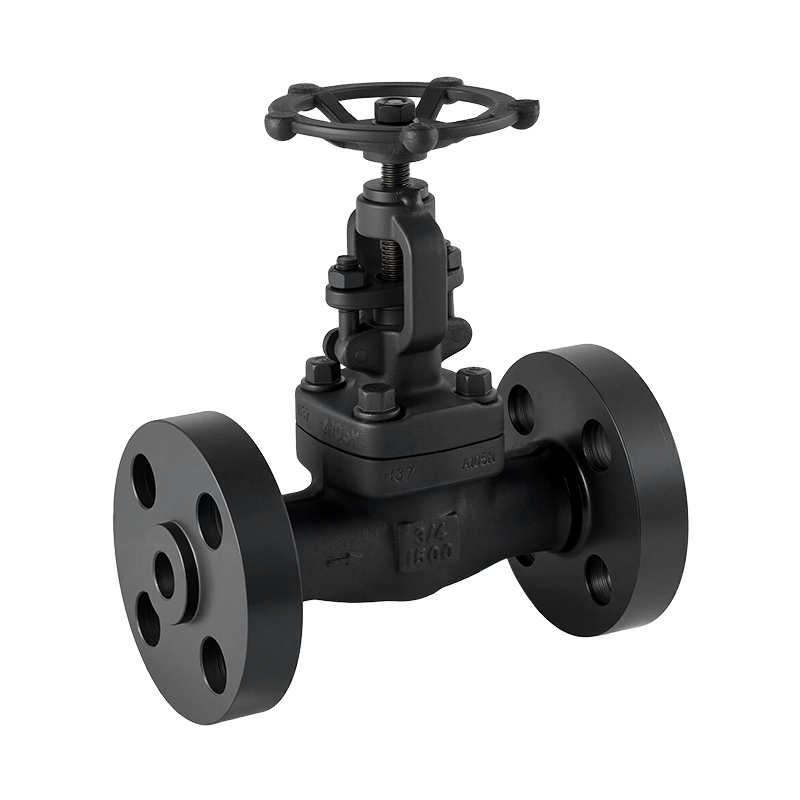
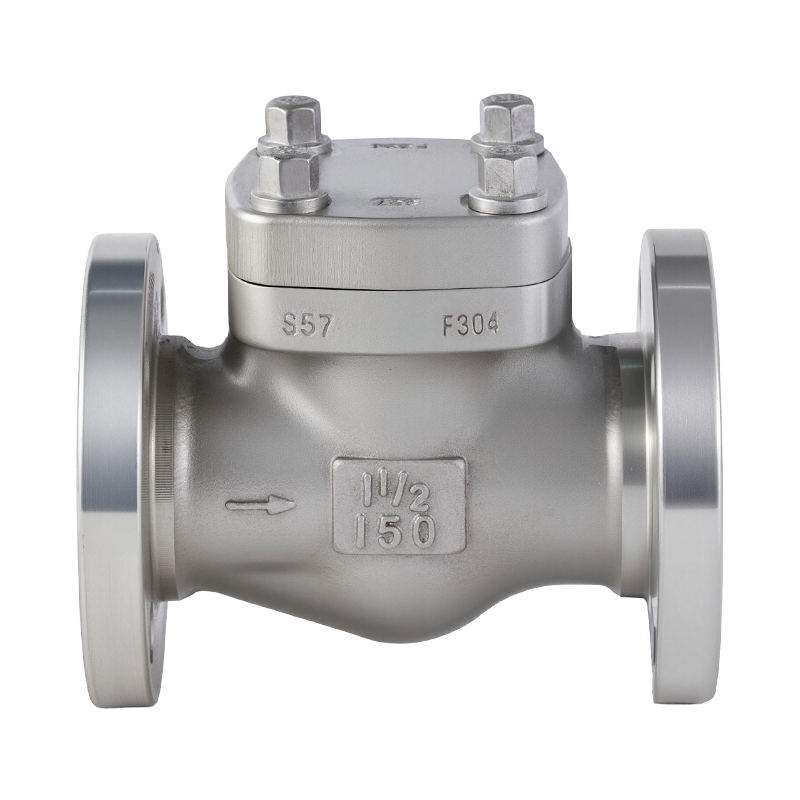
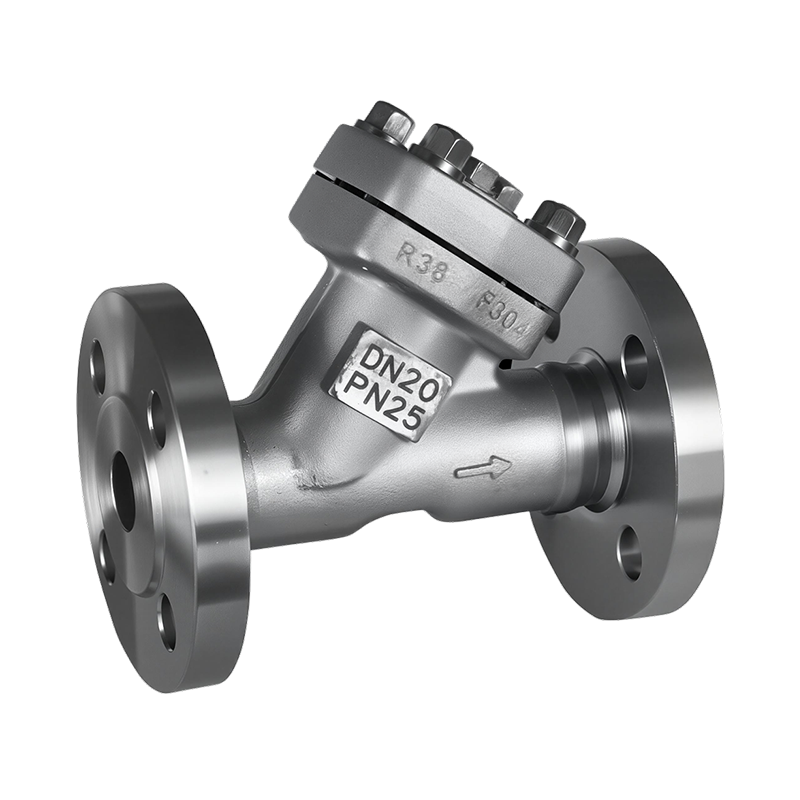
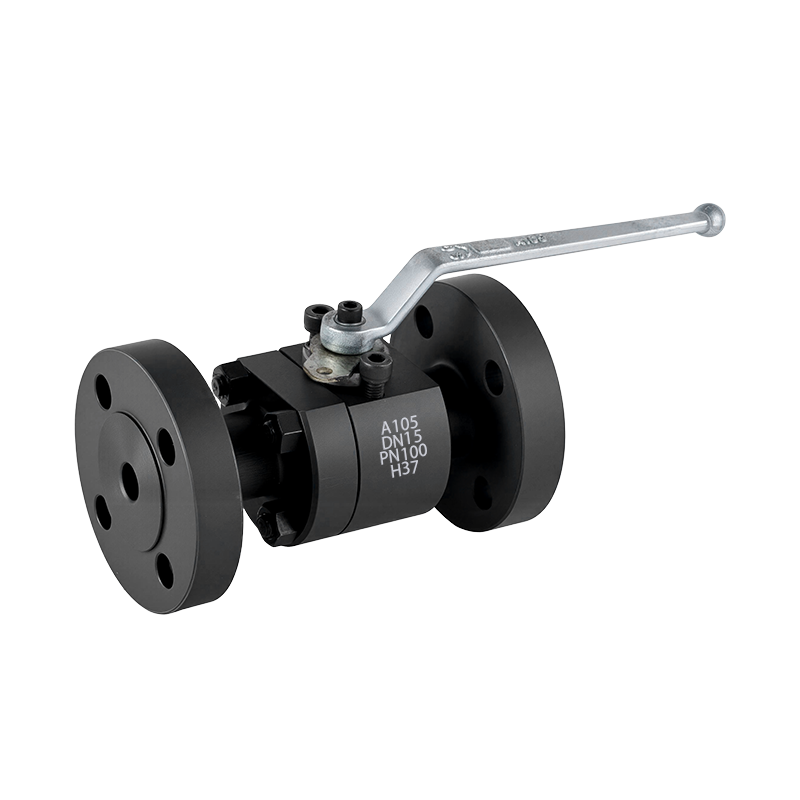
Forged Vent & Drain Valves are commonly used on pressure-containing equipment, process piping, manifolds, and other industrial systems where controlled venting or drainage is required. Forged construction is particularly useful for small-bore applications because API 602 covers compact forged gate, globe, and check valves used in petroleum and natural gas service, with pressure classes extending into high-pressure applications.
A vent or drain valve may occupy only a small branch connection, but its purpose is closely related to safe system operation. Process equipment can retain fluid or pressure even after the primary isolation valve has been closed. A dedicated auxiliary valve provides a controlled route for dealing with that trapped medium.
Some valve designs specifically incorporate drain and vent connections to release trapped body pressure and liquids. Such arrangements are particularly relevant to valves with double-block capabilities, where pressure can remain contained between isolation barriers.
Small-bore process connections often operate under pressure levels that are not suitable for lightweight valve construction. Forged bodies provide a dense pressure-containing structure and are widely associated with compact high-pressure valves.
API 602 covers compact gate, globe, and check valves in sizes up to NPS 4, with forged construction forming a common design approach for this valve category. Typical applications include instrument root valves, bypass lines, sample connections, utility services, and small process branches.
Vent connections have different functions depending on their location within a process system. A valve mounted at a high point may handle accumulated gases, while another installed around an isolated valve body may provide a route for trapped pressure.
Valve location is therefore part of the engineering decision. A vent connection positioned incorrectly may not perform the intended function, particularly in systems where gas pockets or trapped pressure can accumulate at specific points.
Drain service focuses on removing liquids rather than releasing accumulated gas. Liquid can remain inside a valve cavity or low point of a piping system after the main flow has stopped. A dedicated drain connection provides a controlled outlet for that retained medium.
Process engineers may consider drain valves around equipment such as pipelines, separators, pressure vessels, pump systems, and valve assemblies. The drain arrangement must account for the fluid characteristics, discharge destination, pressure, temperature, and required connection size.
A small forged vent or drain valve should not be specified by nominal size alone. Pressure class, body material, end connection, temperature range, and sealing arrangement all influence its suitability.
API 602 covers compact valve designs in pressure designations including Class 150, 300, 600, 800, and 1500, while Class 800 is widely used for compact welded and threaded valve configurations.
Valve manufacturers commonly reference ASME B16.11 for socket-weld and threaded forged fittings, while valve designs may also incorporate requirements from API 602 and ASME B16.34.
The process medium has a direct influence on the material specified for a vent or drain valve. Carbon steel may suit general hydrocarbon service, while stainless steel or alloy materials may be considered for corrosive fluids or elevated temperatures.
Seat and packing materials require similar attention. PTFE, graphite, metal-to-metal arrangements, and other sealing solutions can have different temperature and chemical compatibility ranges.
Not every process system can use a simple threaded plug as its vent or drain arrangement. High-pressure equipment may require specialized connections designed around pressure containment and controlled release.
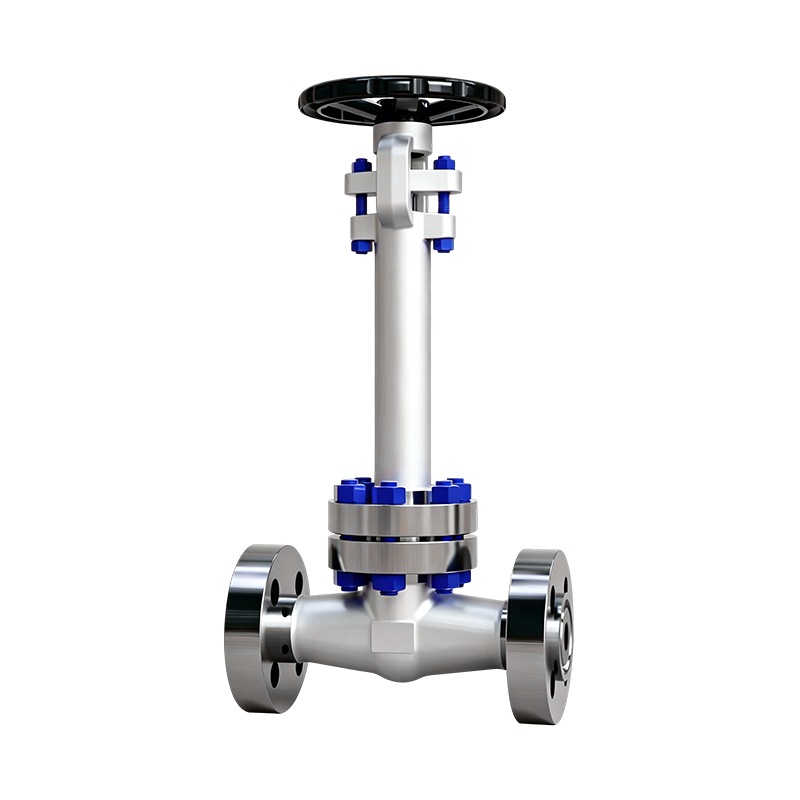
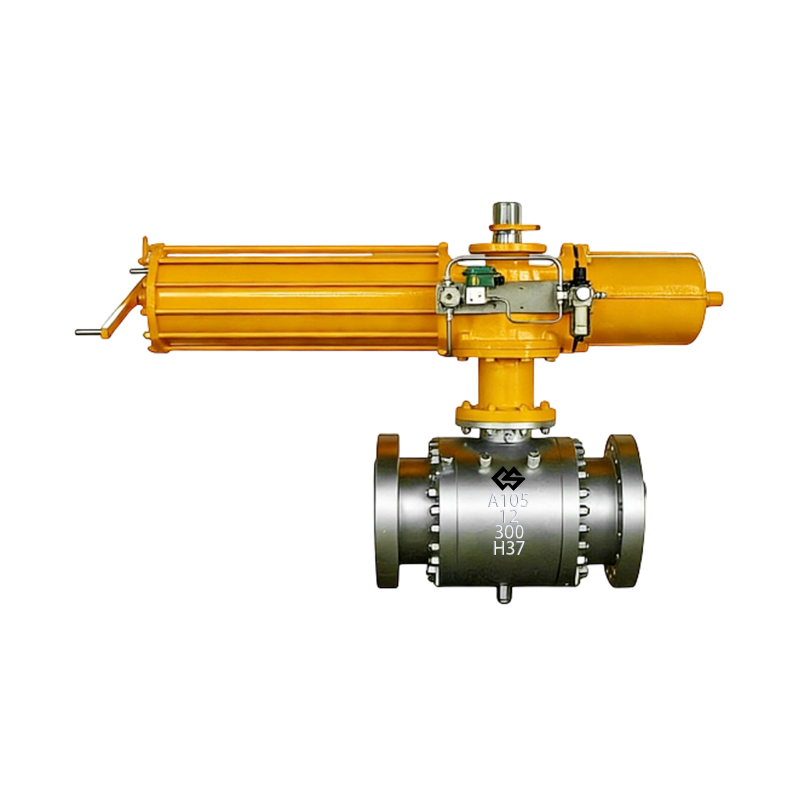
Specialized valve designs can incorporate anti-blowout plugs, needle valves, flanged connections, and autoclave-style connections. Such configurations are used in demanding high-pressure applications where the vent or drain connection itself must maintain mechanical integrity.
The valve itself is only one part of a vent or drain arrangement. The downstream discharge path also needs consideration. Process fluid may be hot, corrosive, toxic, flammable, or maintained at significant pressure, so the destination and routing of the released medium are important engineering considerations.
A practical specification therefore considers the complete arrangement rather than treating the valve as an isolated component. Connection size, downstream piping, discharge location, pressure differential, and operating procedure can all influence the final configuration.
The role of a vent or drain valve becomes clearer once the complete process system is considered. These small components provide controlled access to sections that otherwise might remain filled with pressure or process fluid after isolation.
Forged Vent & Drain Valves combine compact construction with pressure-rated designs suited to demanding auxiliary lines. Their value comes from precise placement, appropriate material selection, suitable pressure class, and a vent or drain configuration matched to the process conditions.
As process plants continue to use higher operating pressures and increasingly compact piping layouts, these auxiliary valves remain an important part of system engineering. Their contribution may be physically small, but the ability to release trapped pressure, remove retained liquids, and support controlled isolation can have a significant role in the safe operation of industrial process equipment.

We are a professional manufacturer of industrial valves,
specializing in gate valves, globe valves, check valves, ball valves,
and custom-engineered valve solutions.
+86-13057728556
+86-13857082222
csvalvetech@gmail.com
1st Floor, Building J, Zhuao Canaan Secondary Industrial Park, Yongjia County, Wenzhou City, Zhejiang, China
Let's Work Together

 English
 中文简体
中文简体
 русский
 Español