Zhejiang Chisheng Valve Technology Co., Ltd. * Zhejiang Chisheng Valve Technology Co., Ltd. * Zhejiang Chisheng Valve Technology Co., Ltd. * Zhejiang Chisheng Valve Technology Co., Ltd.
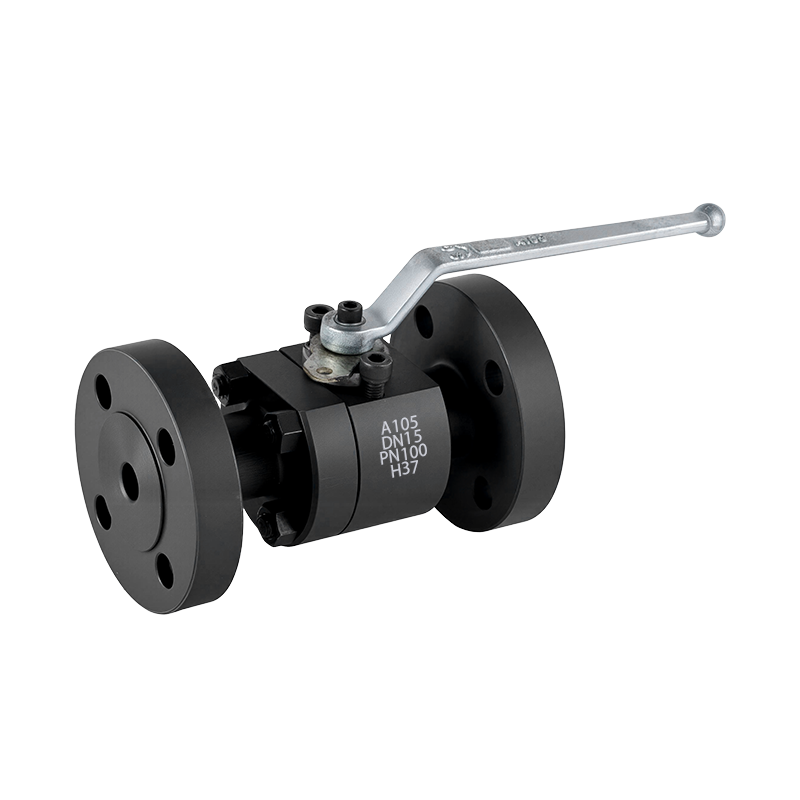
Body density may not always show up as a specification on every valve datasheet yet it can give important clues about what is inside a valve body. Forged steel ball valves depend on a metal structure to endure pressure, heat and many operating cycles. Density by itself does not decide how well a valve performs. It is linked closely with porosity, how uniform the material is, the quality of forging and the overall structural integrity.
Steel gets tighter when it is forged because heated metal is pressed under a compressive force. This method can cut down on hidden holes. Make the grain structure smoother than in normal cast parts. Technical sources say that casting can have porosity and shrinkage problems while forging creates an more uniform body structure.
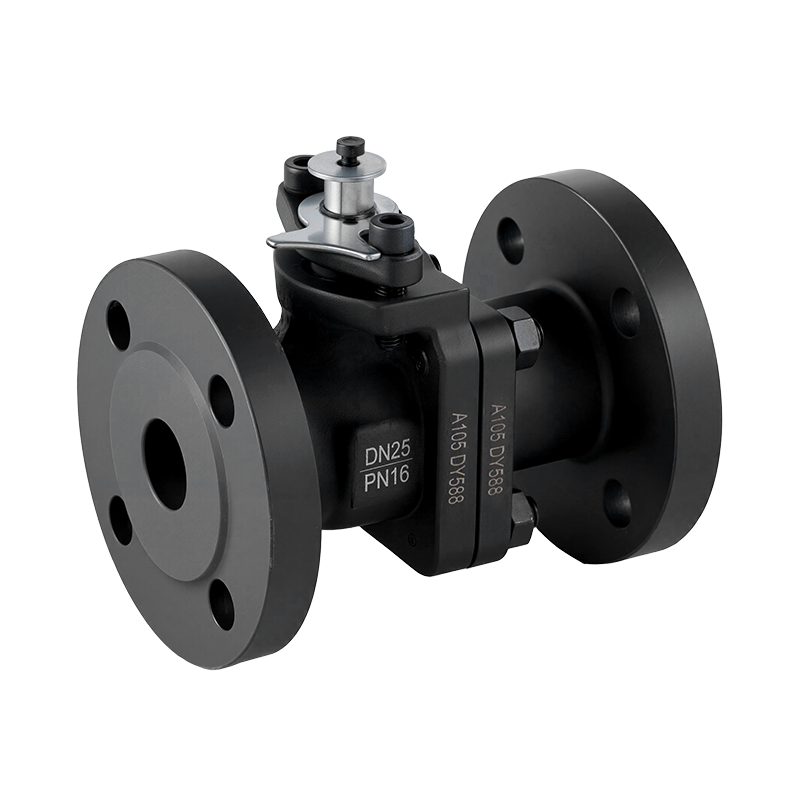
High density should not be seen as an indicator of strength. Two valve bodies can have the same material density yet show mechanical properties because steel grade, heat treatment, grain flow, wall thickness and machining quality also affect performance.
ASTM A105 gives an example. Forged carbon steel made to this specification must have a minimum tensile strength of 485 MPa and a minimum yield strength of 250 MPa according to material requirements.
Pressure‑containing areas need attention. The walls of the valve body, threaded parts, flange transitions and the areas around the seat cavity all feel mechanical loads when the valve works. A tight forged structure can give a foundation for these parts.
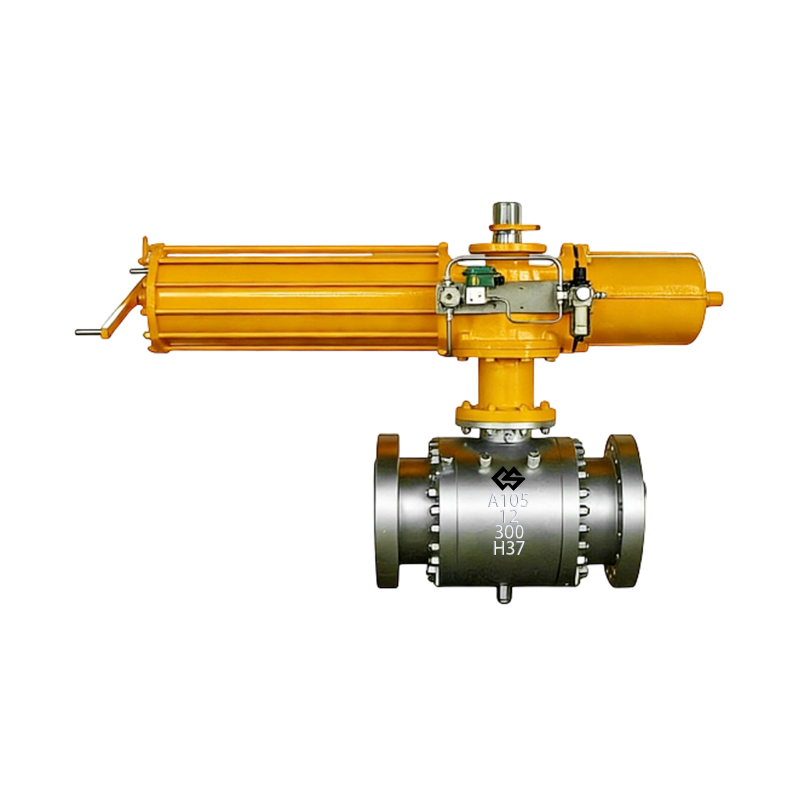
High‑pressure designs show this relationship clearly. Technical examples are forged steel ball valves rated at Class 600 with a 6‑inch size and full‑bore construction. These designs need calculated body dimensions and wall thickness instead of just relying on material density.
Density cannot usually be checked by weighing a finished valve. A heavier valve is not automatically a valve. Buyers should look at material documentation and inspection records with the basic valve specifications.
Body density matters. It is part of a larger engineering picture. Forged steel ball valves should be judged by material grade, pressure class, temperature range, body dimensions forging quality, inspection requirements and seat construction together.
This approach helps separate material integrity from simple weight differences. A forged body with a controlled grain structure right wall thickness, verified material properties and proper testing gives a stronger technical basis for demanding pipeline applications.
Body density is not a specification that should stand alone. It gives useful clues about the quality of the metal, inside forged steel ball valves. Lower porosity, a grain structure, suitable material properties and controlled manufacturing steps all work together to support pressure integrity. Buyers comparing valves should look past weight. Ask for material certificates, applicable standards, pressure ratings and inspection records before making a technical decision.

We are a professional manufacturer of industrial valves,
specializing in gate valves, globe valves, check valves, ball valves,
and custom-engineered valve solutions.
+86-13057728556
+86-13857082222
csvalvetech@gmail.com
1st Floor, Building J, Zhuao Canaan Secondary Industrial Park, Yongjia County, Wenzhou City, Zhejiang, China
Let's Work Together

 English
 中文简体
中文简体
 русский
 Español