Zhejiang Chisheng Valve Technology Co., Ltd. * Zhejiang Chisheng Valve Technology Co., Ltd. * Zhejiang Chisheng Valve Technology Co., Ltd. * Zhejiang Chisheng Valve Technology Co., Ltd.
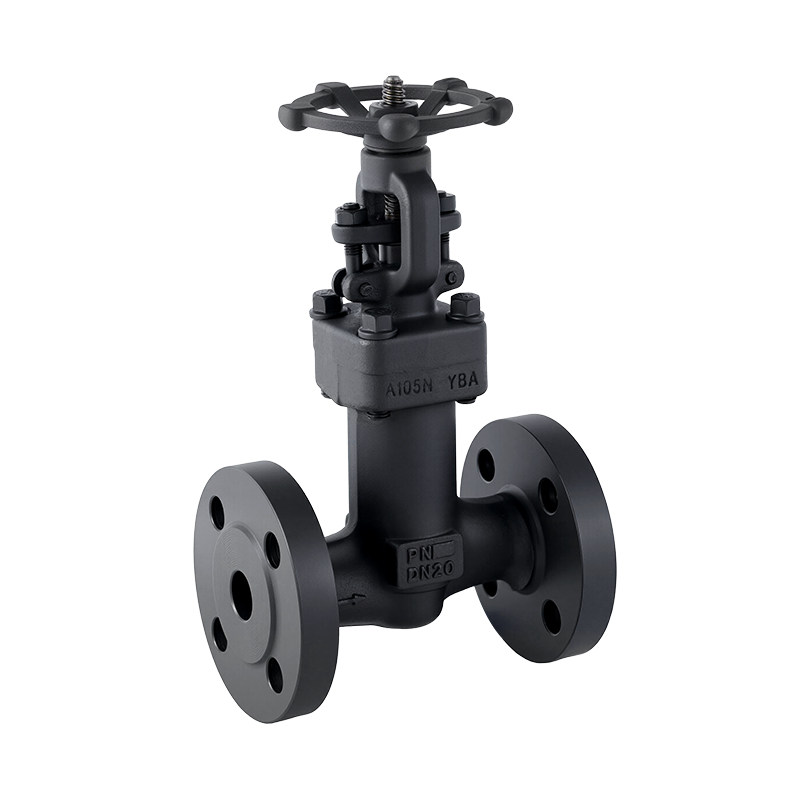
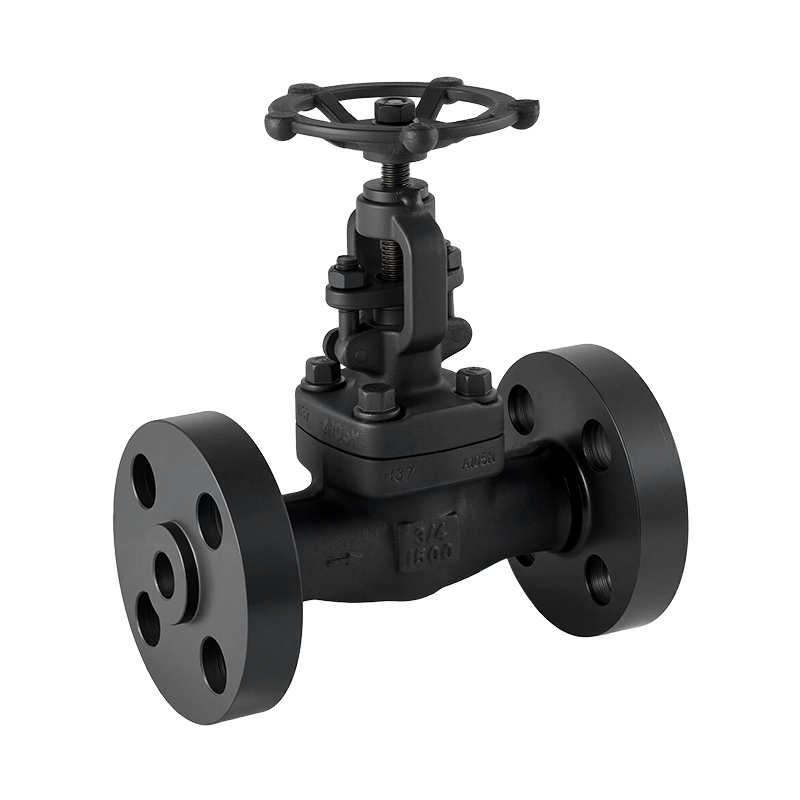
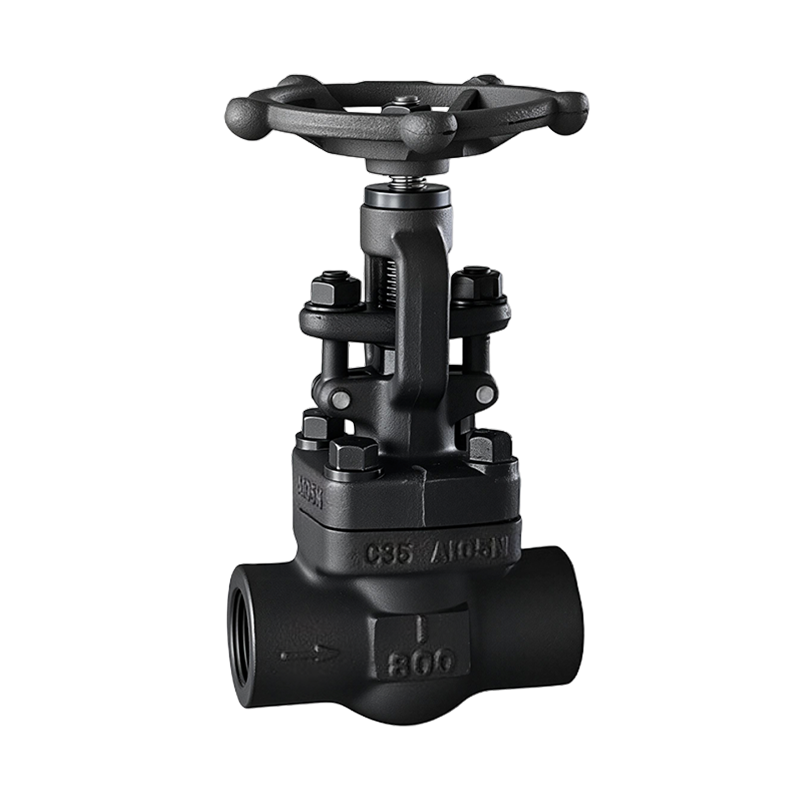
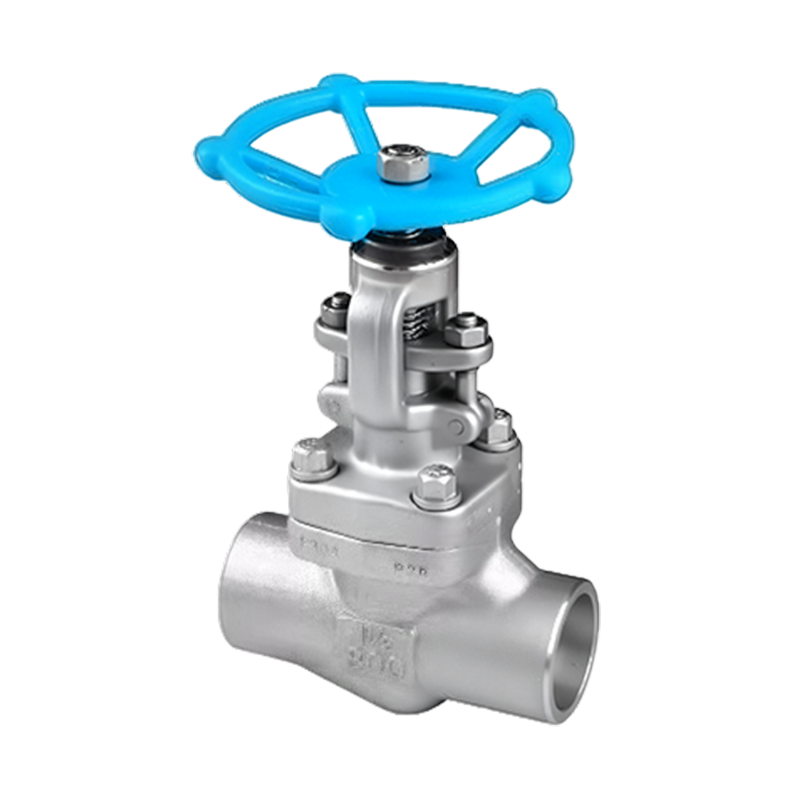
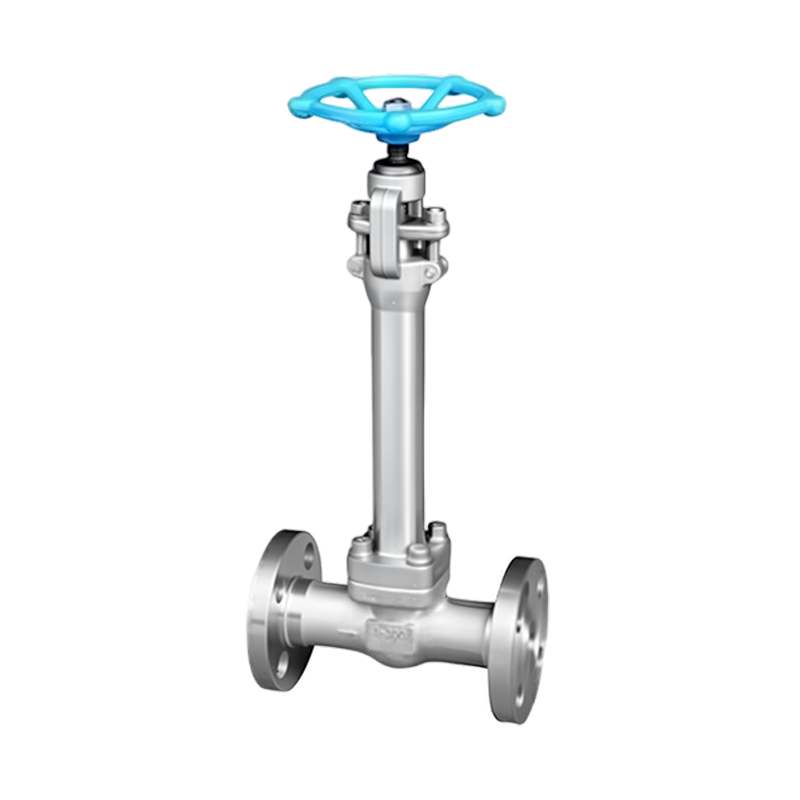
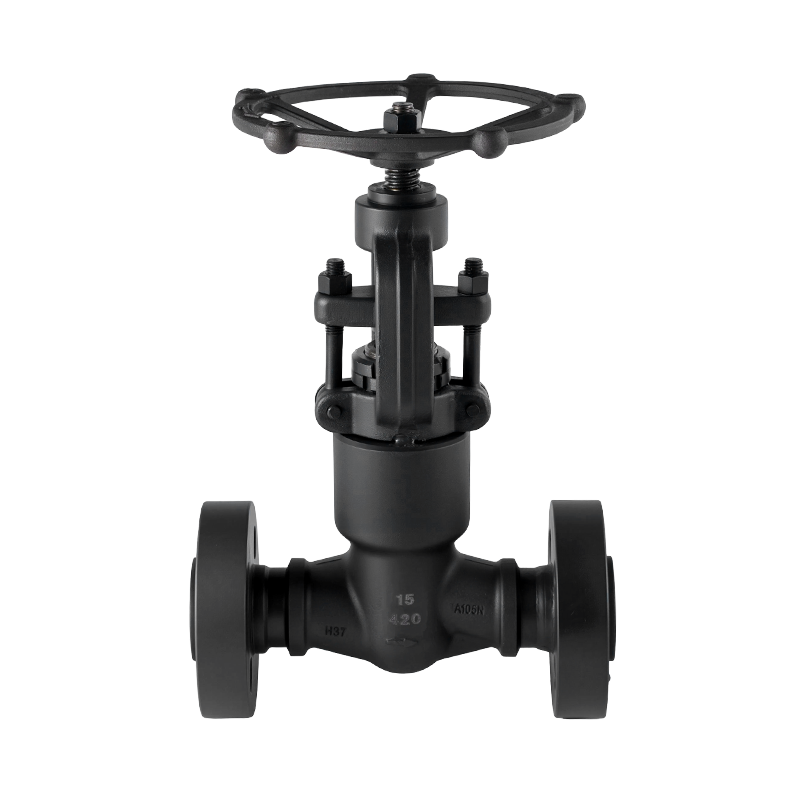
Globe valves are commonly used in pipelines that require frequent operation or accurate flow control. They are well-suited for steam, oil products, and corrosive chemical media.
This category includes a full range of industrial globe valves. Products cover different materials, pressure ratings, connection standards, and sealing options. They fit small to medium-large pipelines and serve industrial production, energy transmission, and water treatment.
Applications
These valves are used in petrochemical plants, refining equipment, oil and gas transmission lines, steam pipes, and high-temperature, high-pressure process systems. Depending on the body material and seal type, they handle corrosive, high-temperature, or high-pressure chemical media. They are also found in water treatment equipment, industrial circulating water systems, boiler lines, and various industrial process lines.
Reasons to Purchase
The throttling and shut-off performance is stable. Sealing materials can be selected based on temperature and media. Options include carbon steel globe valves, stainless steel globe valves, and alloy globe valves for low/high temperature, high/low pressure, or corrosive conditions. Connections available: flange, threaded, and weld. Standards: DIN, ANSI, JIS, BS, GB. Suitable for engineering contractors, equipment OEMs, fluid system integrators, export distributors, and long-term bulk project buyers. Pressure strength tests, seal tests, non-destructive tests, and visual inspection can be done before shipment.
Size Range
Standard sizes are stocked. Special sizes can be customized according to actual operating conditions.
Zhejiang Chisheng Valve Technology Co., Ltd. * Zhejiang Chisheng Valve Technology Co., Ltd. * Zhejiang Chisheng Valve Technology Co., Ltd. * Zhejiang Chisheng Valve Technology Co., Ltd.
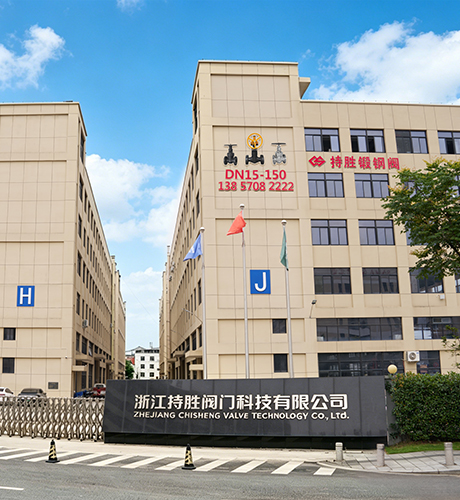

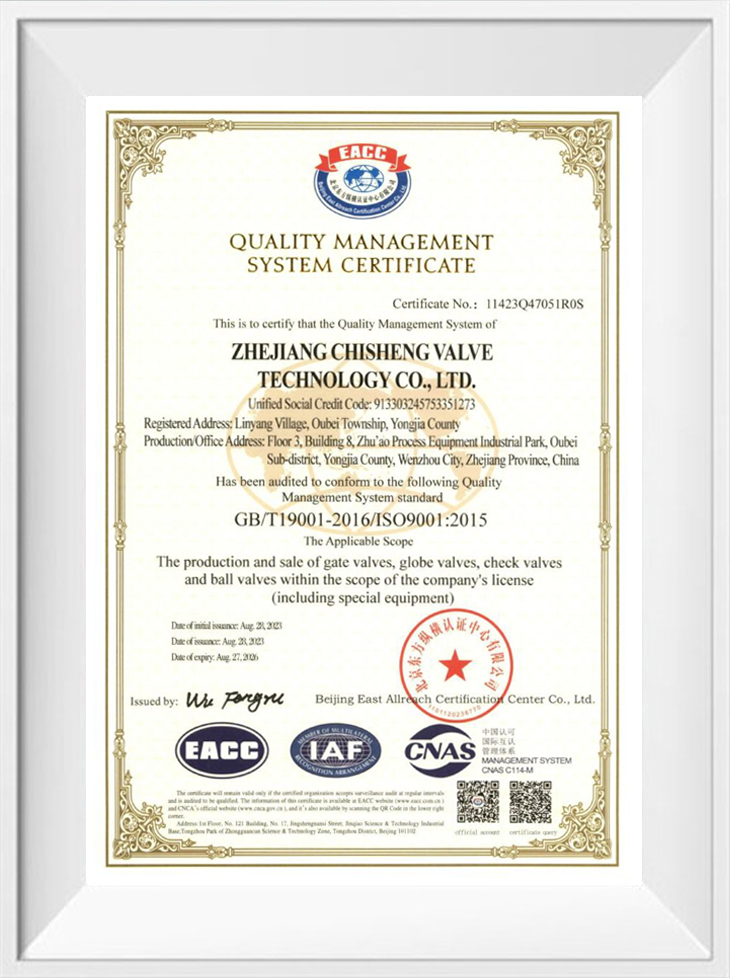
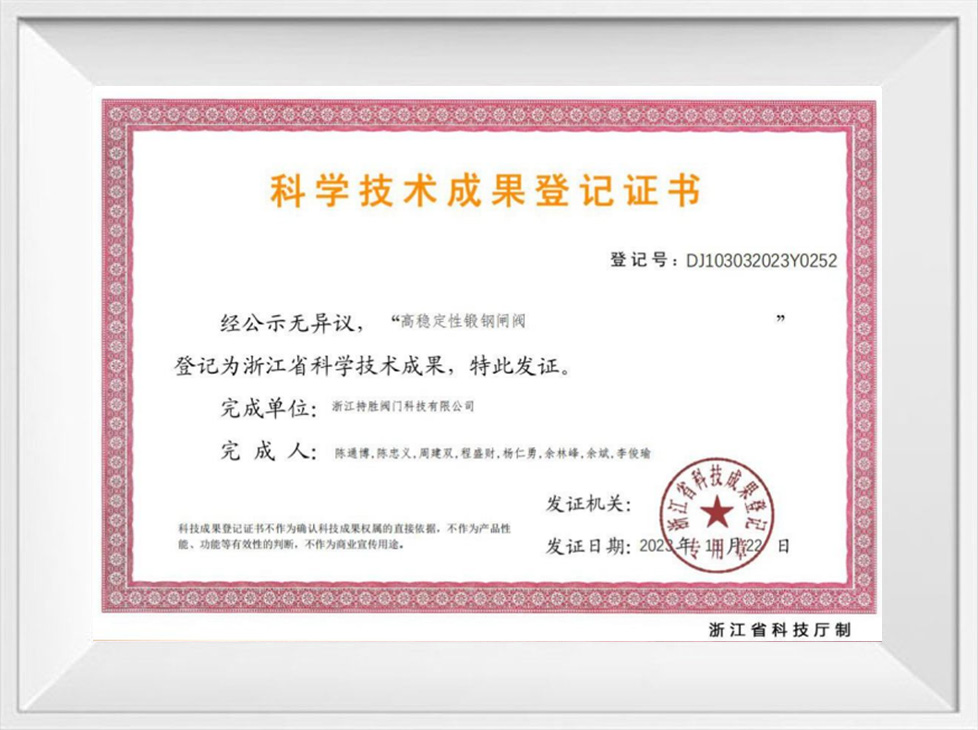
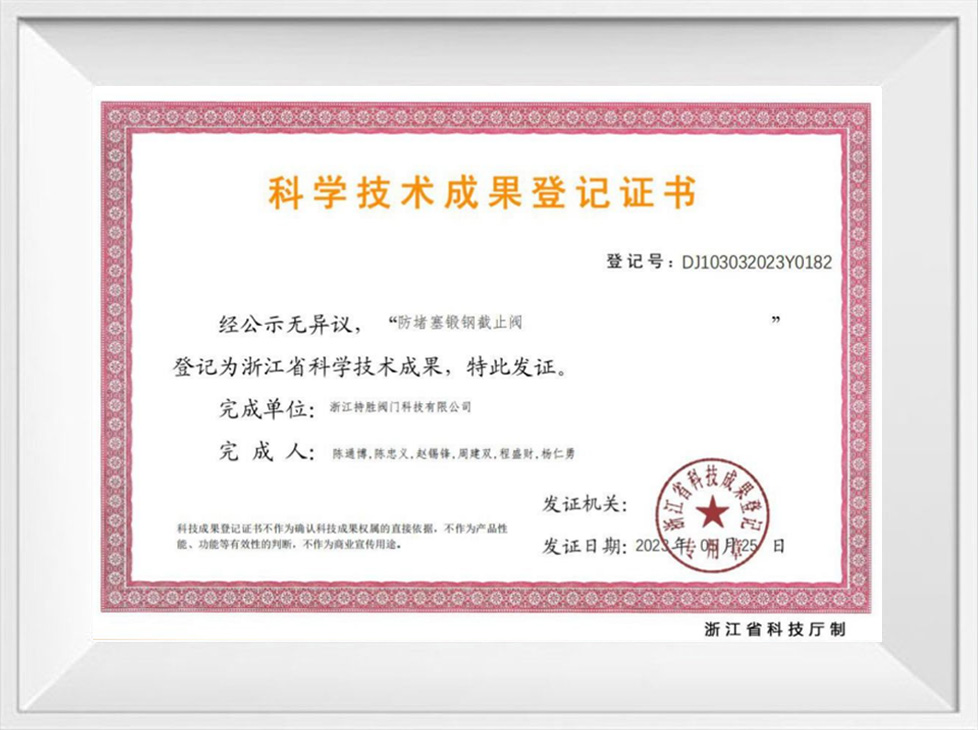
Zhejiang Chisheng Valve Technology Co., Ltd. is located in Oubei, Wenzhou, the famous "Hometown of Pumps & Valves in China". We are a professional manufacturer integrated with R&D, production and sales, specializing in forged steel ball valves, as well as various forged steel gate valves, globe valves, check valves, cryogenic valves, vent & drain valves, integral flange forged steel valves and self-sealing forged steel valves.
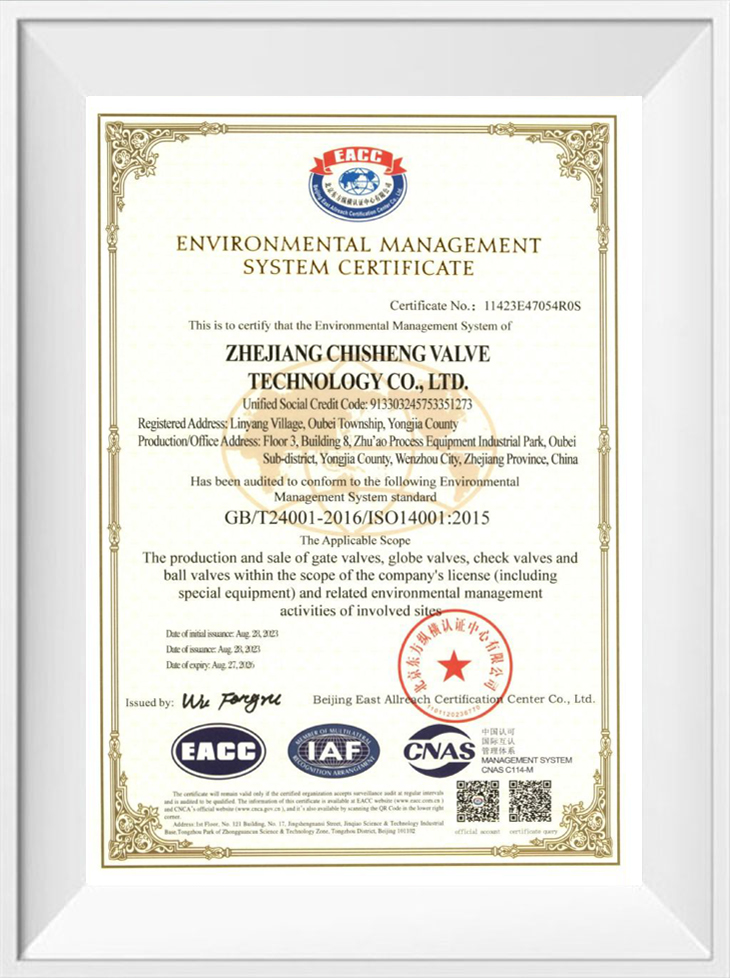
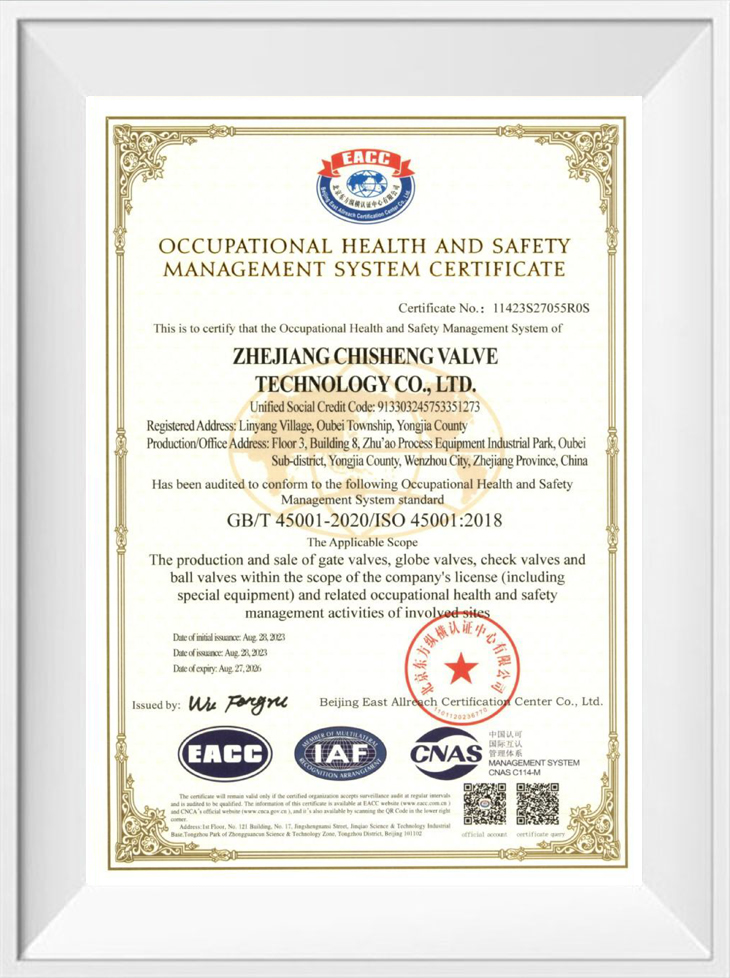
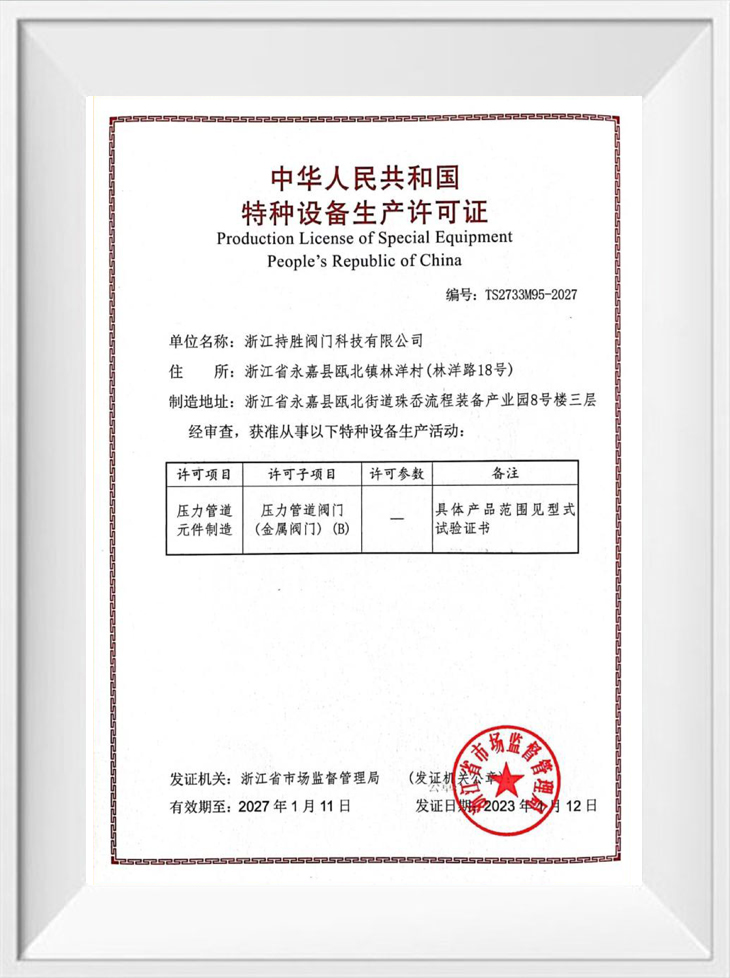
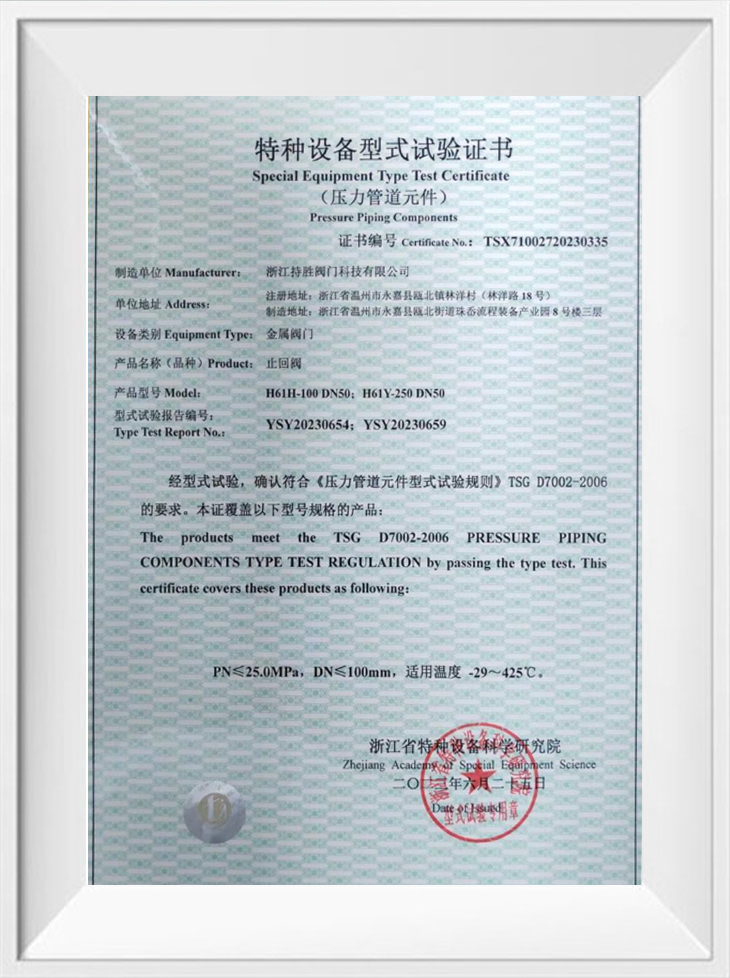
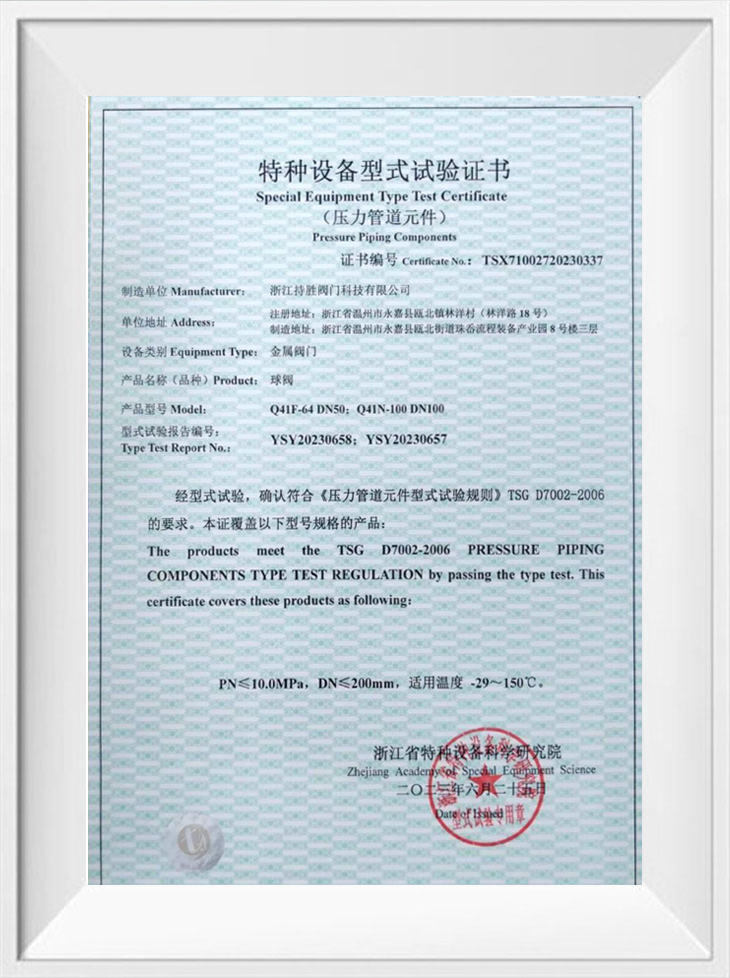
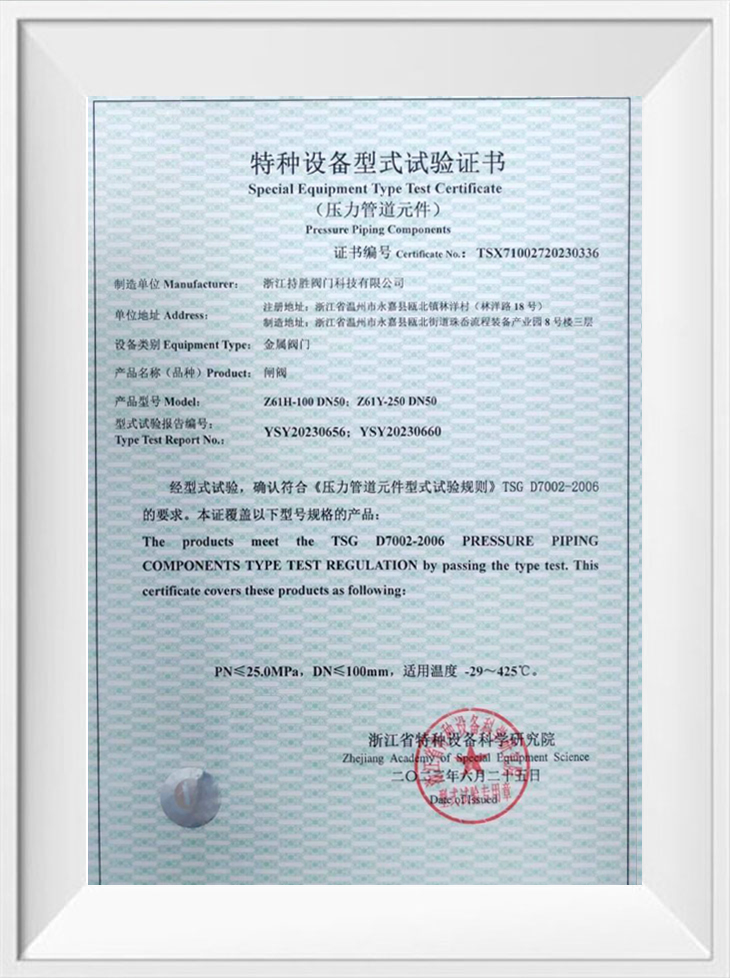
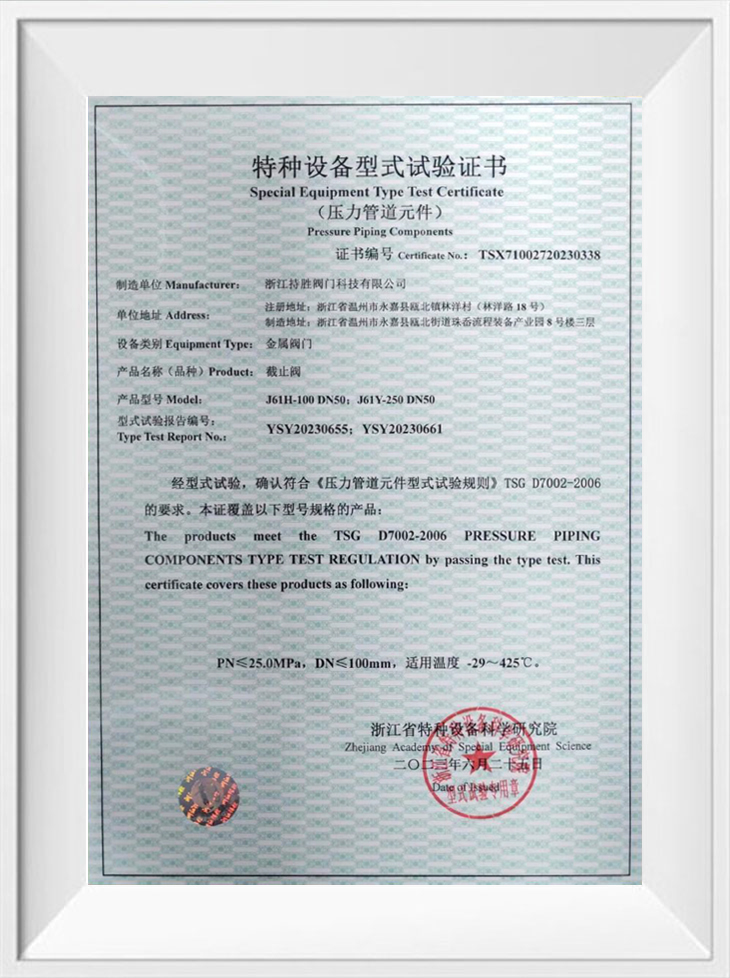
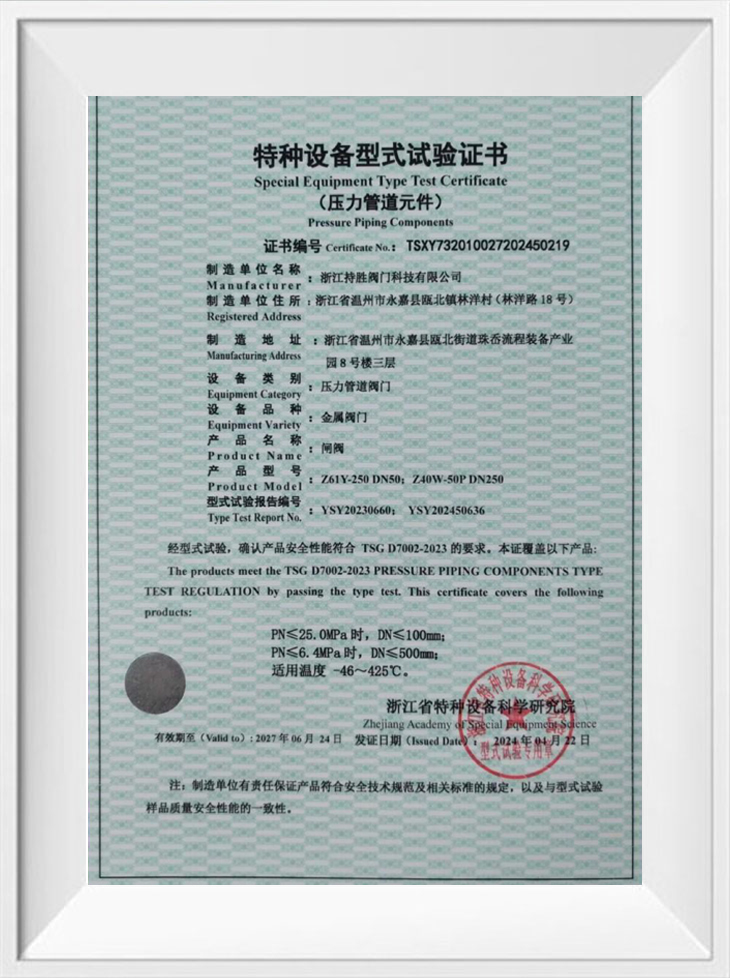
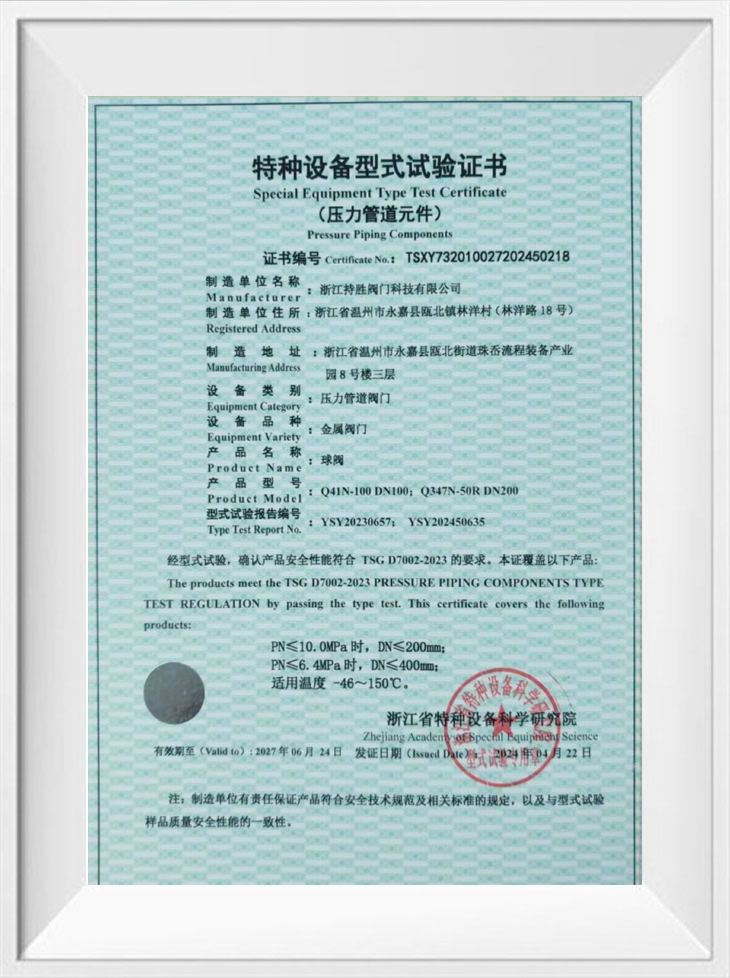
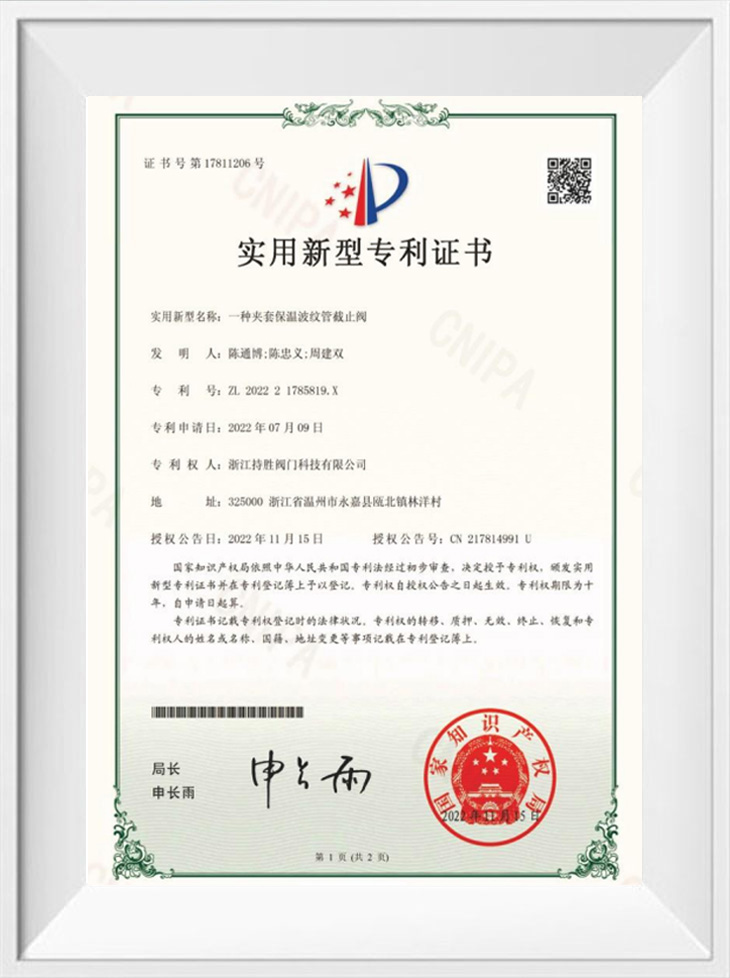
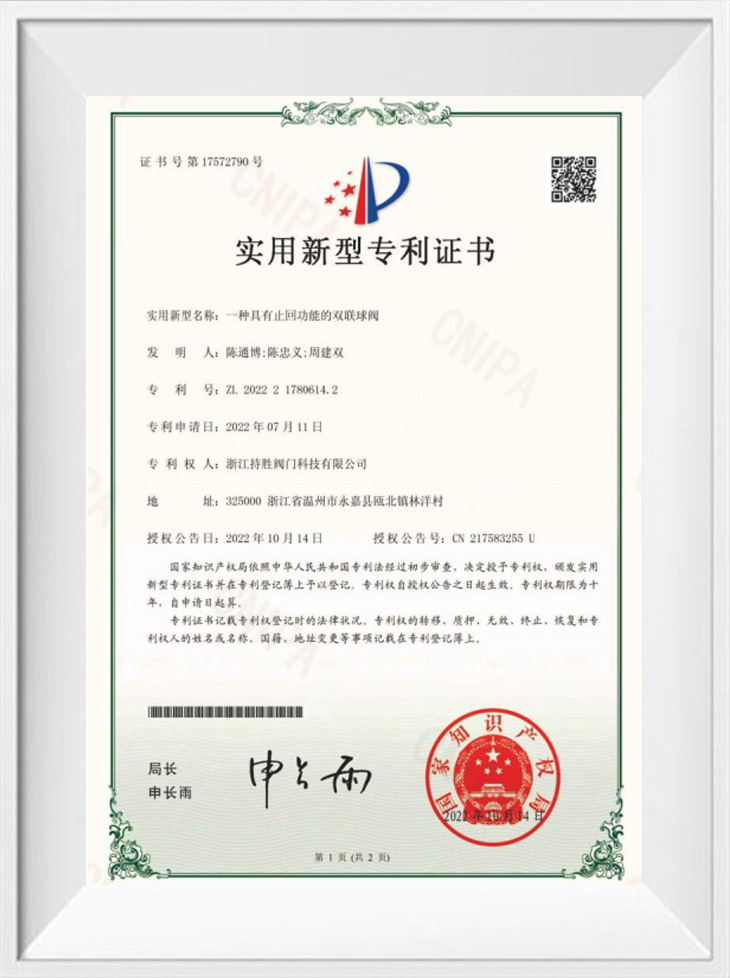
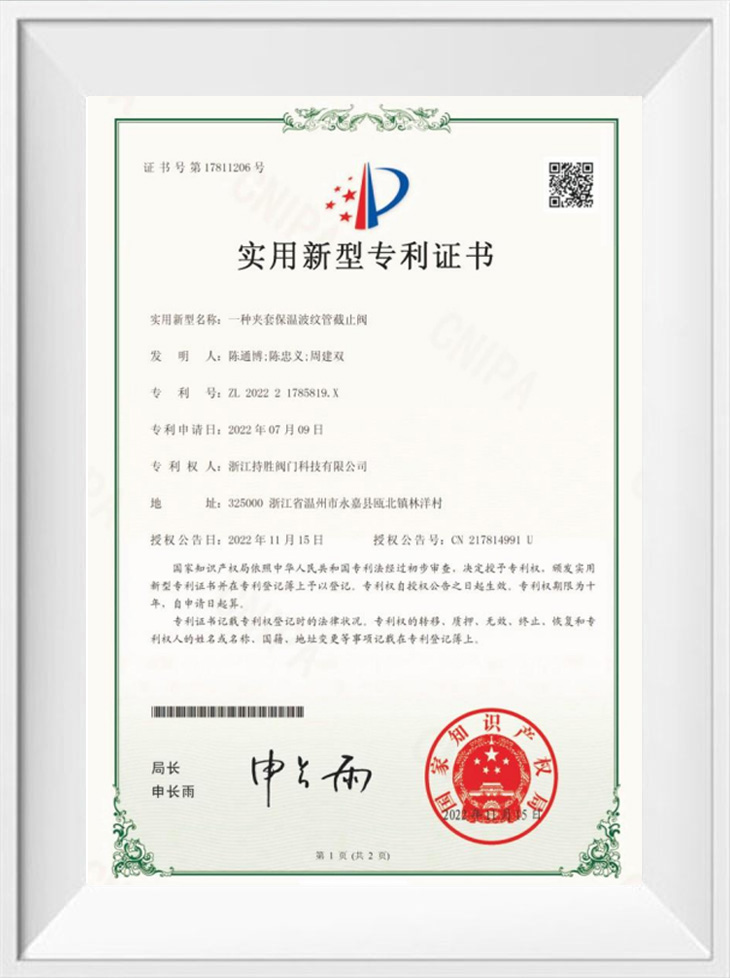
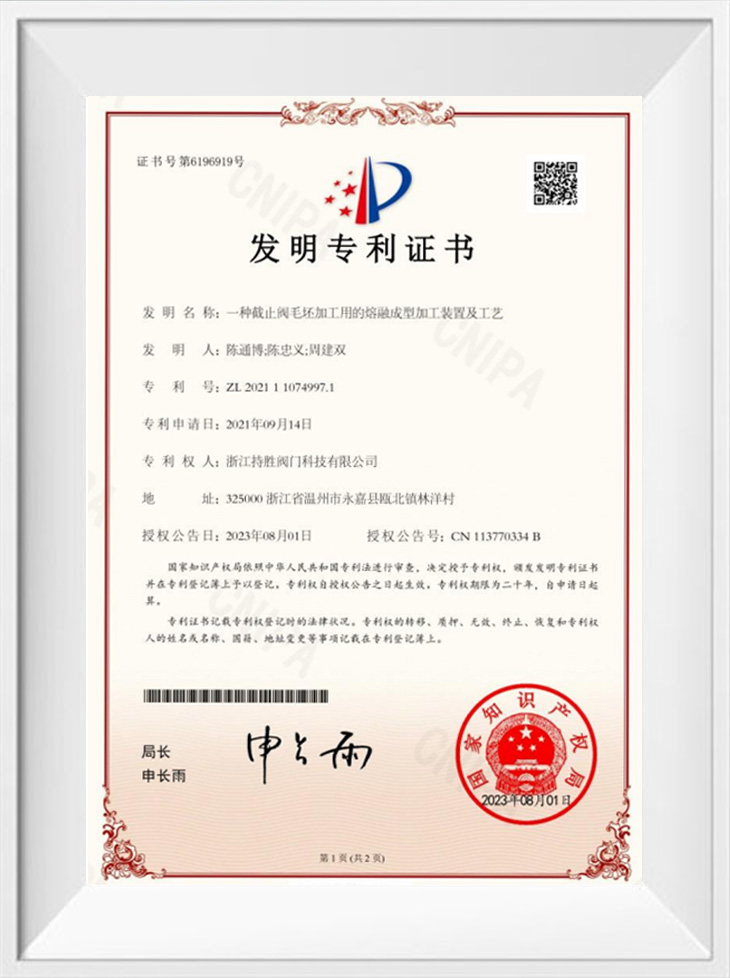
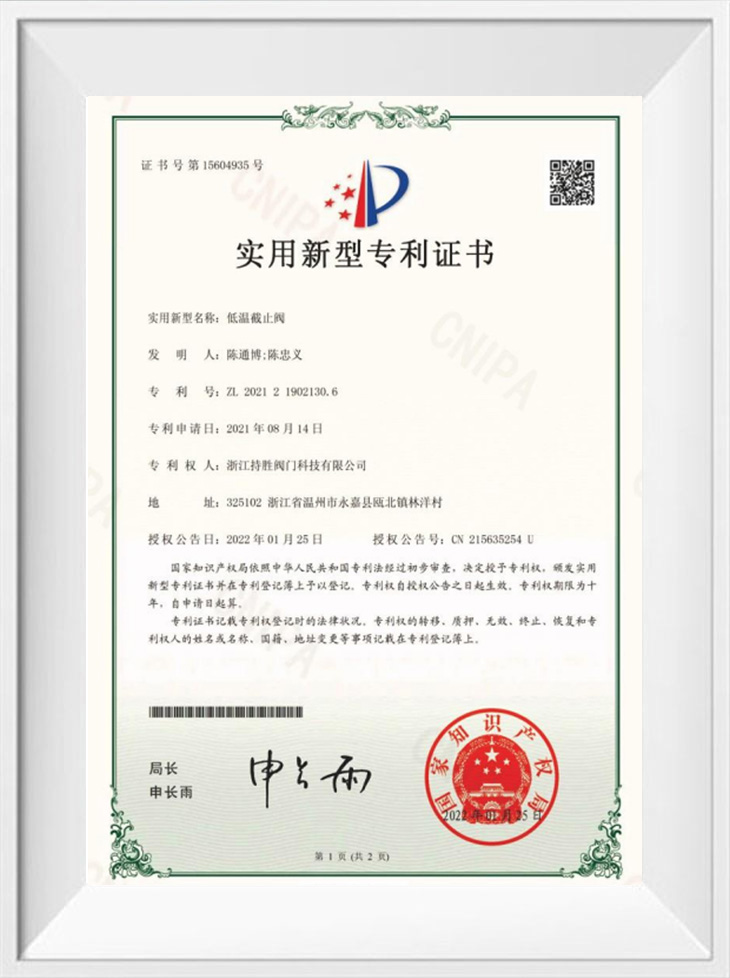
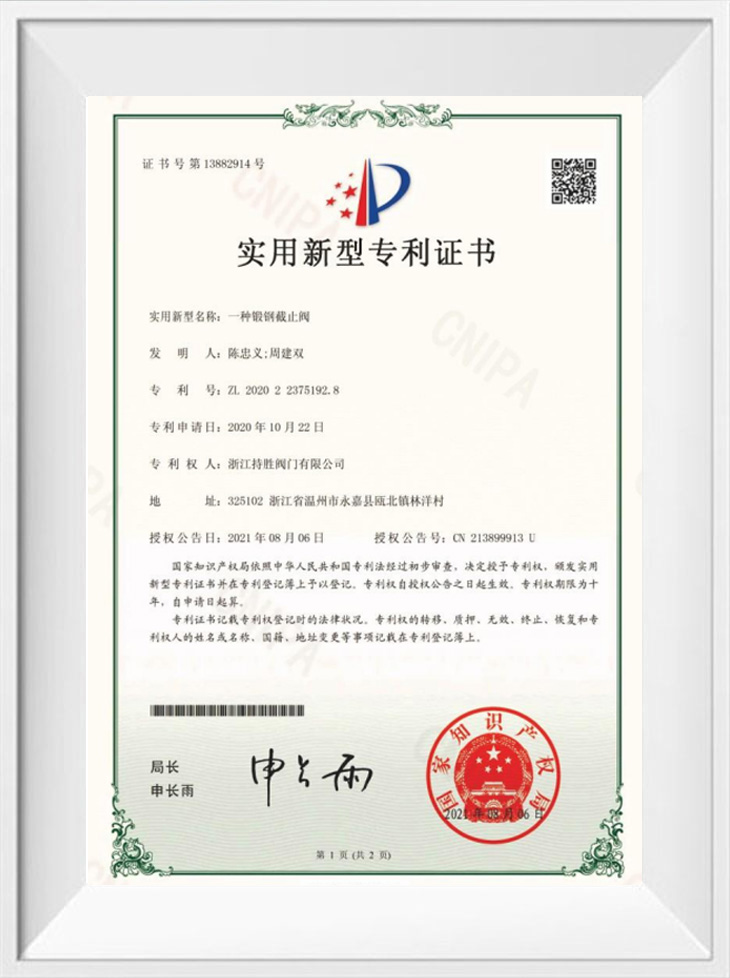
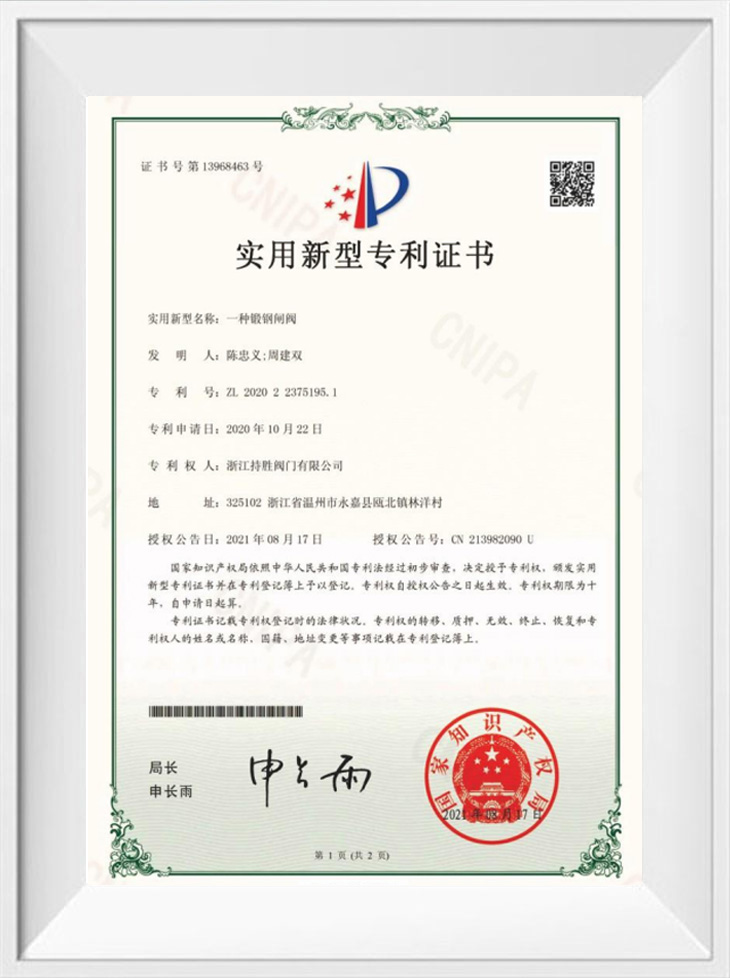
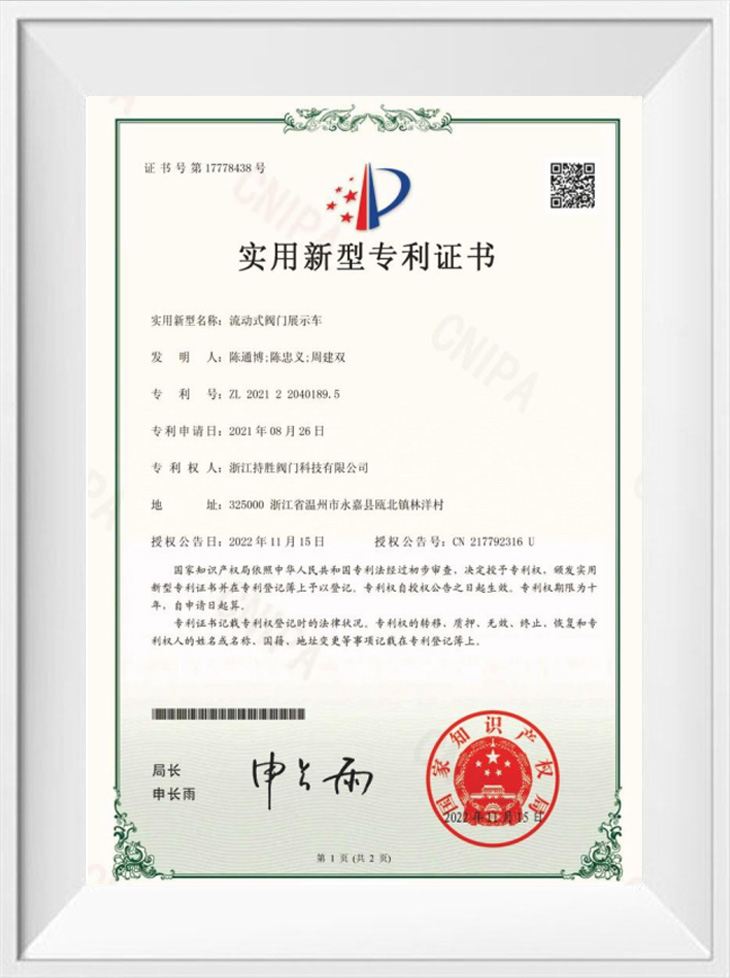
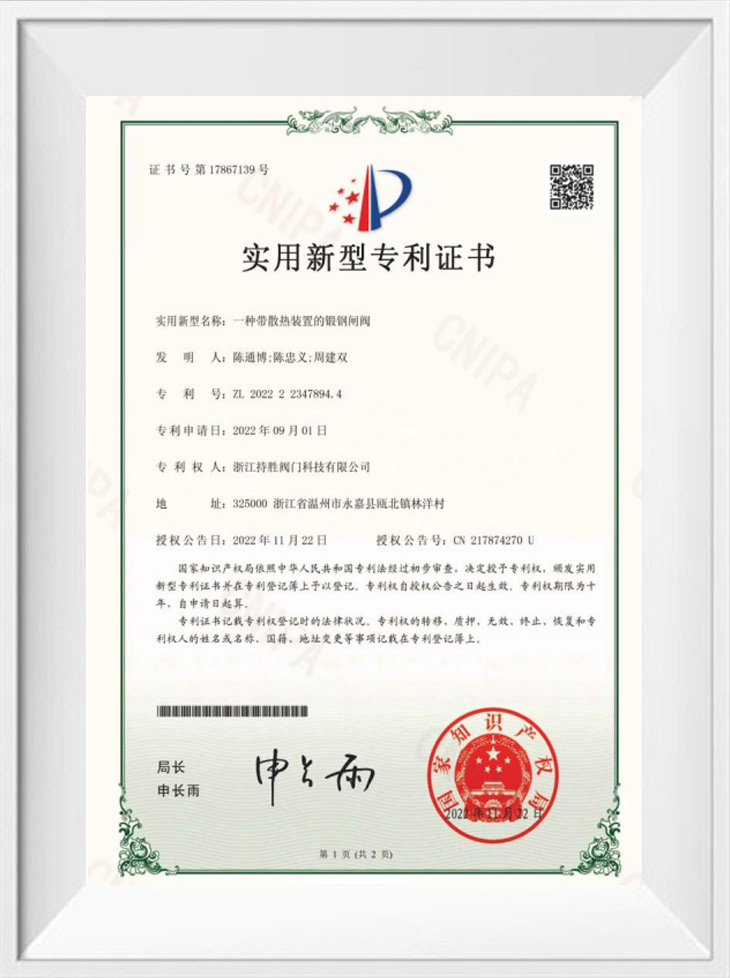
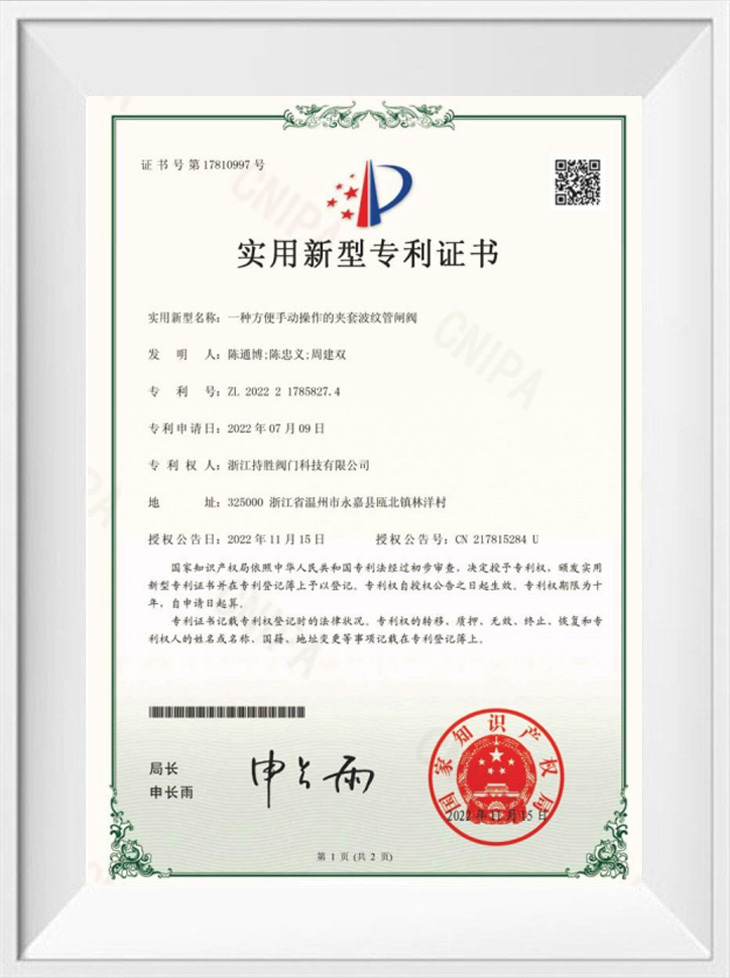
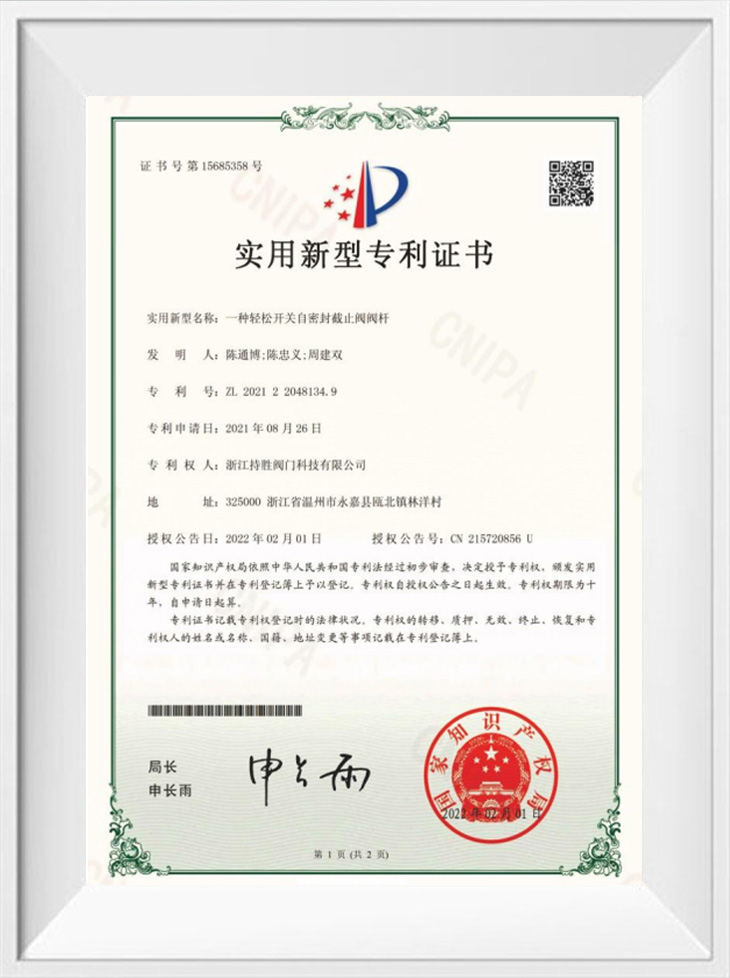
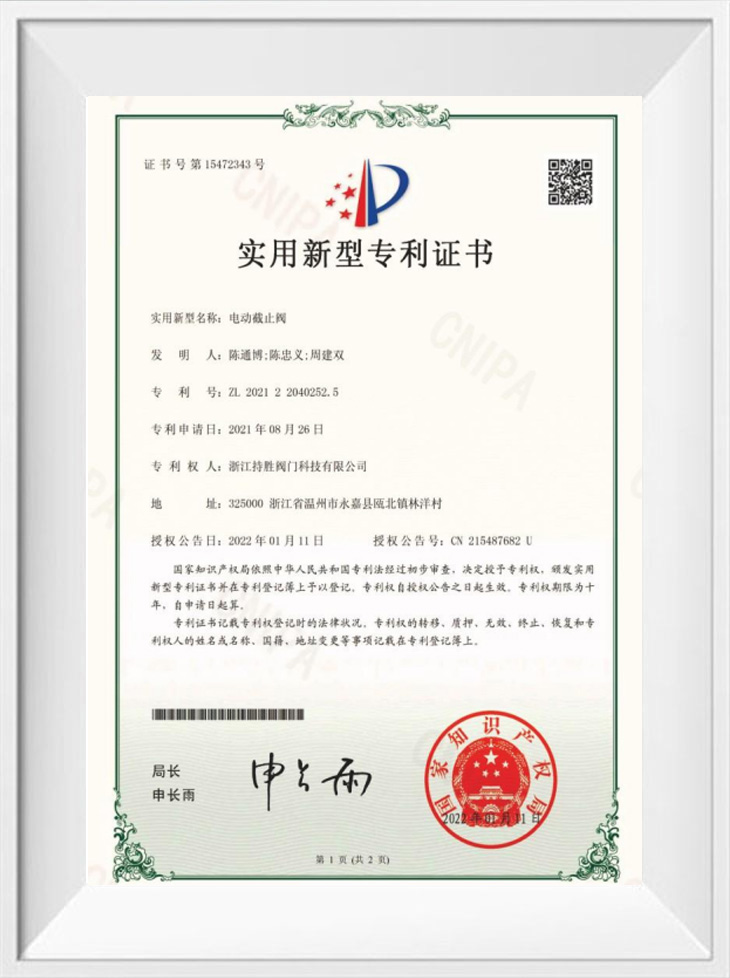
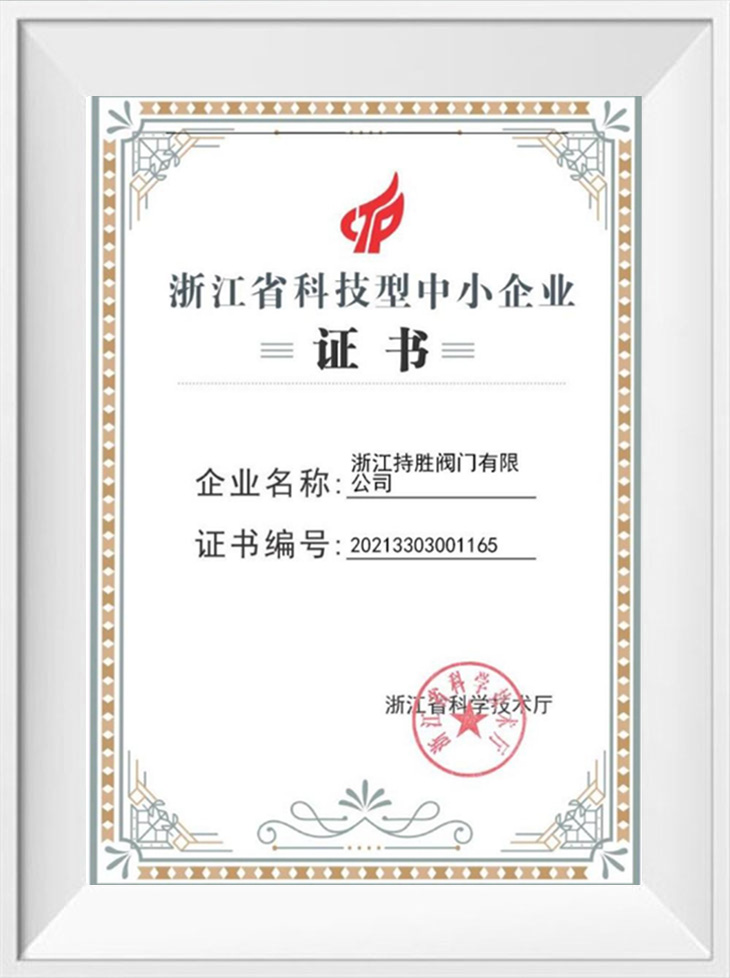
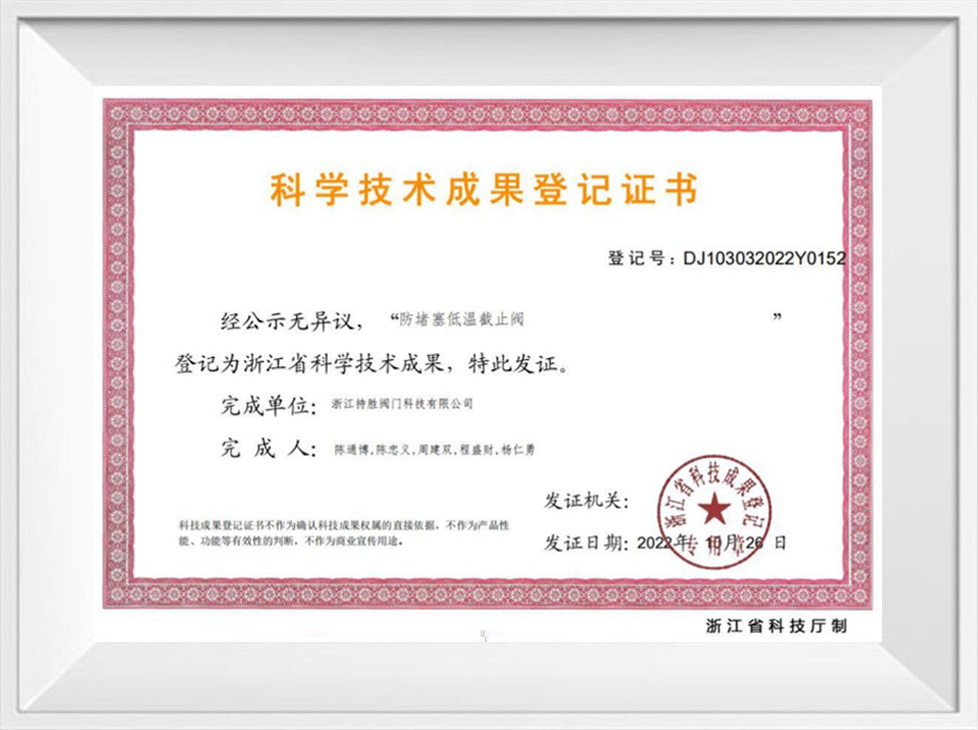
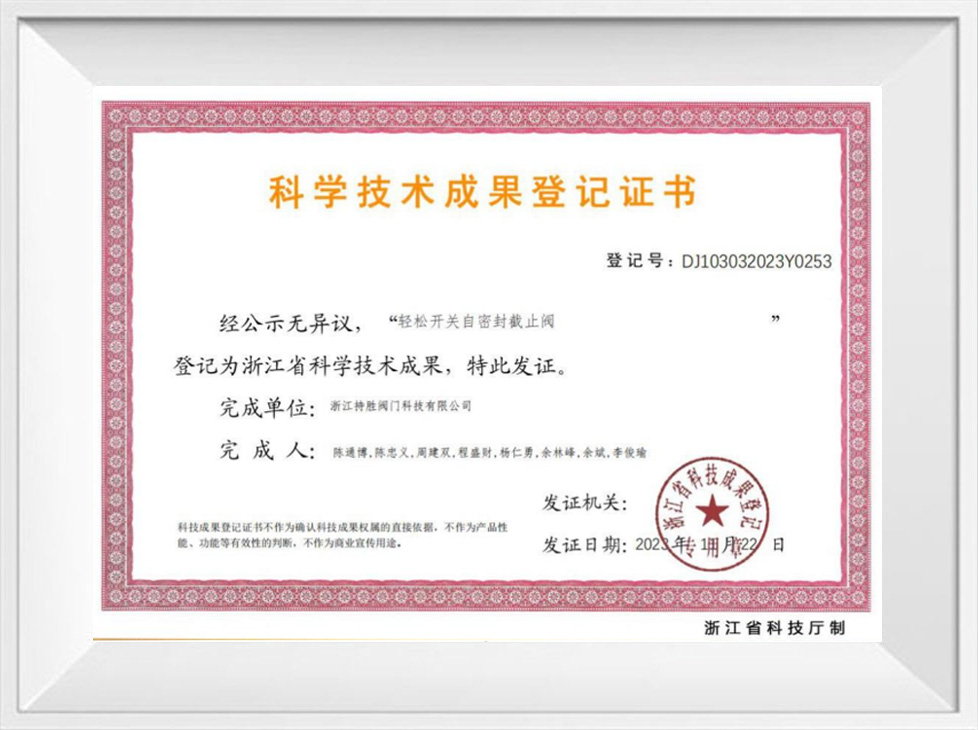
Zhejiang Chisheng Valve Technology Co., Ltd. * Zhejiang Chisheng Valve Technology Co., Ltd. * Zhejiang Chisheng Valve Technology Co., Ltd. * Zhejiang Chisheng Valve Technology Co., Ltd.
 Industry News
  Sep 11, 2026 Industry News Sep 04, 2026 Industry News Aug 28, 2026 Industry News Aug 21, 2026 Industry News Aug 14, 2026 Industry News Aug 07, 2026 Industry News Jun 15, 2026 Industry News Jun 10, 2026 Industry News Jun 08, 2026
 Walk through any refinery or power station, and you will spot globe valves on lines requiring fine flow control. Getting the best from them means matching maintenance intervals to actual duty, selecting the right body pattern, and interpreting flow data correctly. Here is what actually matters when specifying or caring for these essential components.
Ask five plant engineers about inspection frequencies, and you will hear different answers. That variation reflects how profoundly service conditions shape wear.
Starting points: Some facilities adopt a five-year baseline for moderate-duty applications. Others prefer six-month walk-down inspections catching external leaks, loose bolting, and visible corrosion early. Both have merit.
What really drives the clock: Adjust intervals based on fluid characteristics (abrasive slurries erode seats faster), actuation frequency (control valves cycling often wear quicker), and manufacturer guidance on trim metallurgy.
A practical routine: Measure body wall thickness where erosion is suspected. Cycle the valve through full travel to detect binding. Replace flange gaskets systematically—they are cheap insurance against production-stopping leaks.
The distinction lies in how fluid turns within the body, affecting pressure drop and erosion potential.
Choosing between them: Specify straight-pattern when throttling precision outweighs energy costs. Choose angle-pattern when piping naturally requires a directional change or when erosive media demand gentler handling.
Cv quantifies how much 60°F water (in GPM) passes through a fully open valve with 1 psi pressure drop. For a 3/4-inch globe valve, this figure varies noticeably.
Documented spread: Published Cv values range from roughly 4.9 to above 7.3 depending on internal port geometry and trim configuration. A threaded two-way model might land near 4.9, a hydronic version near 6.3, and a three-way mixing valve may reach 7.3.
| Application | Body Pattern | Cv Value |
| Threaded Globe Valve | 2-Way, Straight-Through | 4.9 |
| Hydronic Globe Valve | 2-Way (NPT) | 6.3 |
| 3-Way Mixing Valve | 3-Way (A-AB Flow) | 7.3 |
The takeaway: Never assume Cv based solely on size. Track down the data sheet for your specific model—inserting an incorrect value affects pump and control valve sizing.
For high-pressure steam, the Y-pattern design typically wins out.
Why Y-pattern stands apart: The stem sits at 45 degrees to the pipe, creating a nearly straight flow path. That cuts pressure drop by 30 to 50 percent relative to a T-pattern—savings that compound quickly.
Resistance to erosion: The streamlined geometry reduces turbulence and minimizes scouring of seating surfaces by high-velocity vapor.
Maintenance convenience: The angled bonnet affords straight-line access to the seat, allowing technicians to rod out scale without unbolting the valve.
A word on ratings: Standard globe valves on steam typically derate considerably—a 250 WOG valve often carries only 125 psi for steam. Y-pattern designs handle thermal cycling more robustly.
At its essence, a globe valve modulates flow. The disc travels perpendicular to a fixed seat, enabling any position from cracked open to fully closed.
| Feature | Globe Valve | Gate Valve | Ball Valve |
| Primary strength | Throttling | On-off service | On-off service |
| Pressure drop (open) | High | Very low | Low |
| Throttling suitability | Excellent | Poor | Poor |

We are a professional manufacturer of industrial valves,
specializing in gate valves, globe valves, check valves, ball valves,
and custom-engineered valve solutions.
+86-13057728556
+86-13857082222
csvalvetech@gmail.com
1st Floor, Building J, Zhuao Canaan Secondary Industrial Park, Yongjia County, Wenzhou City, Zhejiang, China
Let's Work Together

 English
 中文简体
中文简体
 русский
 Español