Zhejiang Chisheng Valve Technology Co., Ltd. * Zhejiang Chisheng Valve Technology Co., Ltd. * Zhejiang Chisheng Valve Technology Co., Ltd. * Zhejiang Chisheng Valve Technology Co., Ltd.
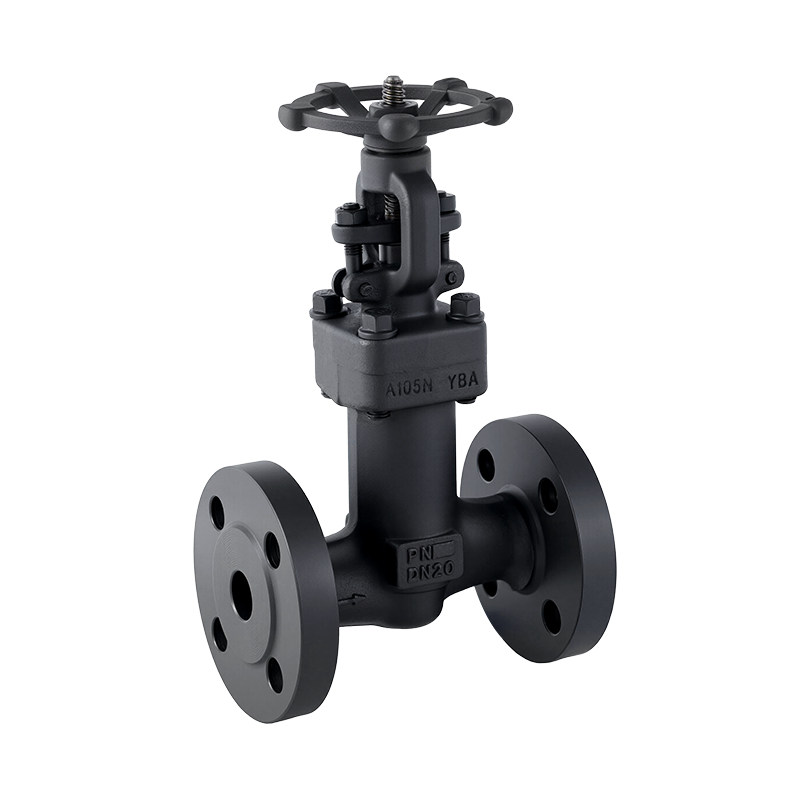
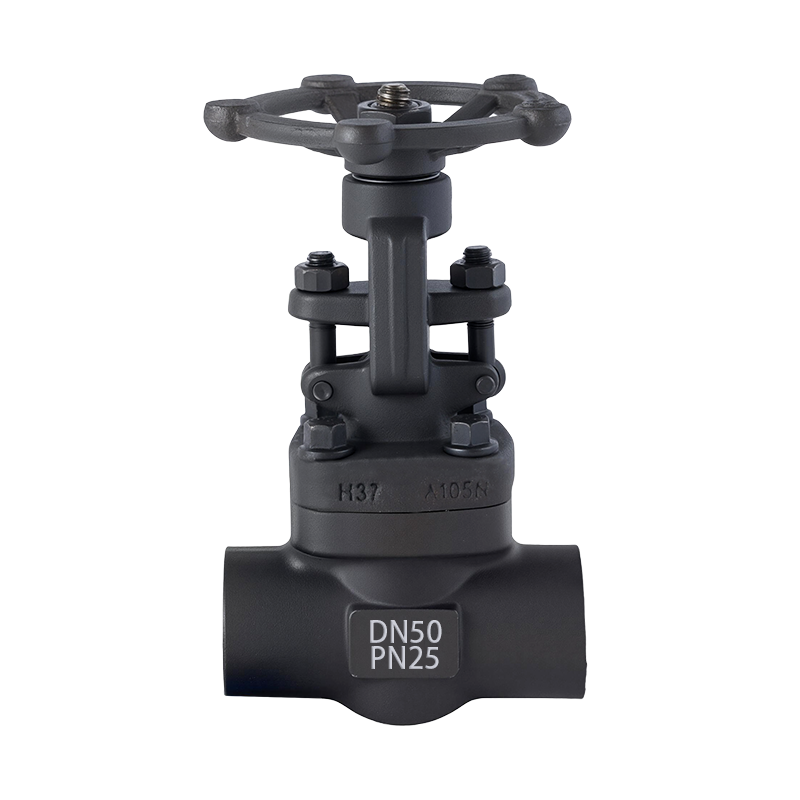
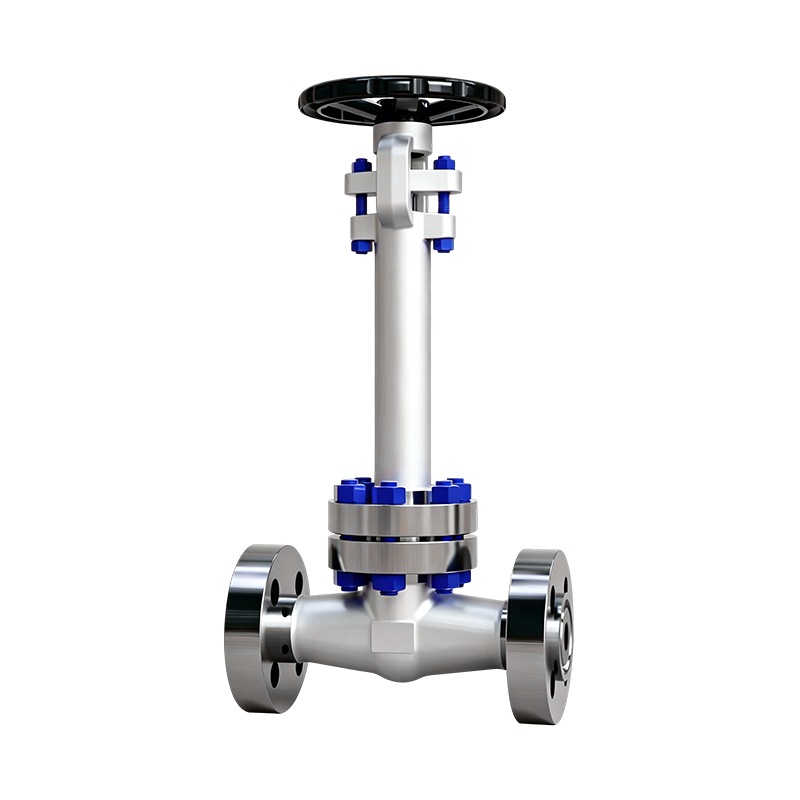
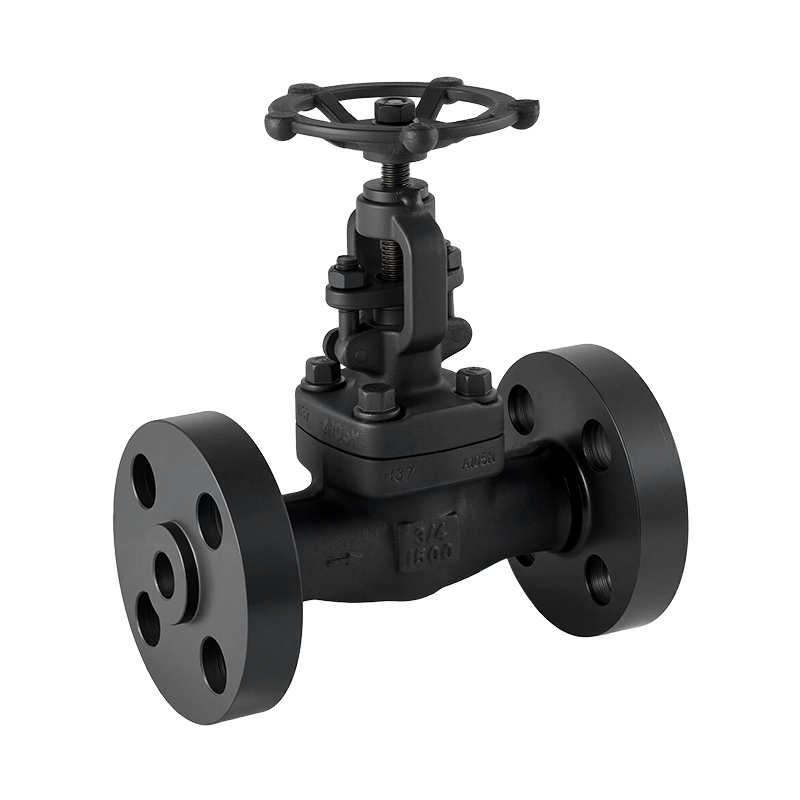
Precise fluid regulation often depends on components that appear simple but perform highly specialized tasks. A compact valve installed in a small pipeline section can influence pressure stability, process accuracy, and equipment protection. Among these solutions, the 3/4 Inch Globe Valve remains an important option for applications requiring controlled flow adjustment rather than only basic opening and closing functions.
Unlike isolation valves designed mainly for full flow or shut-off service, globe valves use a linear motion design that allows the disc and seat position to regulate fluid movement. This structure provides better control over flow changes, making small-size globe valves suitable for instrumentation systems, steam lines, hydraulic equipment, and process control applications.
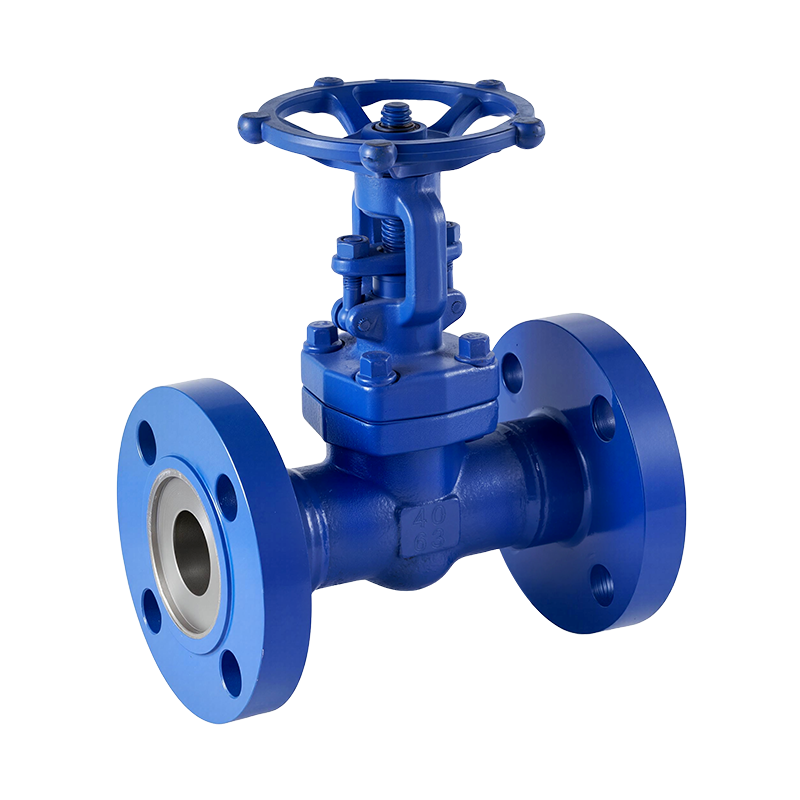
The compact dimensions of a 3/4 Inch Globe Valve make it suitable for systems where installation space is restricted. However, its smaller connection size does not reduce its importance in precision applications. Many industrial systems rely on accurate flow adjustment through smaller branches, auxiliary pipelines, and control loops.
In automated systems, even a small adjustment range can affect temperature control, pressure balance, or chemical dosing accuracy. This is why engineers often evaluate small globe valves based on control capability rather than physical size alone.
The working principle of a globe valve depends on the movement of a disc or plug against a stationary seat. As the stem moves upward or downward, the opening area between the disc and seat changes, allowing operators to regulate the amount of fluid passing through the valve.
A typical 3/4 Inch Globe Valve includes several important components that influence performance:
The controlled movement of these components allows globe valves to maintain more stable flow adjustment compared with many quarter-turn valve designs.
Precision applications often require gradual changes instead of sudden flow variations. A small globe valve provides the mechanical advantage needed for these situations.
The ability to regulate flow gradually makes globe valves valuable in systems where sudden pressure changes may affect downstream equipment.
The operating environment determines which materials are suitable for a small globe valve. Different fluids and temperatures require different body, trim, and sealing materials.
Material selection directly affects pressure capability, temperature range, and compatibility with the working fluid. Engineers usually consider these factors together with connection type and operating conditions.
Although the valve size is only 3/4 inch, several technical details influence whether it fits a specific system.
Correct sizing is essential because an oversized valve may reduce control accuracy, while an undersized valve may create unnecessary pressure loss. Valve engineers typically analyze flow demand, pressure difference, and operating frequency before finalizing specifications.
Modern industrial equipment continues moving toward smaller footprints and higher control accuracy. This trend increases demand for compact valves that provide reliable adjustment without requiring large installation spaces.
Manufacturers are developing improved trim designs, better sealing technologies, and actuator-compatible solutions to support automated process control. Advanced designs may include low-friction stems, optimized flow passages, and materials engineered for challenging media.
These improvements allow small globe valves to support applications that previously depended on larger control equipment.
A 3/4 Inch Globe Valve demonstrates that size is only one part of valve performance. Internal geometry, material selection, sealing structure, and pressure capability all influence how effectively the valve operates.
For systems requiring accurate throttling and stable flow adjustment, small globe valves continue to provide a practical solution. Their compact design combined with precise control characteristics makes them suitable for many modern industrial applications where every adjustment matters.

We are a professional manufacturer of industrial valves,
specializing in gate valves, globe valves, check valves, ball valves,
and custom-engineered valve solutions.
+86-13057728556
+86-13857082222
csvalvetech@gmail.com
1st Floor, Building J, Zhuao Canaan Secondary Industrial Park, Yongjia County, Wenzhou City, Zhejiang, China
Let's Work Together

 English
 中文简体
中文简体
 русский
 Español