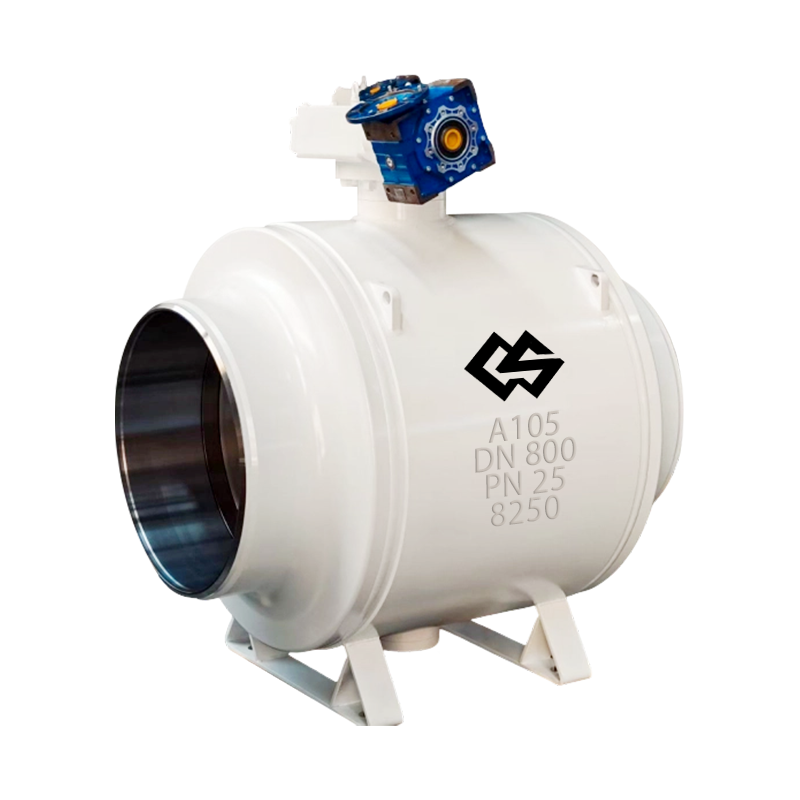
Zhejiang Chisheng Valve Technology Co., Ltd. * Zhejiang Chisheng Valve Technology Co., Ltd. * Zhejiang Chisheng Valve Technology Co., Ltd. * Zhejiang Chisheng Valve Technology Co., Ltd.
The internal structure of a valve determines how it performs under pressure, temperature changes, and continuous operation. Among industrial shut-off solutions, the trunnion ball valve has become a widely discussed design because of its stable support structure and reliable sealing mechanism. Engineers today pay closer attention to internal components, material selection, pressure capability, and operating conditions rather than only focusing on external dimensions.
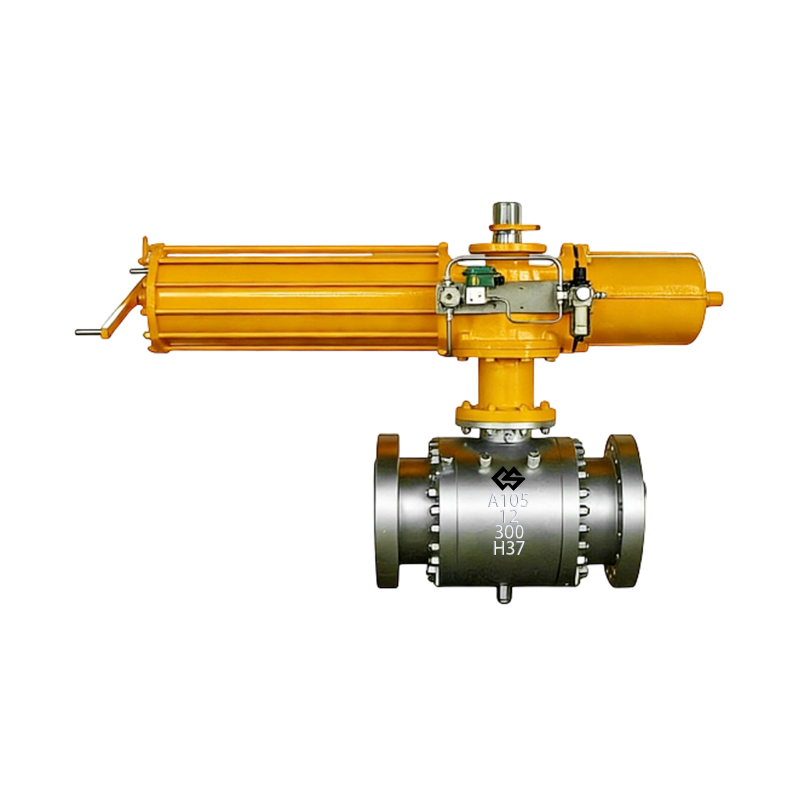
A Stainless Steel Trunnion Ball Valve represents a combination of corrosion-resistant materials and a fixed-ball support design. This configuration is commonly used in demanding applications such as oil and gas pipelines, chemical processing systems, marine facilities, and high-pressure fluid transportation. Understanding the design details helps engineers match valve performance with specific system requirements.
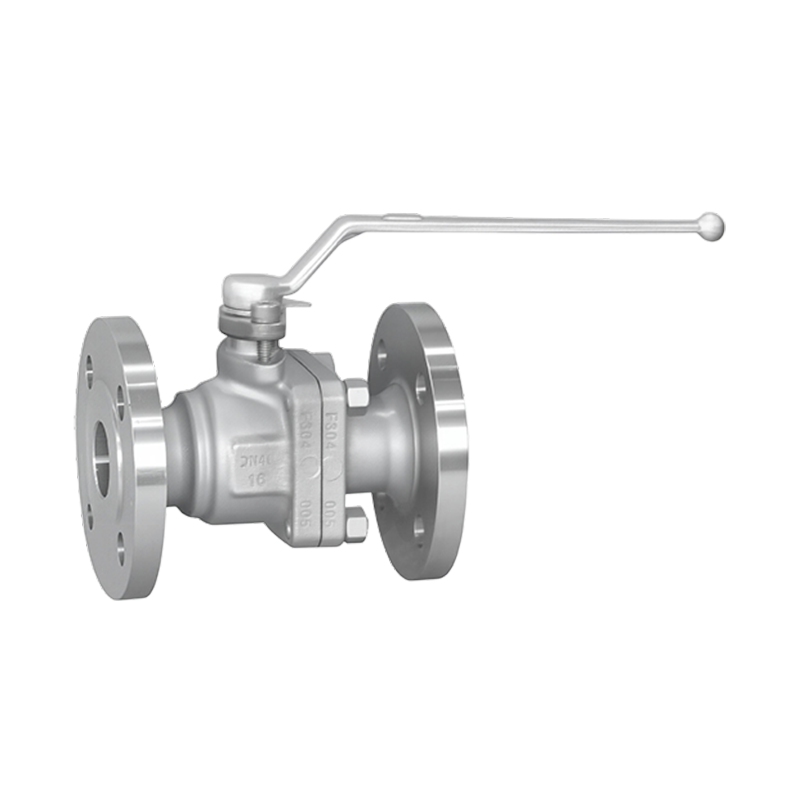
The key difference between a trunnion ball valve and a floating ball valve is the way the ball is supported. A floating ball relies on line pressure to push the ball toward the downstream seat, while a trunnion design uses upper and lower supports to hold the ball in a fixed position. This structure distributes mechanical loads more evenly and reduces stress on the sealing area.
This design becomes especially valuable in large-diameter pipelines or systems operating under higher pressure because the ball movement is controlled instead of relying entirely on fluid force.
Material choice directly affects corrosion resistance, temperature tolerance, and service reliability. Stainless steel grades are frequently considered for applications where the valve may contact aggressive fluids or humid environments.
A typical stainless steel trunnion ball valve may use stainless steel components such as the ball, stem, and body materials according to project requirements. Some designs also include hard surface treatments on sealing areas to improve wear resistance during repeated operation.
Sealing performance is one of the main factors engineers evaluate during valve specification. Modern trunnion ball valves usually combine spring-loaded seats with pressure-assisted sealing structures.
Many industrial users require bubble-tight shut-off performance, especially in systems transporting gas, chemicals, or valuable process fluids. The combination of fixed ball support and advanced seat design helps reduce leakage risks during operation.
Modern valve evaluation involves more than checking valve size. Engineers usually review several technical factors before approving a design:
For example, a pipeline requiring automated emergency shut-off may prioritize low operating torque and actuator compatibility, while a chemical processing system may focus more on corrosion resistance and sealing materials.
Industrial systems are becoming more complex, creating new expectations for valve performance. Engineers are looking beyond traditional shut-off functions and considering factors such as automation integration, pressure management, and long-term operational stability.
Valve technology continues to develop with improvements in materials, manufacturing accuracy, and smart monitoring systems. Engineers are increasingly interested in designs that support predictive maintenance, automated operation, and improved safety monitoring.
Future valve solutions may include enhanced surface treatments, advanced sealing materials, and digital monitoring features that provide operating information in real time. These developments help industrial systems achieve more controlled operation while reducing unexpected downtime.
The internal design of a trunnion ball valve reveals why this structure remains important in demanding industrial applications. Support components, sealing systems, material selection, and pressure handling capability all influence the final performance of the valve.
A Stainless Steel Trunnion Ball Valve is not simply a shut-off component; it is a carefully engineered solution designed around reliability, fluid control, and long-term service requirements. As industrial systems continue to demand higher safety standards and more precise operation, detailed valve design will remain a key consideration for engineers worldwide.

We are a professional manufacturer of industrial valves,
specializing in gate valves, globe valves, check valves, ball valves,
and custom-engineered valve solutions.
+86-13057728556
+86-13857082222
csvalvetech@gmail.com
1st Floor, Building J, Zhuao Canaan Secondary Industrial Park, Yongjia County, Wenzhou City, Zhejiang, China
Let's Work Together

 English
 中文简体
中文简体
 русский
 Español