Zhejiang Chisheng Valve Technology Co., Ltd. * Zhejiang Chisheng Valve Technology Co., Ltd. * Zhejiang Chisheng Valve Technology Co., Ltd. * Zhejiang Chisheng Valve Technology Co., Ltd.
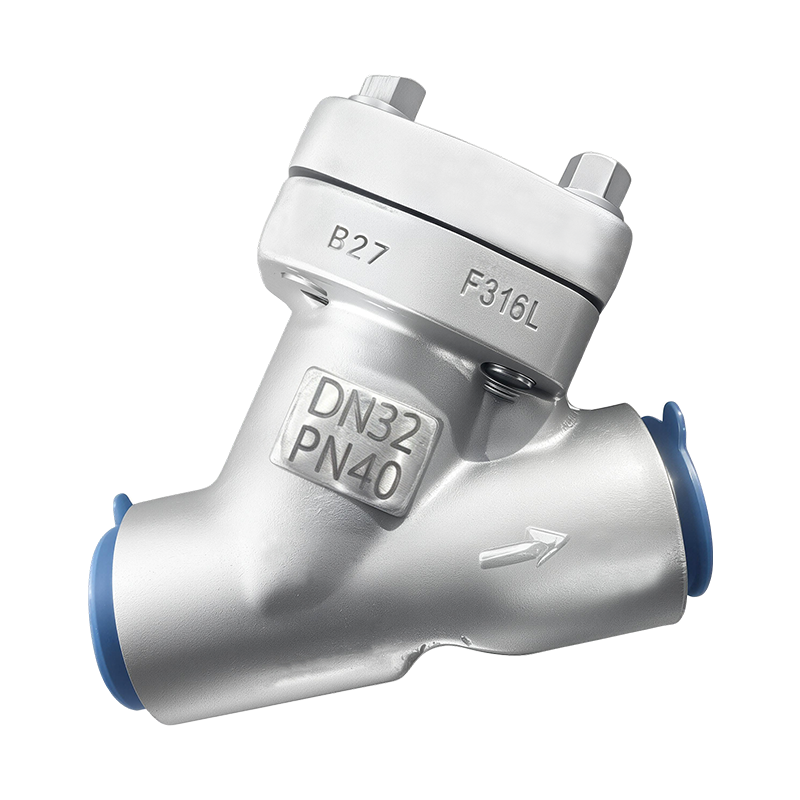
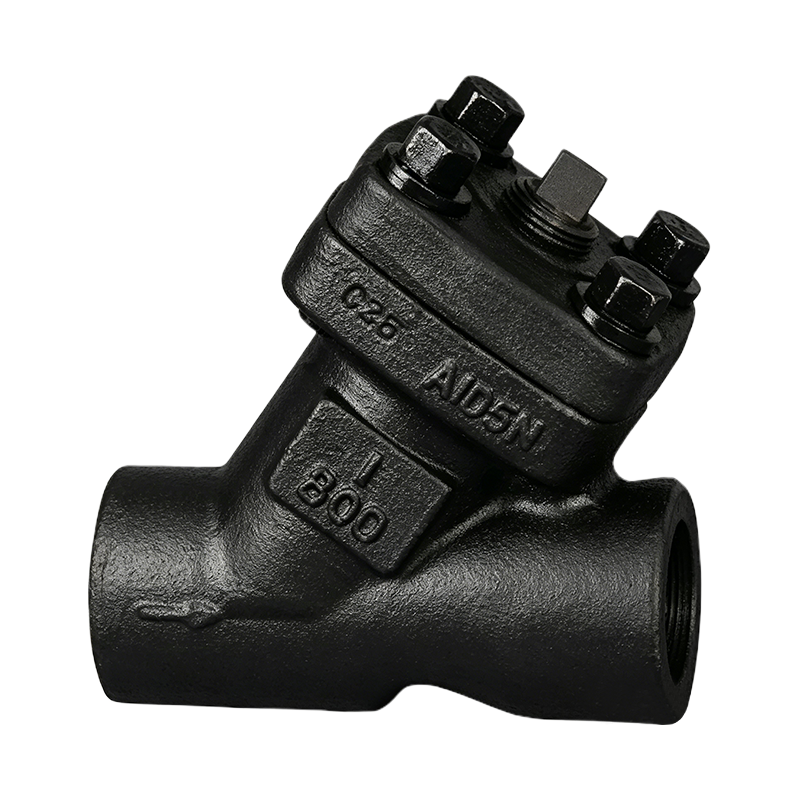
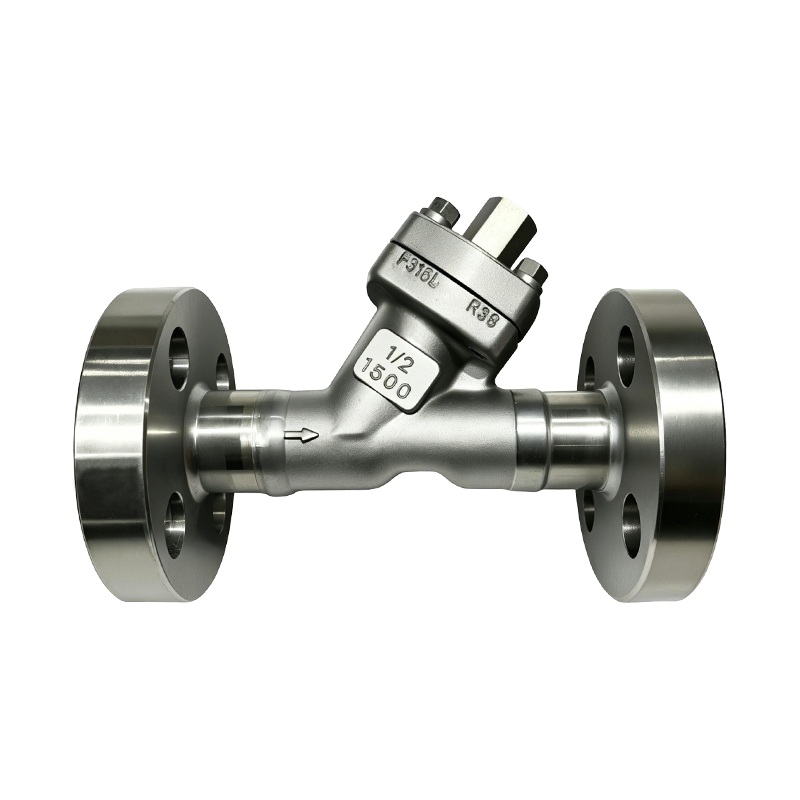
Y-strainer is a pipe filter that removes solid debris from flowing media. It sits upstream of equipment like pumps, pressure valves, and steam traps to catch rust, sand, weld slag, or other particles before they cause wear or blockages.
Specific Applications
You’ll find Y-strainers in oil and gas pipelines, chemical plants, power stations, pharmaceutical lines, food and beverage production, and municipal water systems. They handle media ranging from water, ammonia, and hydrocarbons to caustic soda, liquid methane, and even beer or dairy products.
Key Features
Efficient Y‑Pattern Debris Removal – As a Y-strainer, the Y‑shaped body collects solids while media flows straight through. Designed as a pipeline Y-type strainer to protect pumps, pressure valves, and steam traps from rust, sand, weld slag, and particles.
Industrial‑Grade Filtration – Double‑layer stainless steel mesh with an open area 3–4× the pipe cross‑section. Mesh: 18–30 for water, 40–100 for air, 100–480 for oil. Our industrial Y strainers handle oil/gas pipelines, chemical plants, power stations, pharmaceuticals, food/beverage, and municipal water.
Wide Operating Range – PN1.6–32.0 MPa, -80°C to 450°C. Housing in carbon steel, SS304, or SS316L. Seals: PTFE, NBR, or oil‑resistant asbestos. Suitable for water, ammonia, hydrocarbons, caustic soda, liquid methane, and even beer/dairy.
Heavy‑Duty & Customizable – Custom mesh ratings for special fluids. Alternative body/seal materials for corrosive or high‑temp conditions. Blowdown ports or backwash designs available. End connections: flanged, threaded, or welded to DIN, ANSI, JIS, or BS. Sizes beyond standard inventory on request.
Quality Certification
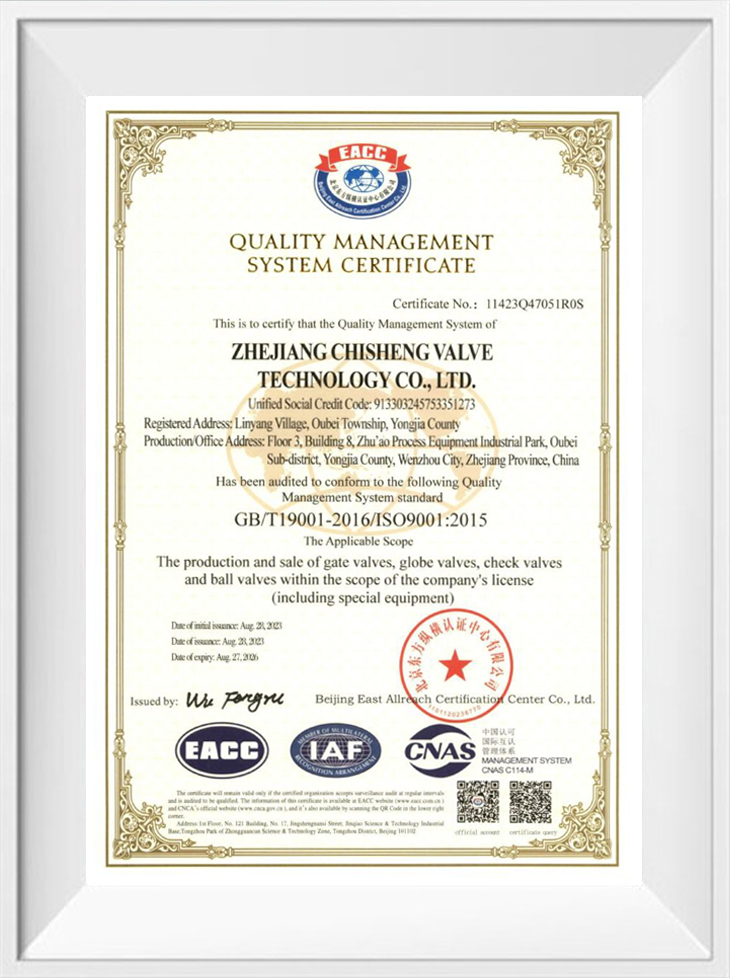
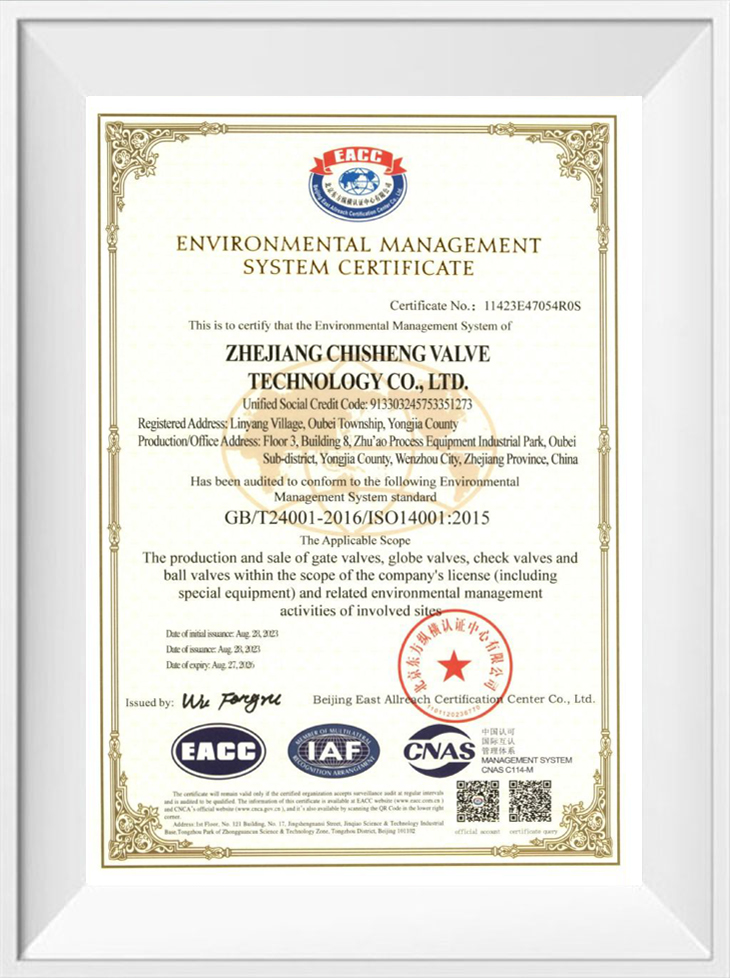
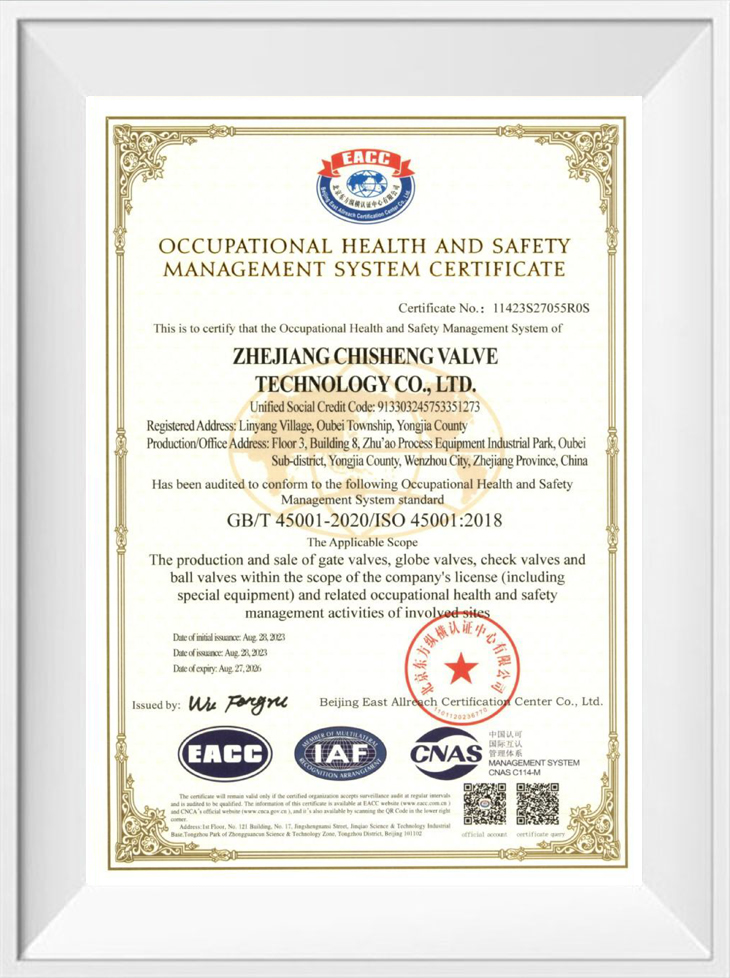
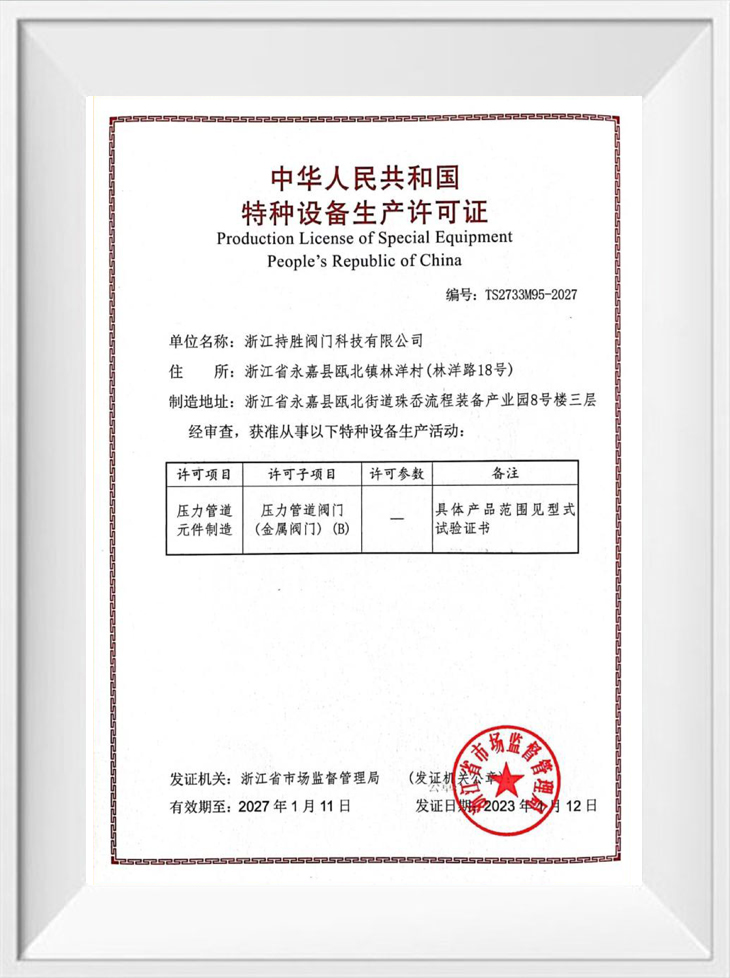
We hold ISO 9001, ISO 14001, and ISO 45001 certifications, plus a special equipment production license (TS). Our products are made to API, ANSI, JIS, ISO, BS, JB, and GB standards. This covers material checks, non‑destructive testing, precise measurements, and valve strength/sealing performance.
Custom Manufacturing Services
You send us a drawing or sample, and we review the requirements. Then we confirm the drawing and give you a quote — faster if you provide a 3D model. After order confirmation, we schedule batch production.
Zhejiang Chisheng Valve Technology Co., Ltd. * Zhejiang Chisheng Valve Technology Co., Ltd. * Zhejiang Chisheng Valve Technology Co., Ltd. * Zhejiang Chisheng Valve Technology Co., Ltd.
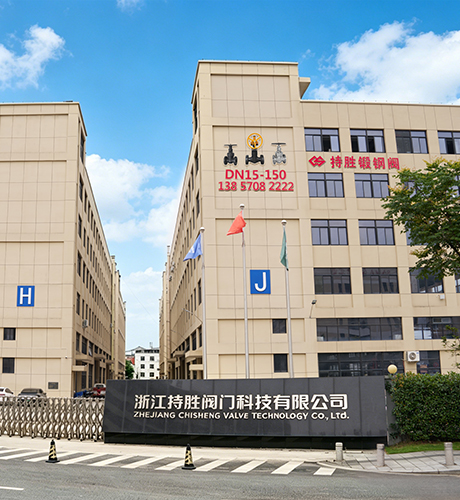

Zhejiang Chisheng Valve Technology Co., Ltd. is located in Oubei, Wenzhou, the famous "Hometown of Pumps & Valves in China". We are a professional manufacturer integrated with R&D, production and sales, specializing in forged steel ball valves, as well as various forged steel gate valves, globe valves, check valves, cryogenic valves, vent & drain valves, integral flange forged steel valves and self-sealing forged steel valves.
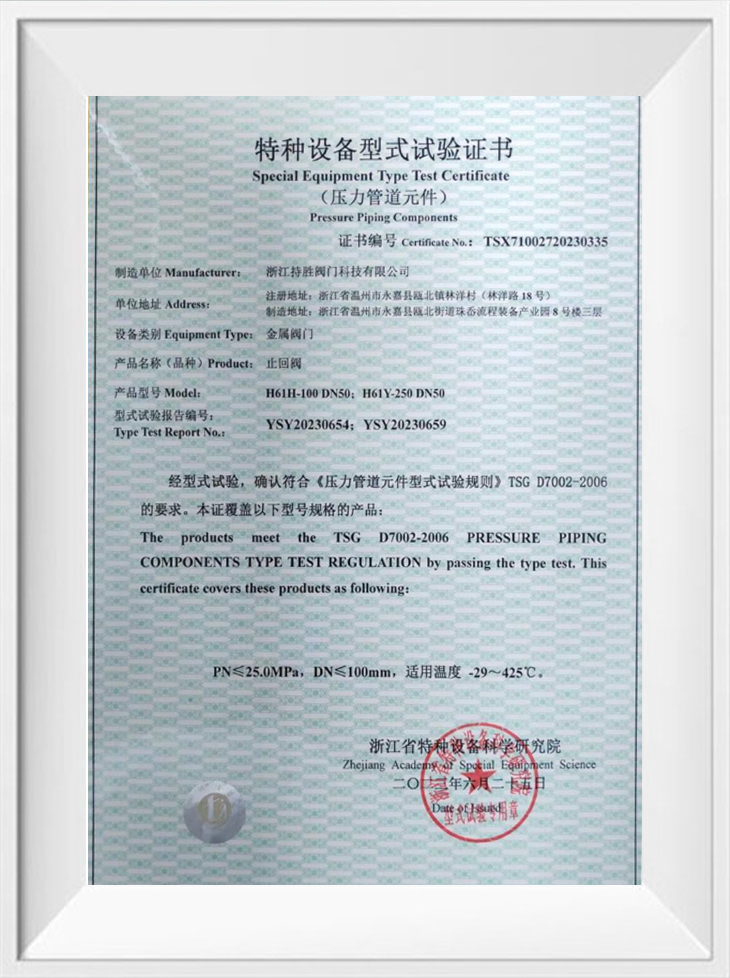
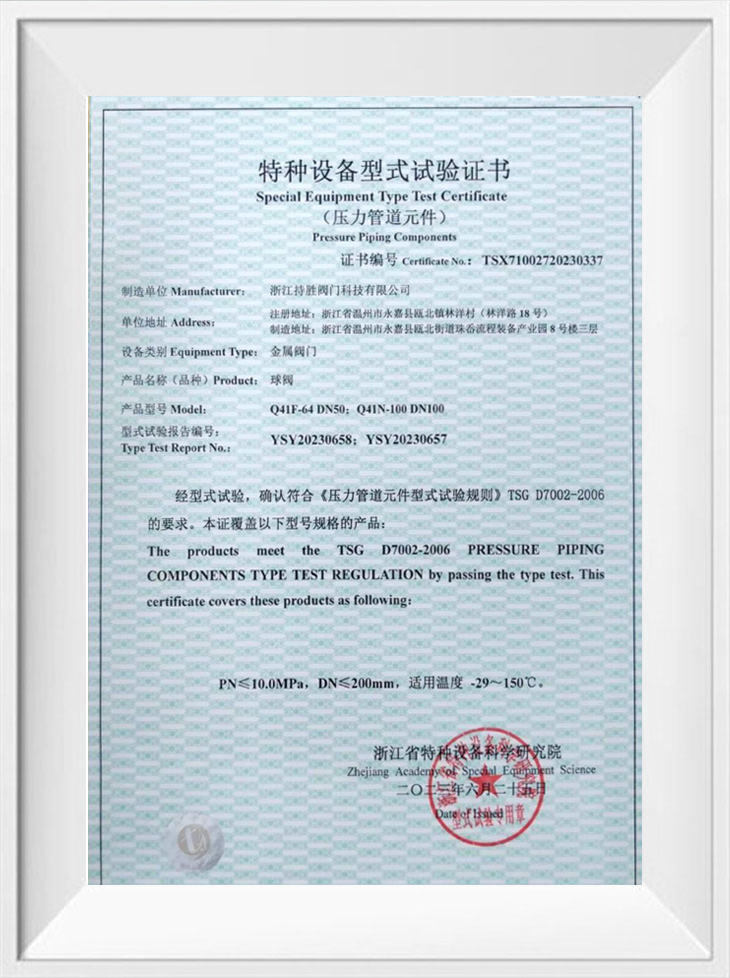
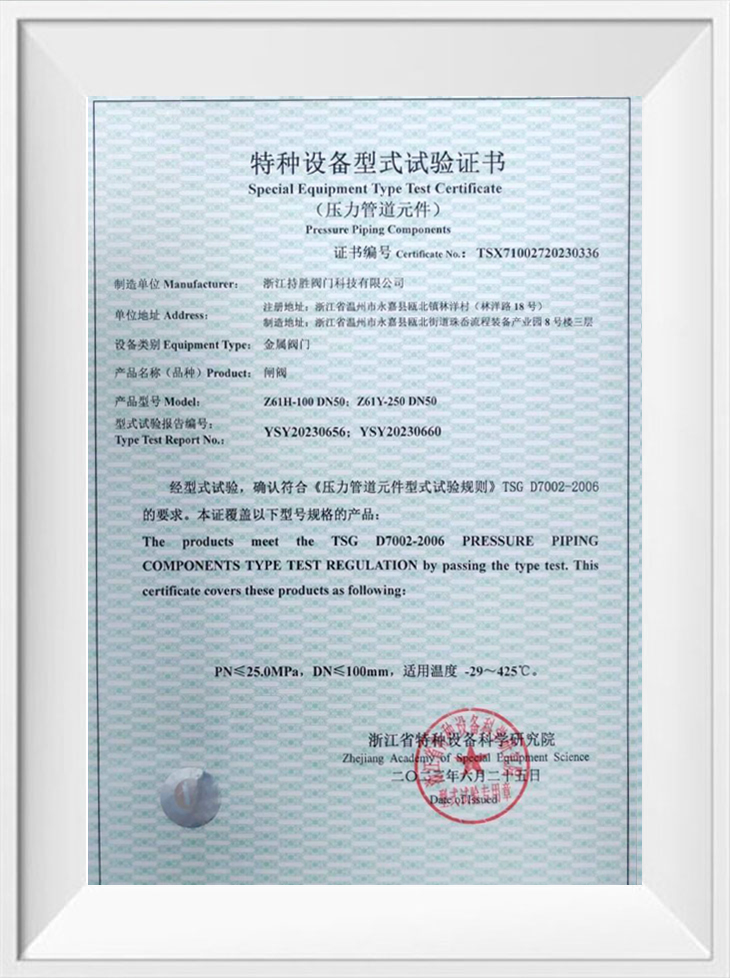
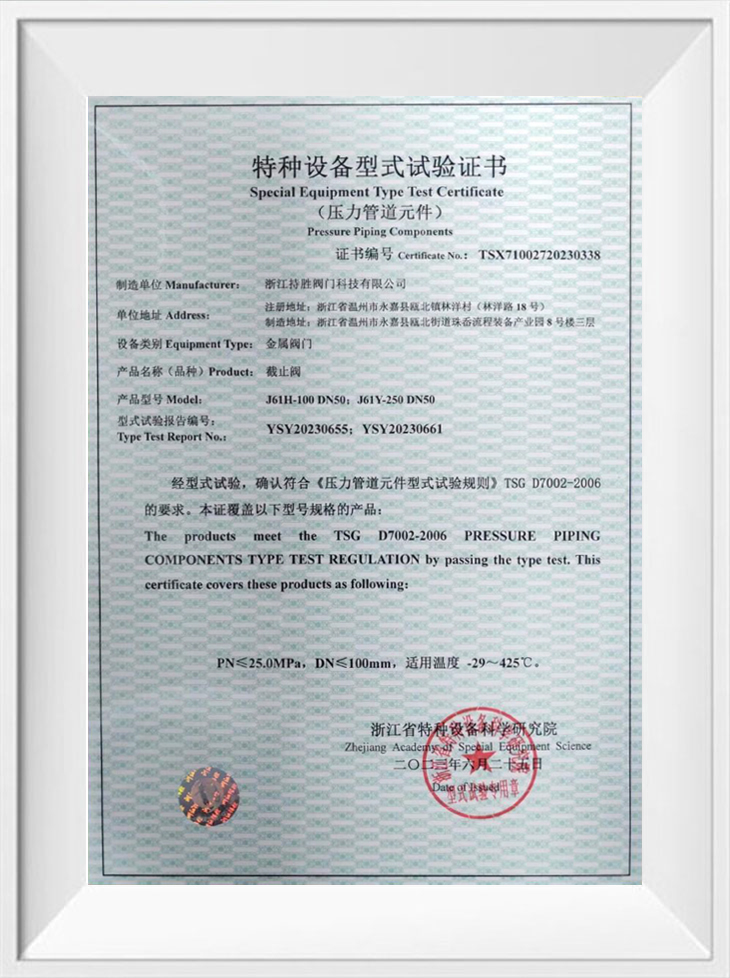
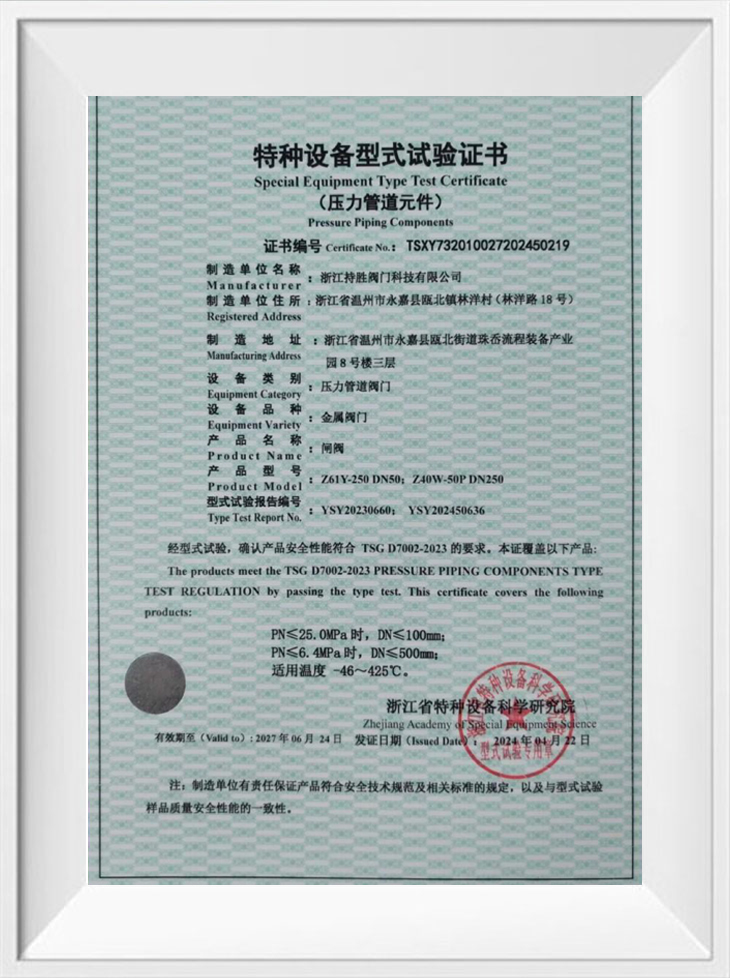
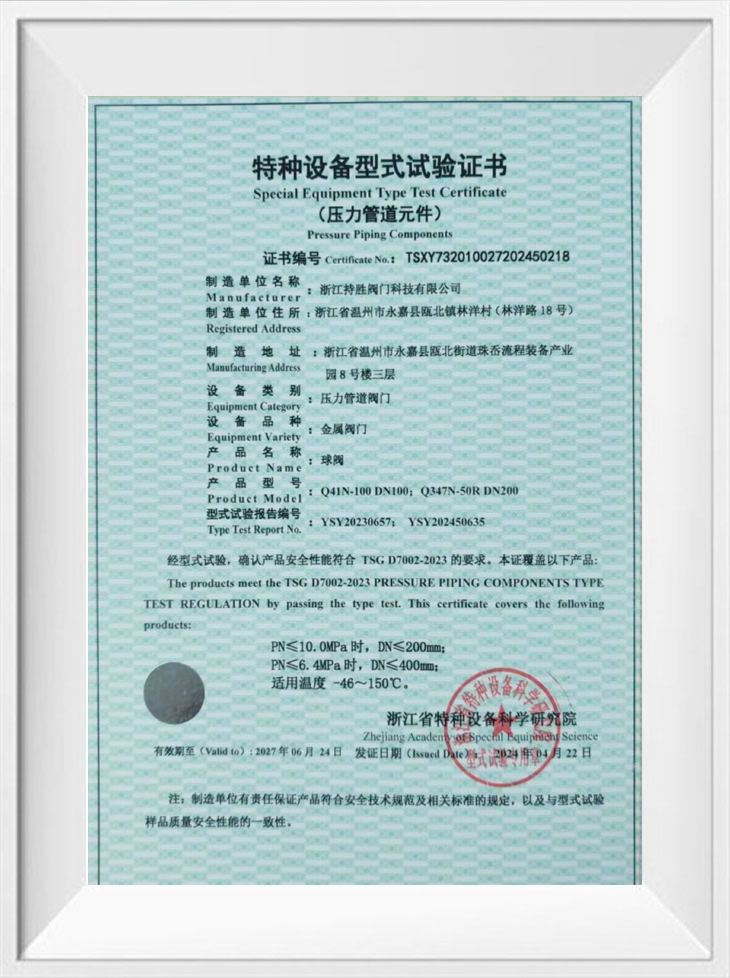
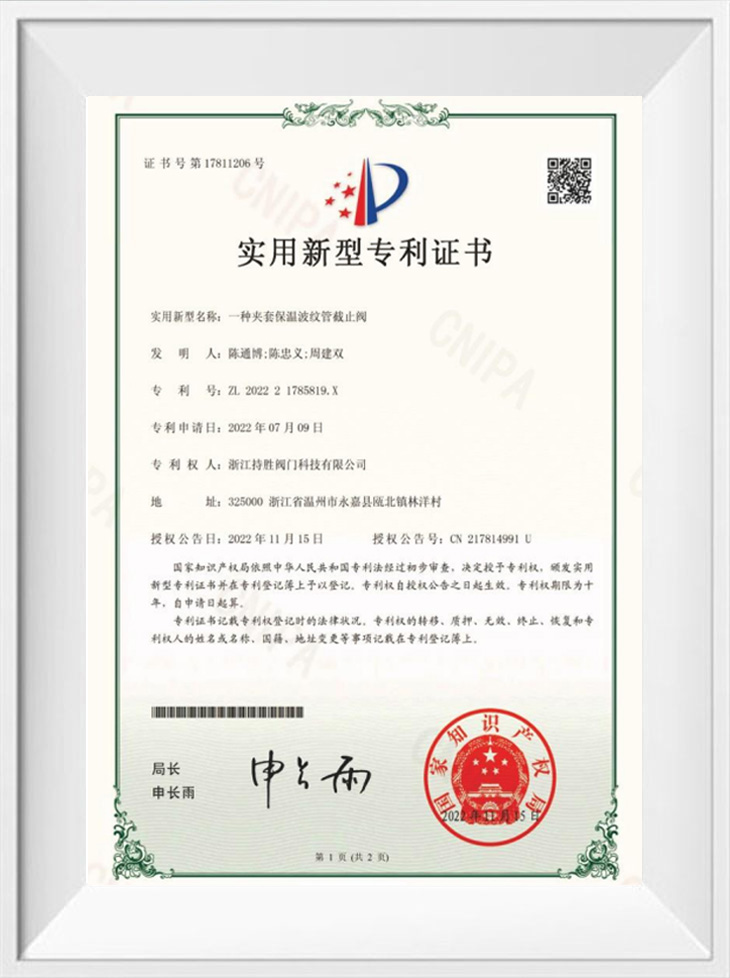
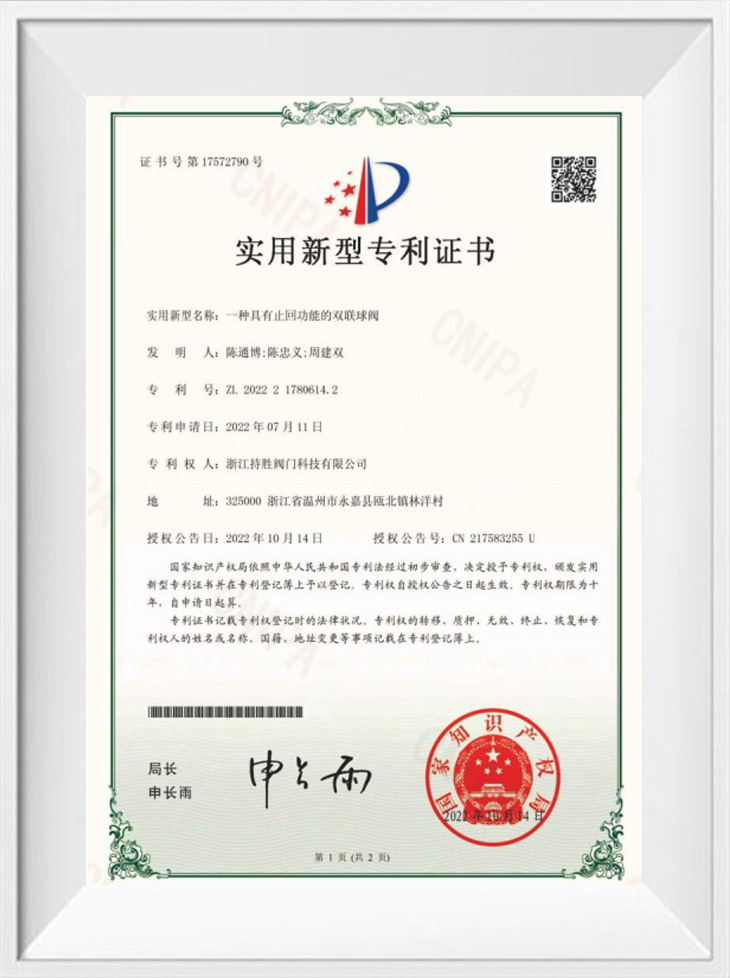
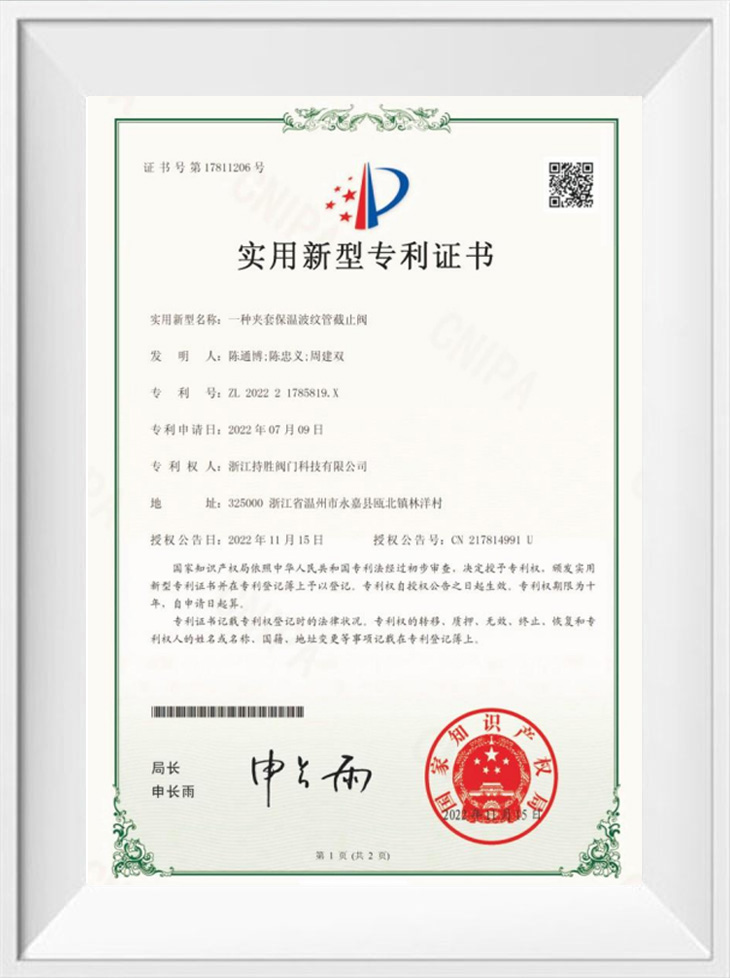
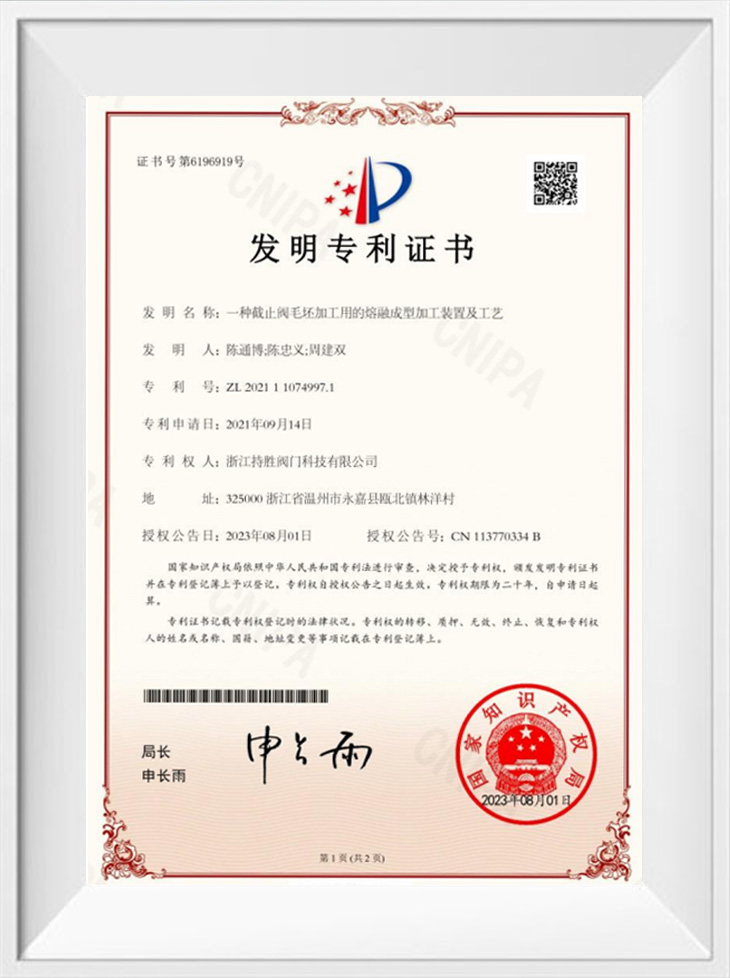
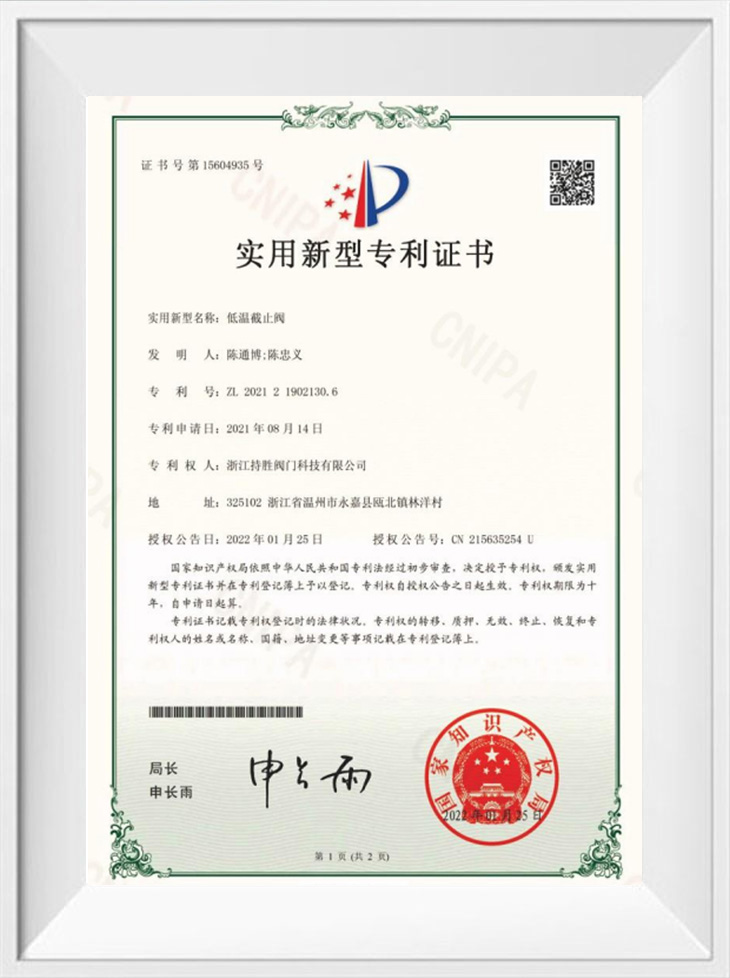
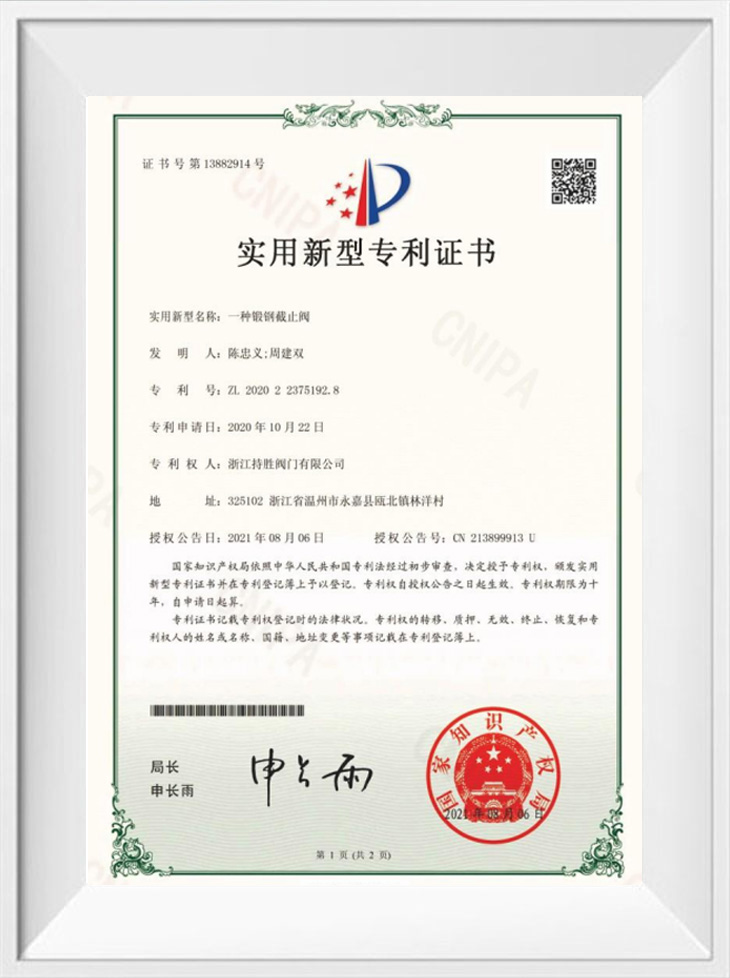
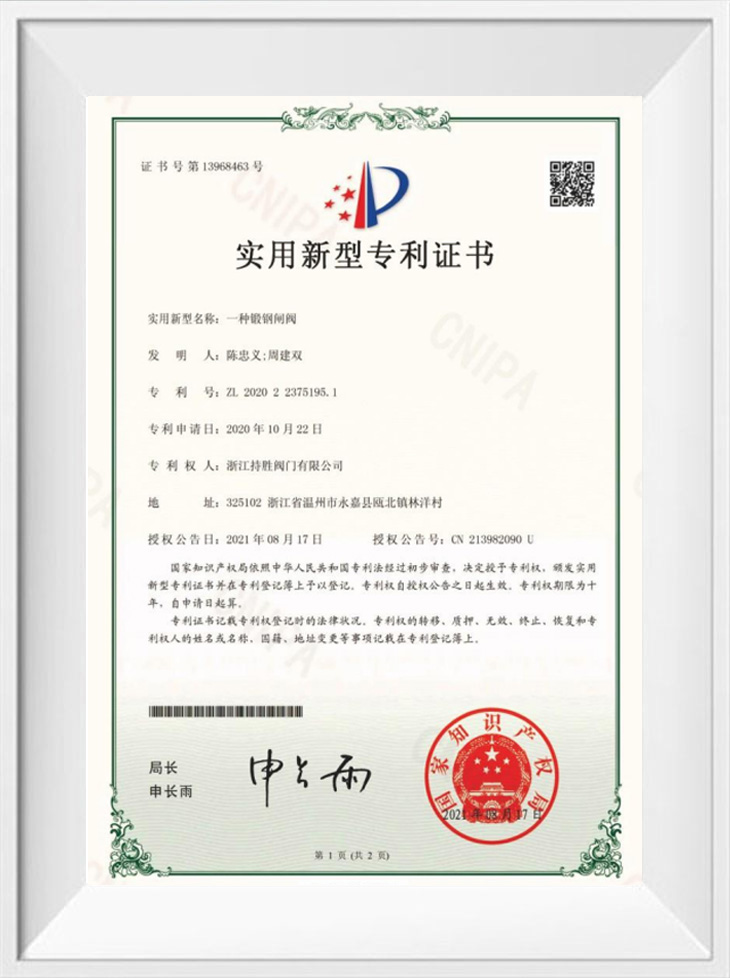
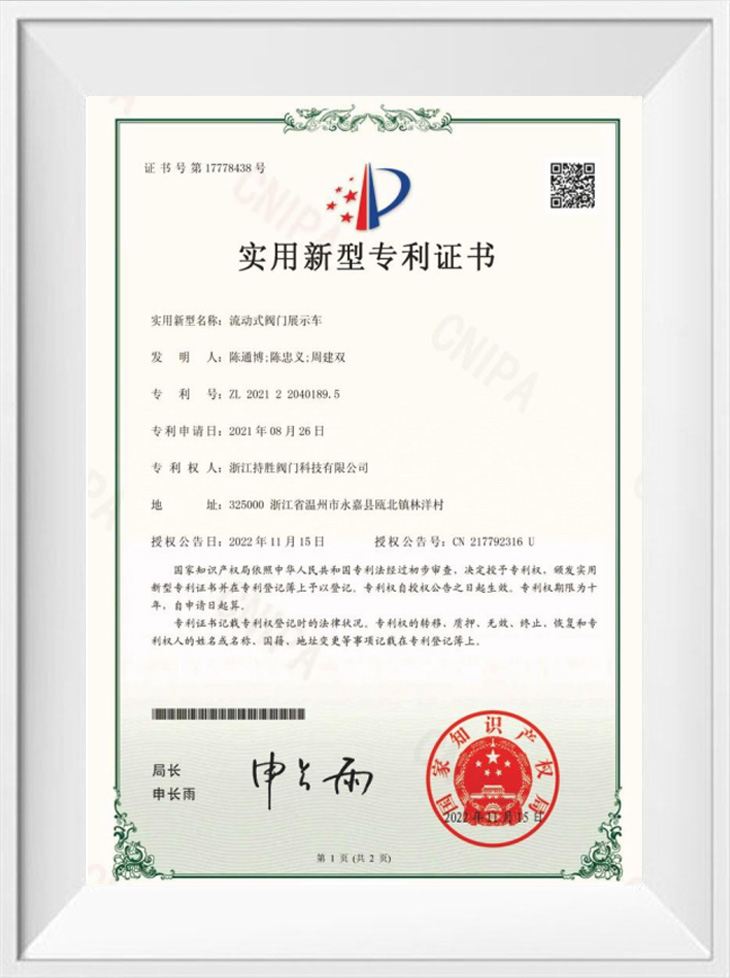
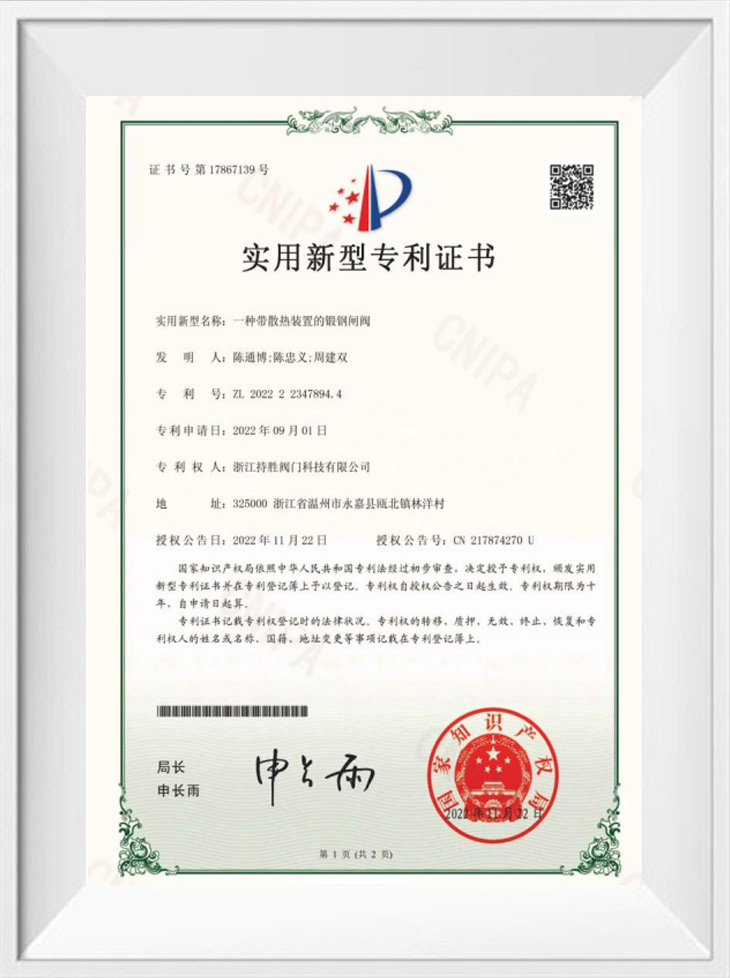
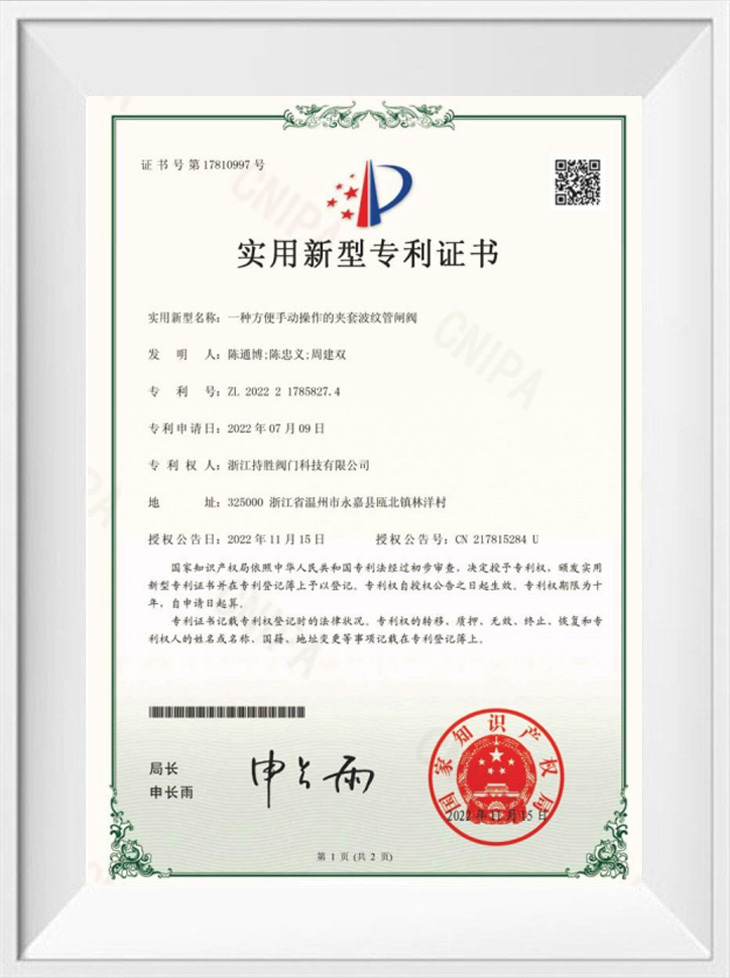
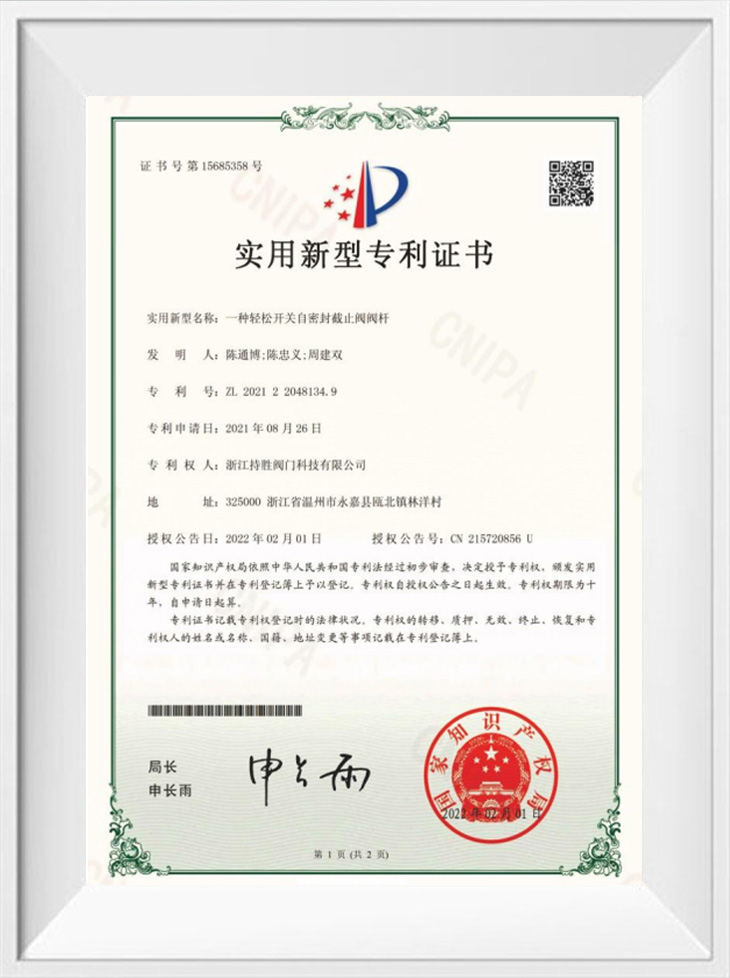
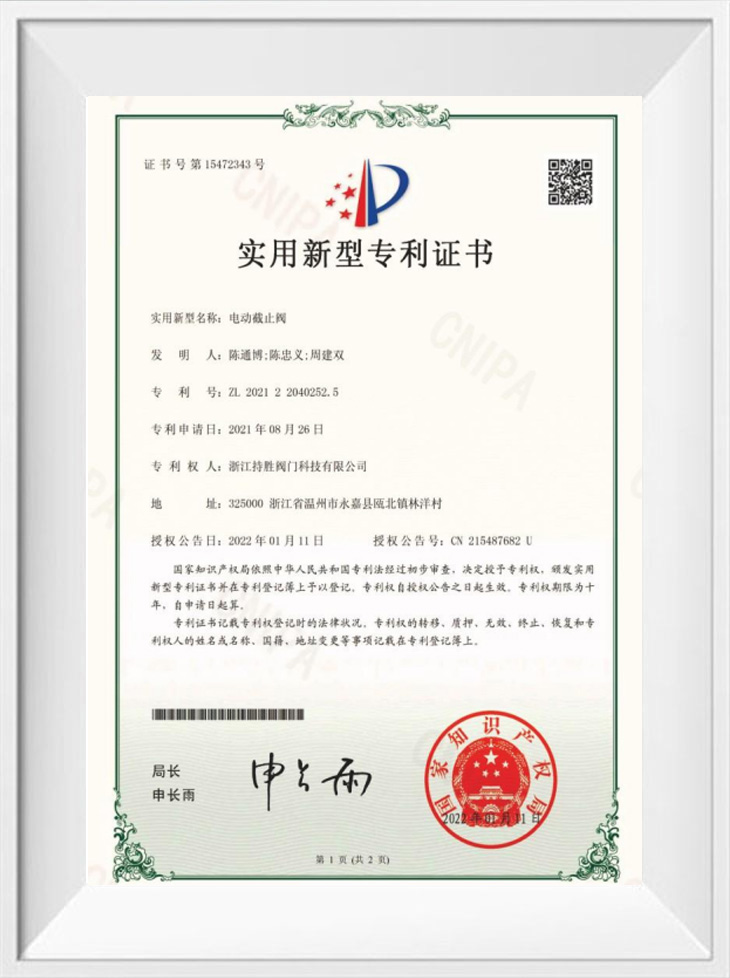
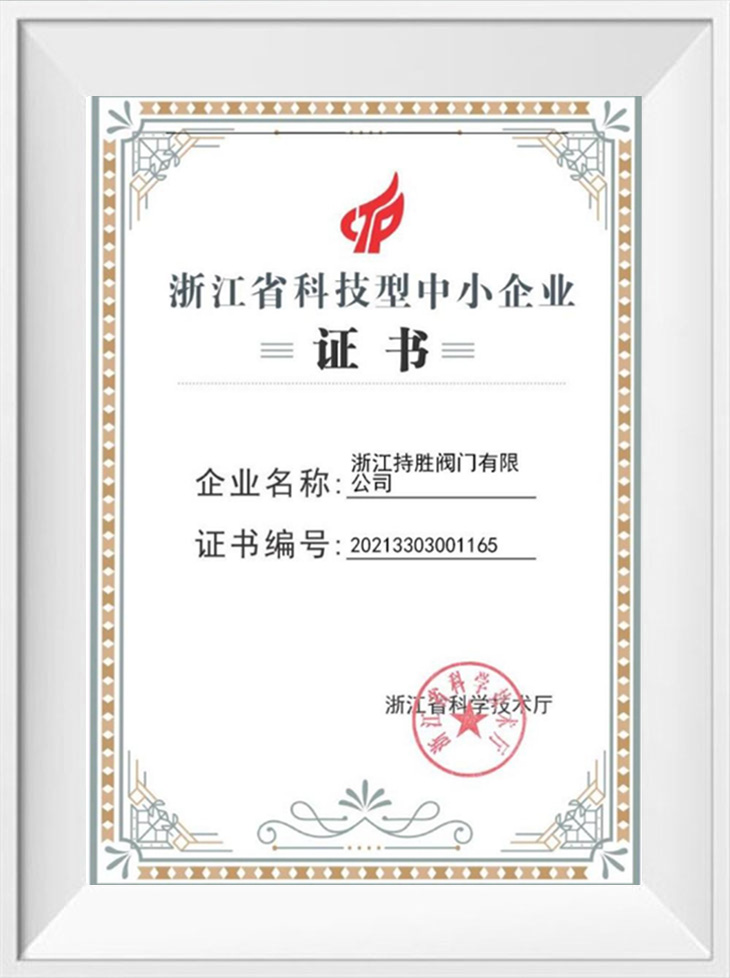
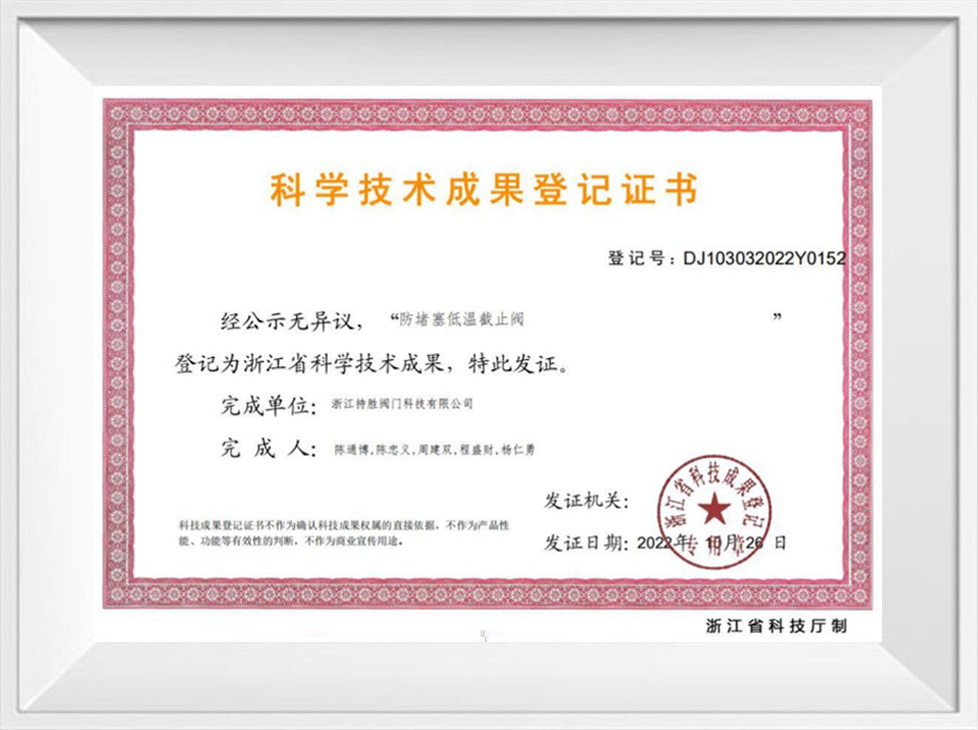
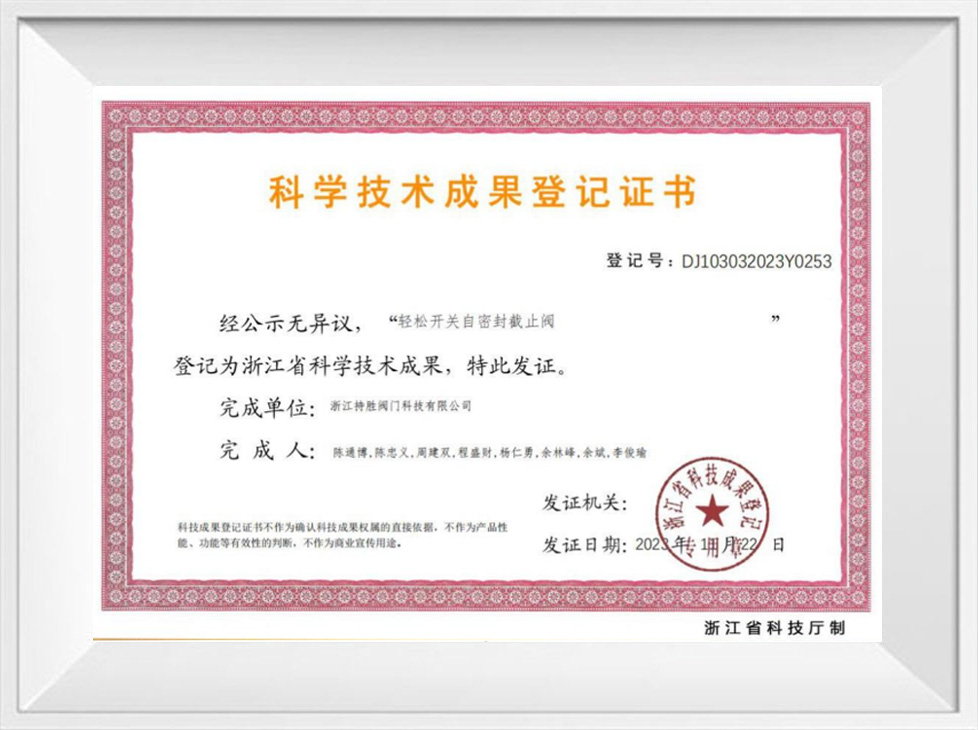
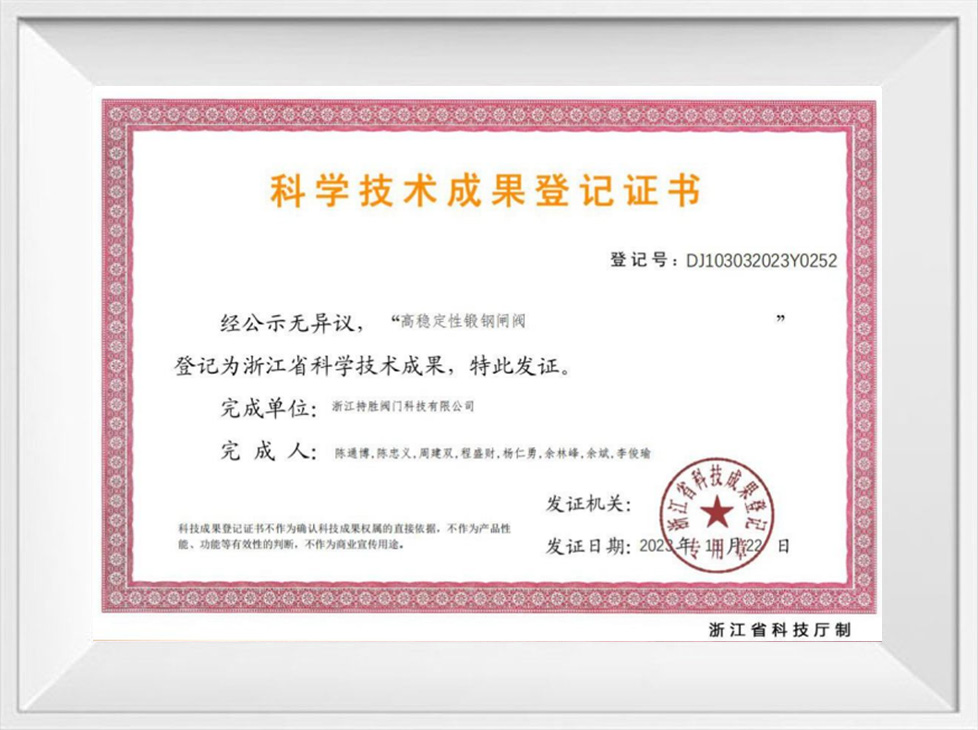
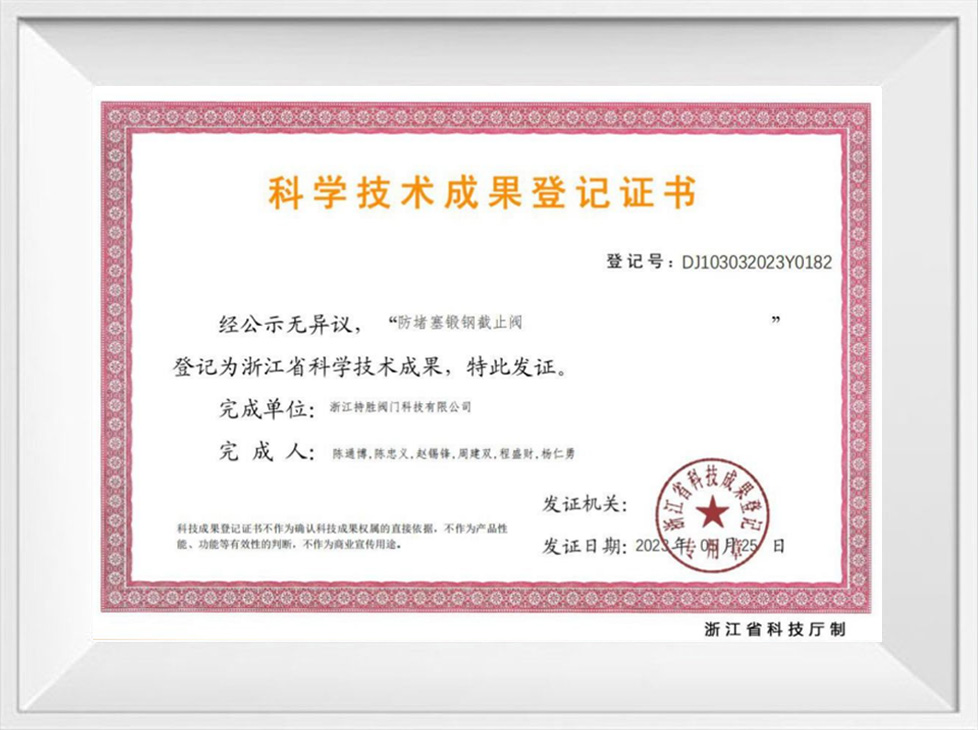
Zhejiang Chisheng Valve Technology Co., Ltd. * Zhejiang Chisheng Valve Technology Co., Ltd. * Zhejiang Chisheng Valve Technology Co., Ltd. * Zhejiang Chisheng Valve Technology Co., Ltd.
 Industry News
  Sep 11, 2026 Industry News Sep 04, 2026 Industry News Aug 28, 2026 Industry News Aug 21, 2026 Industry News Aug 14, 2026 Industry News Aug 07, 2026 Industry News Jun 15, 2026 Industry News Jun 10, 2026 Industry News Jun 08, 2026
 Y-strainers are everywhere in the industrial pipe. They look simple, a Y-shaped body with a screen inside, but they do an important job, keeping debris out of pumps, valves and metres. This guide answers five common questions that are asked when people actually have to specify, maintain, or change these units.
Stainless isn’t the cheapest option up front, but it solves two problems that other materials can’t.
It thrives in hostile environments:
The screen itself benefits too:
One practical note: if your process fluid is neutral—clean water, dry air, or certain hydrocarbons—carbon steel might still be fine. But if there's any doubt about corrosivity, stainless removes the risk of a future failure.
You absolutely can, and it's one of those upgrades that pays for itself faster than most people expect.
Here's how the retrofit works:
Why it's worth doing:
A couple of things to watch:
Yes, and they do it all the time. The Y-shape is inherently strong because it's essentially a compact pressure vessel.
What they're rated for:
Where things get tricky:
The golden rule: never guess on pressure-temperature ratings. Check the manufacturer's data sheet against your actual operating conditions. If they don't match, don't install it.
There's no single answer, because it depends on what you're trying to protect.
Location-based guidelines:
Typical benchmarks:
The catch with fine mesh:
The names tell you what they look like, but the real differences are about space, debris load, and how often you want to clean them.
| Feature | Y-Strainer | T-Strainer (Basket) |
| Shape | Screen sits at a 45° angle inside the Y leg | Basket hangs perpendicular to the flow path |
| Space needed | Compact — fits tight spots | Requires more room, especially for basket removal |
| Mounting | Horizontal or vertical installation (leg must point downward) | Usually installed vertically, with the cover on top |
| Dirt holding capacity | Limited — the leg is relatively small | Much larger basket holds substantially more debris |
| Cleaning access | Unbolt the cap on the bottom leg | Unbolt the top cover and lift the basket straight out |
| Best for | High-pressure gas, steam, and low-solids liquids | Liquid services with higher solids content and larger pipe sizes |
A simple way to decide:

We are a professional manufacturer of industrial valves,
specializing in gate valves, globe valves, check valves, ball valves,
and custom-engineered valve solutions.
+86-13057728556
+86-13857082222
csvalvetech@gmail.com
1st Floor, Building J, Zhuao Canaan Secondary Industrial Park, Yongjia County, Wenzhou City, Zhejiang, China
Let's Work Together

 English
 中文简体
中文简体
 русский
 Español