Zhejiang Chisheng Valve Technology Co., Ltd. * Zhejiang Chisheng Valve Technology Co., Ltd. * Zhejiang Chisheng Valve Technology Co., Ltd. * Zhejiang Chisheng Valve Technology Co., Ltd.
Pipeline design involves more than matching a valve's nominal size to the pipe diameter. Pressure fluctuations, operating temperature, fluid composition, connection dimensions, and project-specific inspection requirements all influence whether a valve is suitable for service. At Chisheng, we approach valve selection by reviewing these conditions together rather than evaluating a single specification in isolation.
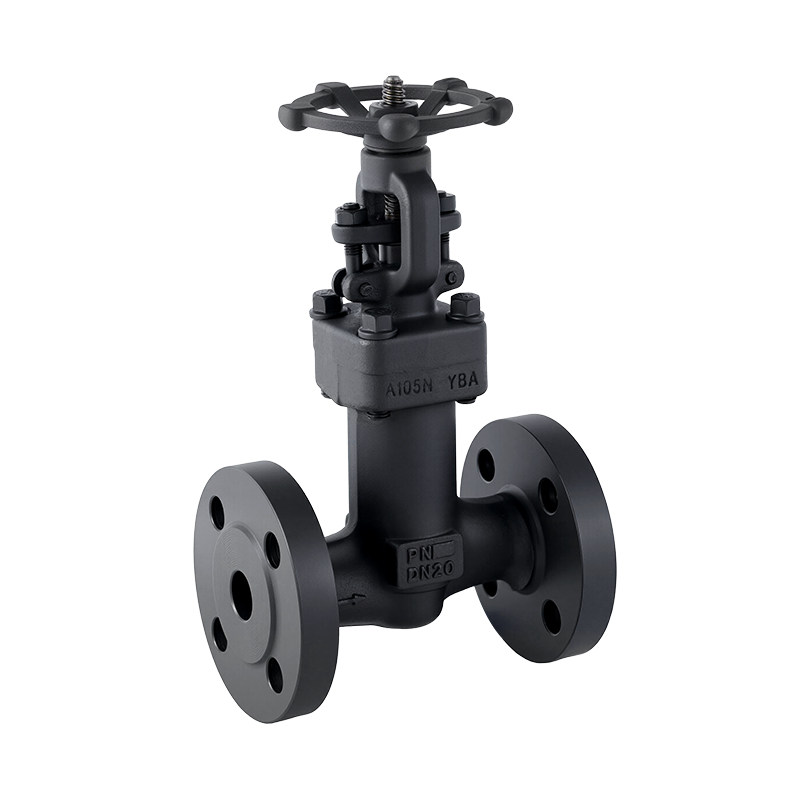
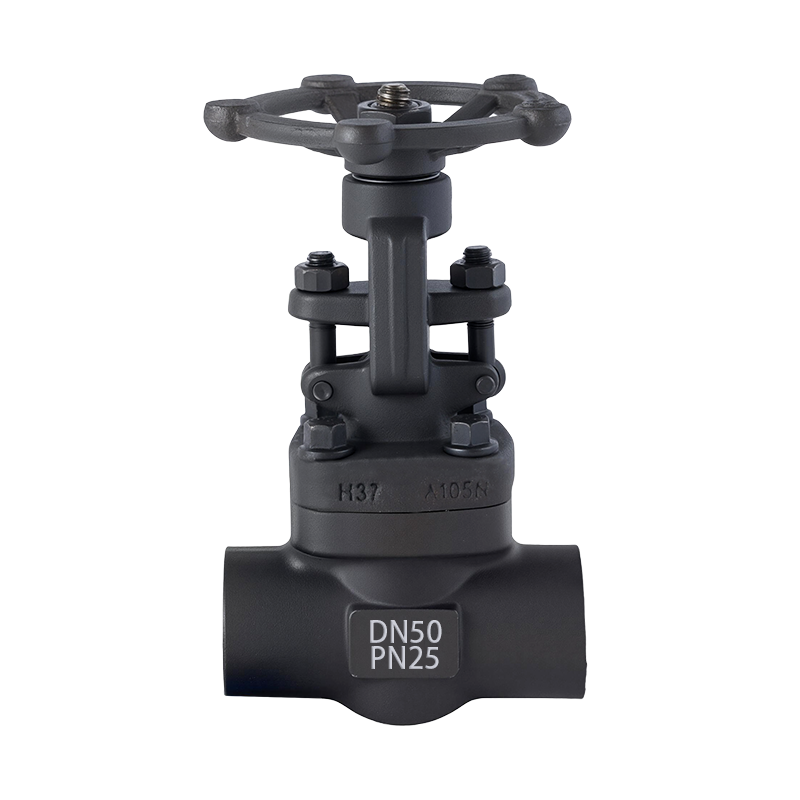
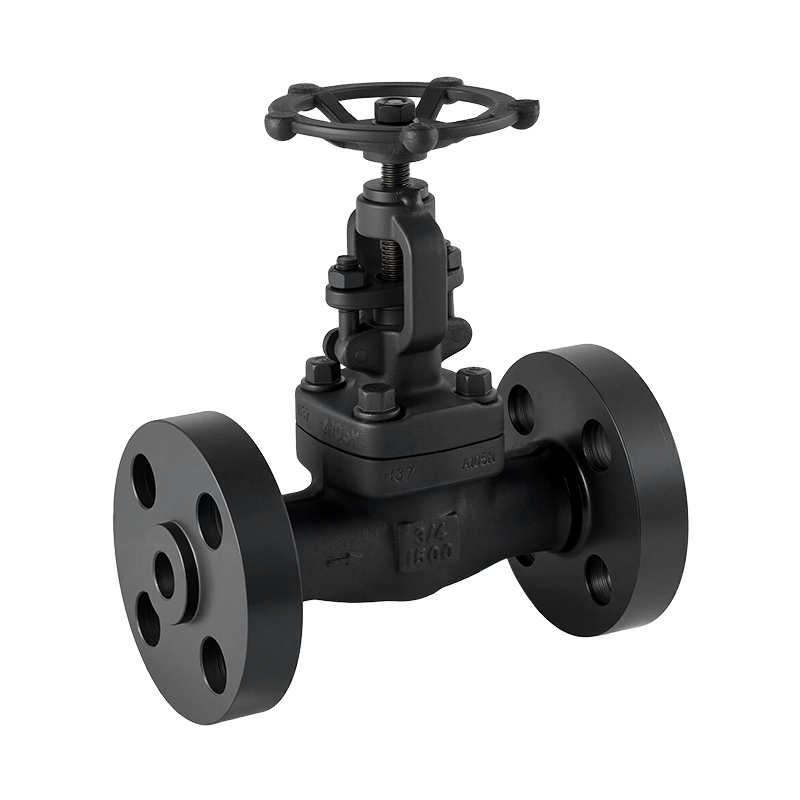
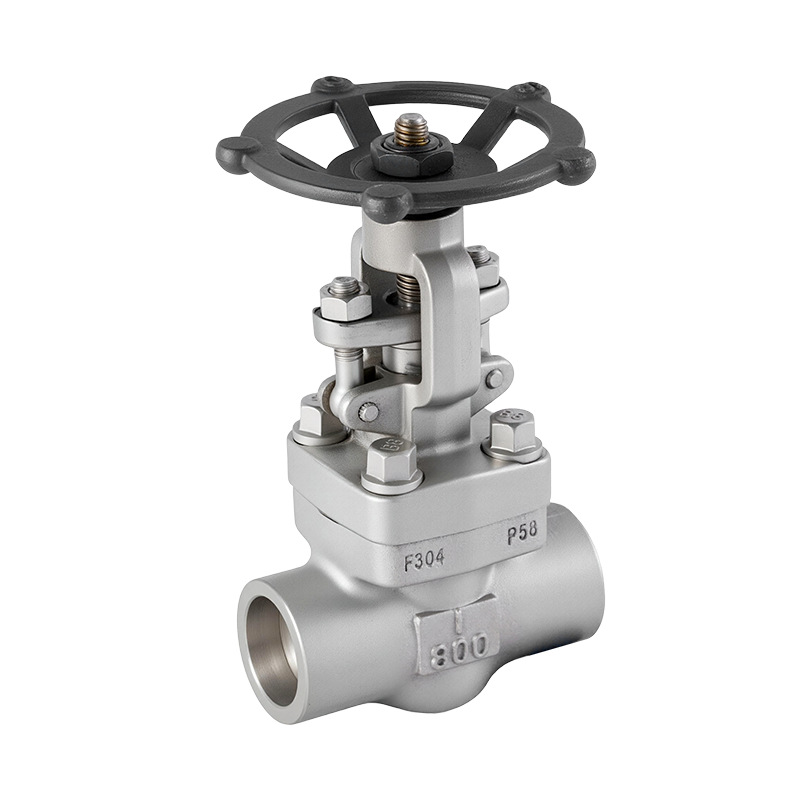
A Self-Sealing Gate Valve uses a pressure-assisted bonnet sealing arrangement in which internal fluid pressure helps increase the sealing force between the body and bonnet. This structure can be appropriate for certain high-pressure applications, including power generation, petrochemical processing, and industrial pipeline systems. However, its suitability depends on the complete design specification, not simply the presence of a self-sealing structure.
Our engineering approach at Chisheng focuses on several practical questions: Does the rated pressure cover the expected operating conditions? Are the body and trim materials compatible with the process medium? Can the end connections fit the existing piping layout? Do the inspection records meet the project's acceptance criteria? Answering these questions early helps buyers evaluate technical compatibility before confirming an order.
Pressure and temperature establish the basic requirements for valve selection. A valve that meets the nominal pressure class may still be unsuitable if its allowable pressure decreases at the specified operating temperature or if the process involves frequent pressure changes.
At Chisheng, we recommend preparing a service-condition summary before requesting a quotation. The engineering team can then review the proposed configuration against the project's piping specification.
Pressure class alone does not provide a universal working-pressure value across all temperatures. The applicable pressure-temperature rating must be checked against the specified material and governing design standard. Our quotation review should therefore use the project's actual operating envelope instead of treating a class designation as a complete engineering decision.
A pressure-assisted bonnet seal differs from a conventional bolted-bonnet arrangement. In a self-sealing design, internal pressure acts on the sealing components and helps increase the force between the bonnet and valve body. This principle can support sealing performance in high-pressure service.
The arrangement still requires appropriate design, material compatibility, dimensional control, and verification. Higher internal pressure does not remove the need to inspect sealing components or follow the manufacturer's operating limits.
At Chisheng, we recommend distinguishing between bonnet sealing and gate-seat sealing during technical discussions. The bonnet seal prevents leakage through the body-to-bonnet joint, while the gate and seats control flow through the valve. A satisfactory result in one area does not automatically establish performance in the other.
Material selection affects pressure-boundary integrity, corrosion resistance, temperature capability, and service life. Carbon steel, stainless steel, and alloy steel may be considered for different applications, but the appropriate grade depends on the operating environment and governing specification.
Our material review should cover the following points:
Special service conditions deserve explicit attention. Pipelines carrying sour fluids, for example, may require compliance with NACE MR0175/ISO 15156 where applicable. Low-temperature service can introduce additional toughness and material qualification requirements. These conditions should be stated in the inquiry rather than left to assumptions during quotation.
Even a valve with suitable pressure and material specifications can create installation problems if its end connections or dimensions do not match the piping system. Chisheng recommends checking the connection details against approved piping drawings and the project's line class.
Applicable standards may include ASME B16.34 for valve design and pressure-temperature ratings, along with the dimensional standards specified for the valve's end connections. API 600, API 602, or API 6D may be relevant depending on the valve construction and intended service. The exact standard and edition should be confirmed against the project documentation rather than assumed from the product name alone.
Published product ranges can help engineers prepare an initial shortlist, but catalogue values are not a substitute for an approved project datasheet. Pressure classes, sizes, temperature limits, materials, and connection options vary by design and manufacturer.
The following table illustrates the information buyers should review. The figures in the example column are indicative specification references, not a declaration of Chisheng's confirmed product range or an approved operating envelope.
| Parameter | Example or reference | What Chisheng should confirm |
| Nominal size | NPS 2 or DN 50 | Required size, bore, and connection dimensions |
| Pressure class | ASME Class 600 | Allowable pressure at the design temperature |
| Body material | ASTM A216 WCB, where applicable to the specified construction | Material grade, service suitability, and documentation |
| End connection | RF flange or butt-weld end | Applicable dimensional standard and approved piping interface |
| Bonnet arrangement | Pressure-assisted self-sealing design | Specified construction and pressure-boundary requirements |
| Inspection | API 598, where specified and applicable | Required shell, closure, and any additional tests |
| Operation | Handwheel or gearbox | Operating torque, access, and project operating requirements |
For example, a buyer specifying an NPS 2 valve in Class 600 should also provide the design temperature, process medium, material requirements, end connection, and applicable inspection criteria. Without these details, a quotation may describe a nominally similar valve that does not satisfy the project's complete requirements.
Inspection requirements should be agreed upon during the inquiry and technical clarification stage. A pressure class or design-standard reference does not automatically establish every test, certificate, or inspection activity required by a particular project.
At Chisheng, we recommend documenting the following items in the purchase specification:
API 598 provides inspection and pressure-testing requirements for applicable valve types. Additional project specifications may impose supplementary requirements. We therefore recommend confirming the test scope and acceptance criteria in writing rather than assuming that a general reference to a standard covers every requested inspection.
A complete request for quotation helps Chisheng assess the intended service and identify specification gaps before a configuration is finalized. A short product name is rarely enough to establish all engineering requirements.
Use this checklist when preparing the inquiry:
Our team can use these details to review the requested configuration, clarify incomplete requirements, and prepare a quotation based on the agreed technical scope. Any unresolved differences between the project specification and the proposed valve should be documented before order confirmation.
No. A pressure-assisted bonnet arrangement may suit certain high-pressure services, but suitability depends on the design rating, materials, temperature, process medium, connection details, and applicable standards. The complete operating envelope must be reviewed before approval.
No valve design should be assumed to provide zero leakage under every operating condition. Buyers should specify the required bonnet and seat leakage criteria, applicable test procedures, and acceptance limits. Test results should be evaluated against the agreed requirements.
The relevant standards depend on valve construction and service. API 600 may apply to certain steel gate valves, API 602 to applicable compact forged steel valves, and API 6D to specified pipeline valves. ASME B16.34 and API 598 may also be relevant to design ratings and testing. The project engineer should confirm the appropriate combination.
Provide the required size, pressure class, design temperature, operating conditions, process medium, materials, end connections, operating method, and inspection requirements. An approved datasheet or piping specification is helpful for resolving technical details.
A suitable valve configuration begins with a clear understanding of the pipeline rather than a single catalogue parameter. Pressure-assisted bonnet sealing can be useful in specified high-pressure applications, but the final decision also depends on material compatibility, gate-seat performance, installation dimensions, operating requirements, and documented inspection criteria.
At Chisheng, we encourage project owners, engineering contractors, and industrial procurement teams to share their operating conditions and technical requirements before confirming a valve order. This gives us a practical basis for reviewing the proposed configuration, clarifying specification gaps, and aligning the quotation with the intended application. A well-defined technical scope helps every party evaluate the valve against the actual pipeline design criteria.

We are a professional manufacturer of industrial valves,
specializing in gate valves, globe valves, check valves, ball valves,
and custom-engineered valve solutions.
+86-13057728556
+86-13857082222
csvalvetech@gmail.com
1st Floor, Building J, Zhuao Canaan Secondary Industrial Park, Yongjia County, Wenzhou City, Zhejiang, China
Let's Work Together

 English
 中文简体
中文简体
 русский
 Español