Zhejiang Chisheng Valve Technology Co., Ltd. * Zhejiang Chisheng Valve Technology Co., Ltd. * Zhejiang Chisheng Valve Technology Co., Ltd. * Zhejiang Chisheng Valve Technology Co., Ltd.
Sewage carries a mixture of water, fibers, wipes, grit, sludge, and other suspended solids. Such media creates a very different challenge from clean-water service. A check valve for sewage needs to stop reverse flow without creating internal locations where debris can collect. Valve geometry, flow passage, moving components, and seat construction can therefore have a direct effect on blockage risk.
Raw sewage can contain stringy materials that wrap around internal components, while grit and sediment may settle in areas with weak flow velocity. Small gaps around hinges, springs, shafts, or narrow passages can become collection points.
Engineering guidance for wastewater applications places particular emphasis on the relationship between suspended solids and internal valve geometry. Higher solids concentration generally increases the value of a full-port, smooth flow path.
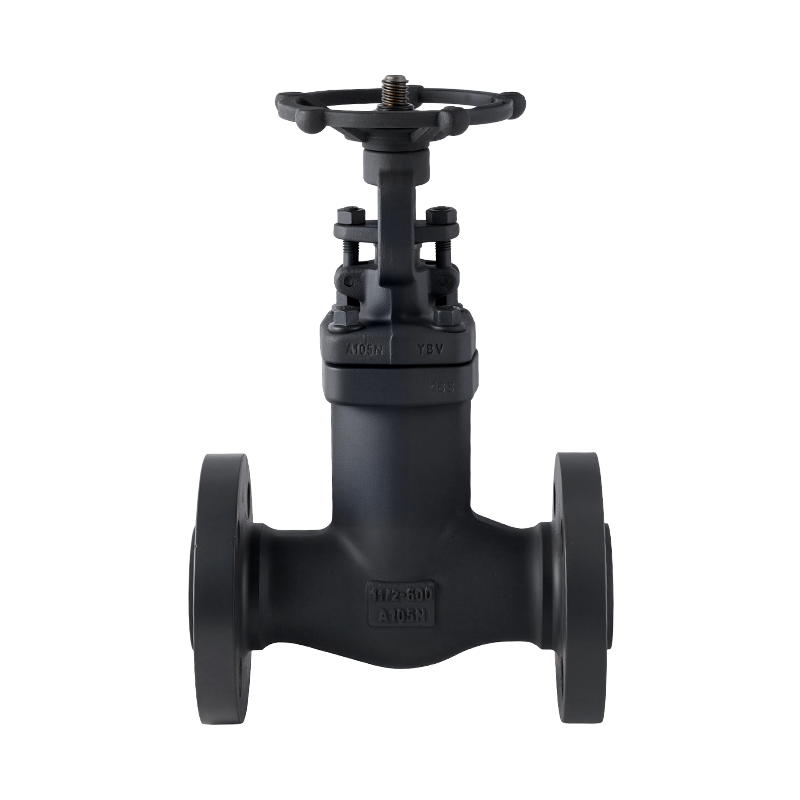
Full-port construction gives solids a larger passage through the valve. Such a configuration reduces abrupt restrictions and provides fewer locations where rags or fibers can become trapped.
Flow passage can matter as much as the check mechanism itself. A valve may have a reliable closing element, yet still experience blockage around hinges, springs, or narrow internal cavities.
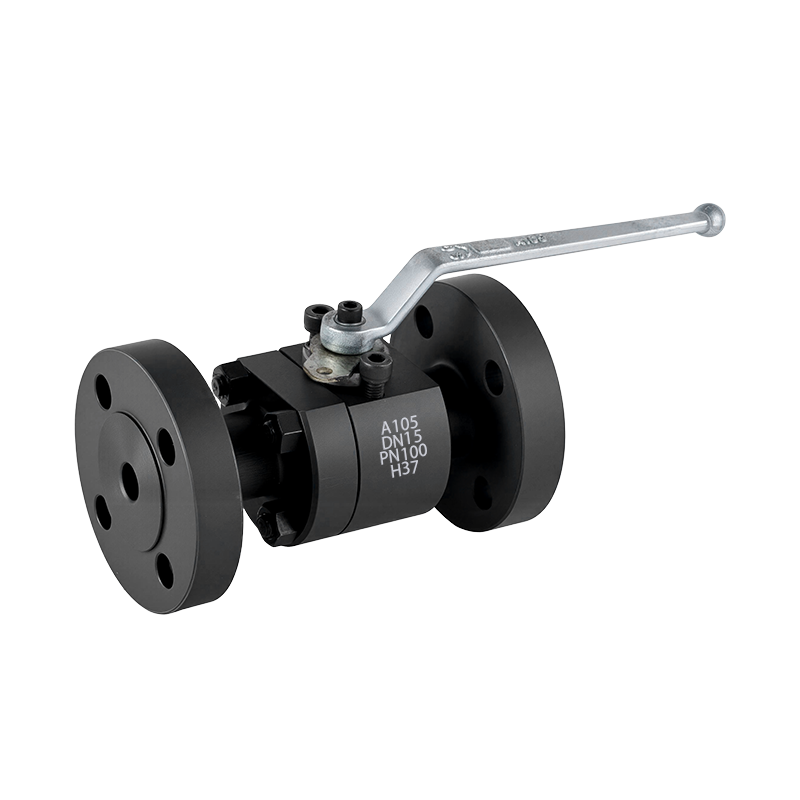
Ball check valves are frequently used in sewage and wastewater duties because the ball can move away from the main flow path during forward flow. Such designs can avoid the exposed hinge mechanism found in conventional swing configurations.
During forward flow, the ball moves away from the seat. Reverse flow pushes the ball back toward the seat, closing the passage. This simple movement pattern can provide a relatively unobstructed internal route for solids.
Technical wastewater guidance identifies ball check valves as suitable for applications containing solids, sludge, and dirty wastewater, particularly across smaller and medium line sizes.
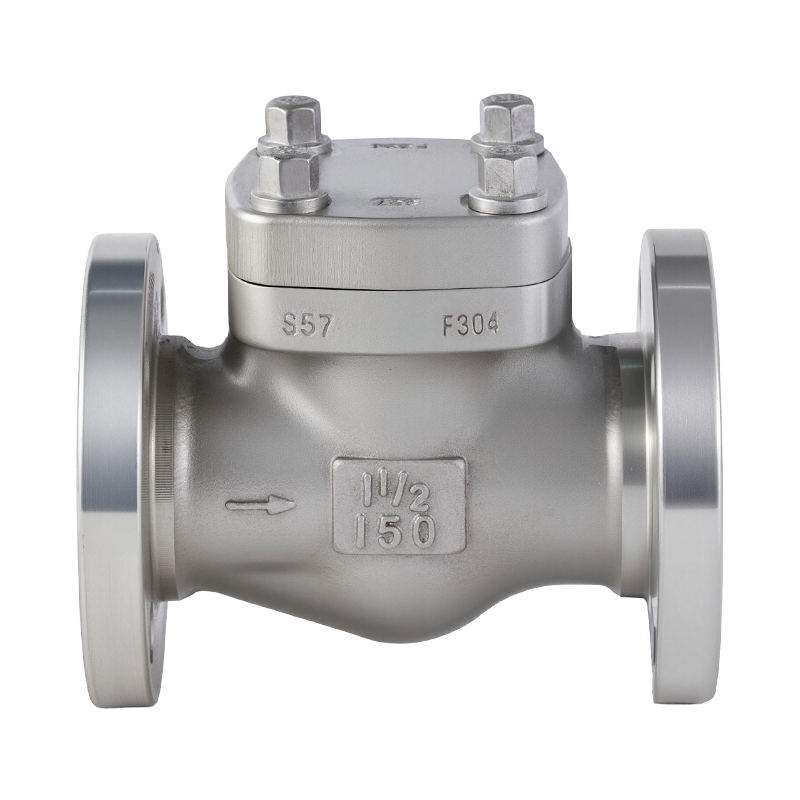
Swing check valves remain common across water and wastewater systems, but their suitability depends heavily on internal configuration and the type of sewage being transported. Hinged discs can create a potential snag point for stringy materials, particularly in raw sewage containing wipes and fibers.
Large-clearance swing designs with unobstructed waterways can still perform well in certain wastewater applications. The key issue is not simply whether the valve uses a swing disc, but whether its internal structure allows solids to pass without becoming trapped.
Compact dual-plate check valves can be attractive where installation space is limited, but their internal springs, plates, and center hinge create additional components inside the flow path. Such geometry can become problematic in heavily contaminated sewage.
Wastewater engineering references commonly recommend caution with dual-disc, nozzle, and silent check configurations where high concentrations of solids or stringy debris are expected.
Valve size influences the behavior of the moving element and the amount of debris that can pass through the body. Ball check valves can be practical across smaller lines, while larger wastewater pipelines may use full-port flapper or swing configurations designed specifically around solids passage.
Some wastewater check valve specifications use full-flow passages matching the nominal pipe size, while other designs rely on different internal geometries.
A check valve for sewage should be judged by more than its ability to prevent backflow. Internal geometry plays a major role in determining whether wipes, fibers, grit, and sludge can move through the valve without creating blockages.
Ball check valves and full-port wastewater designs can offer useful anti-clogging characteristics, while swing valves may also perform well with suitable clear waterways and application conditions. Compact spring-loaded designs require greater caution in raw sewage containing substantial solids. Matching the valve structure with the actual sewage composition, pipe size, flow velocity, and solids content provides a stronger basis for reliable backflow control.

We are a professional manufacturer of industrial valves,
specializing in gate valves, globe valves, check valves, ball valves,
and custom-engineered valve solutions.
+86-13057728556
+86-13857082222
csvalvetech@gmail.com
1st Floor, Building J, Zhuao Canaan Secondary Industrial Park, Yongjia County, Wenzhou City, Zhejiang, China
Let's Work Together

 English
 中文简体
中文简体
 русский
 Español