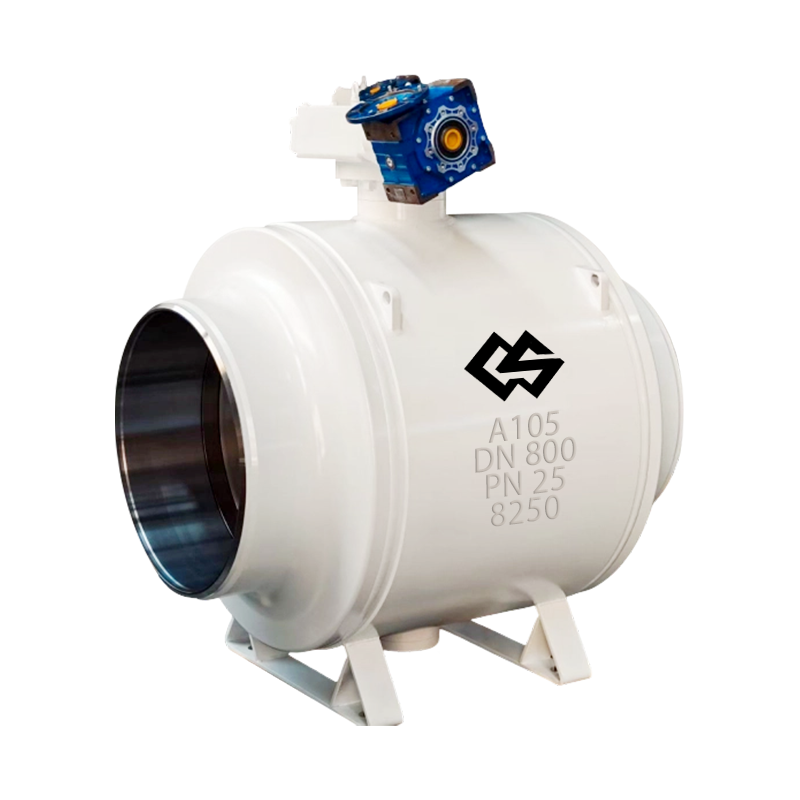
Zhejiang Chisheng Valve Technology Co., Ltd. * Zhejiang Chisheng Valve Technology Co., Ltd. * Zhejiang Chisheng Valve Technology Co., Ltd. * Zhejiang Chisheng Valve Technology Co., Ltd.
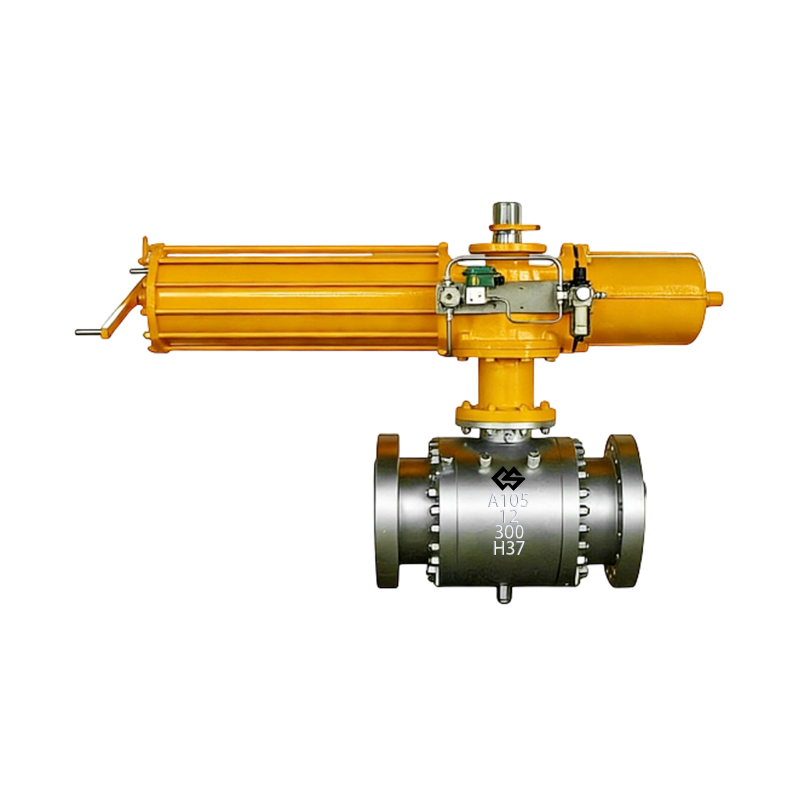
High loads can change the way a ball valve behaves when it opens, closes or isolates pressure. Stainless steel trunnion ball valve designs use fixed lower supports to control ball movement under pressure. This structure is especially important in pipelines and high‑pressure systems, where fluid force can place large loads on the ball, seats, stem and actuator.
Than allowing the ball to move freely toward the downstream seat a trunnion‑mounted ball valve keeps the ball mechanically supported. Pressure loads can therefore be managed through the trunnion structure while spring‑loaded seats keep contact with the ball.
Pressure does not affect every component in the same way. Load distribution depends on ball valve size, pressure class, bore configuration, seat design and internal geometry.
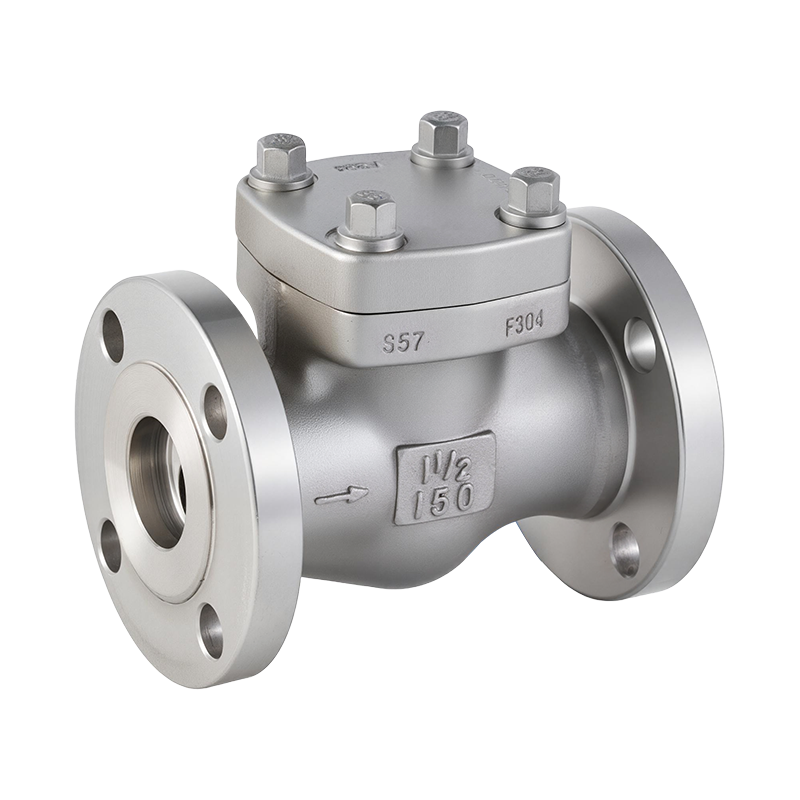
Floating ball valves rely heavily on line pressure to push the ball toward the seat. High pressure can therefore increase seat loading and operating torque. Trunnion construction changes this load path by supporting the ball from the top and bottom.
Lower ball movement means control of contact between the ball and seats. This arrangement can reduce the torque needed to rotate the ball, which's especially useful for ball valves connected to pneumatic, electric or hydraulic actuators.
Material choice remains important with a mechanically supported ball valve. Stainless steel grades such as 316 are commonly used for bodies, balls or stems where corrosion resistance is required. Technical product data also lists ASTM A182 F316 for body, ball and shaft components in high‑pressure stainless steel trunnion ball valve designs.
Material selection should match pressure, temperature and media conditions than being based solely on corrosion resistance. Seat material also affects operating limits. PTFE, RPTFE, PEEK and metal‑seat configurations can serve combinations of pressure, temperature and media requirements for the ball valve.
Torque is an indicator of how the ball valve responds under load. Larger diameter and higher differential pressure generally increase the forces that the actuator must overcome. Trunnion support helps manage ball thrust allowing the actuator to focus directly on rotating the ball instead of overcoming excessive ball displacement.
Some compact stainless steel trunnion designs are rated up to 10,000 psig (689 bar) showing how fixed‑ball architecture can be used in demanding pressure ranges. Temperature capability varies with seat material and ball valve construction.
High‑load service makes internal component coordination especially important. A strong body alone cannot compensate for seats, bearings, stem components or actuator sizing in the ball valve.
Mechanical loads can also rise through cycling, large valve diameter, thermal changes, abrasive media and actuator operation. A stainless steel trunnion ball valve therefore needs to be evaluated as an assembly rather than by pressure rating alone.
Pressure class, size, seat material ball support, stem design, temperature range and actuator torque should work together for the ball valve. API 6D and ASME B16.34 are among the design standards commonly linked to industrial trunnion ball valve configurations.
high loads expose the differences between floating and trunnion‑mounted ball valves. Fixed upper and lower support keeps the ball aligned reduces movement and helps control operating torque. Stainless steel construction adds corrosion resistance while seat and bearing choices determine how the ball valve responds across pressure and temperature changes.
Understanding these load paths gives buyers a way to evaluate a stainless steel trunnion ball valve, beyond simple size and pressure ratings.

We are a professional manufacturer of industrial valves,
specializing in gate valves, globe valves, check valves, ball valves,
and custom-engineered valve solutions.
+86-13057728556
+86-13857082222
csvalvetech@gmail.com
1st Floor, Building J, Zhuao Canaan Secondary Industrial Park, Yongjia County, Wenzhou City, Zhejiang, China
Let's Work Together

 English
 中文简体
中文简体
 русский
 Español