Zhejiang Chisheng Valve Technology Co., Ltd. * Zhejiang Chisheng Valve Technology Co., Ltd. * Zhejiang Chisheng Valve Technology Co., Ltd. * Zhejiang Chisheng Valve Technology Co., Ltd.
Zhejiang Chisheng Valve Technology Co., Ltd. * Zhejiang Chisheng Valve Technology Co., Ltd. * Zhejiang Chisheng Valve Technology Co., Ltd. * Zhejiang Chisheng Valve Technology Co., Ltd.
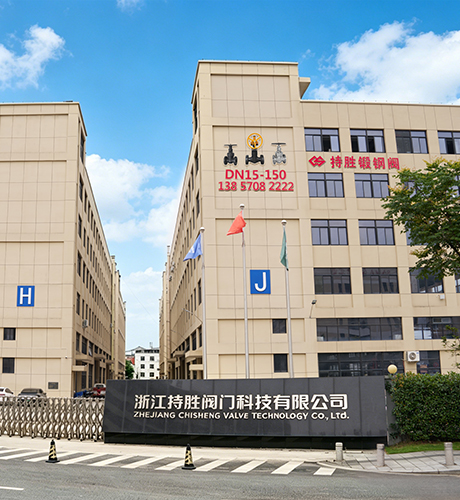

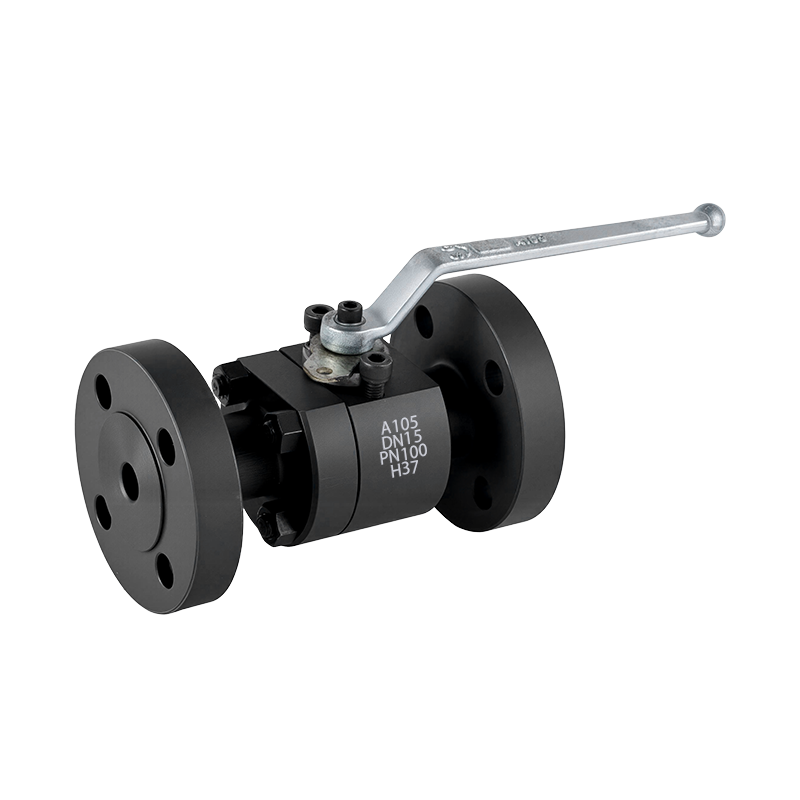
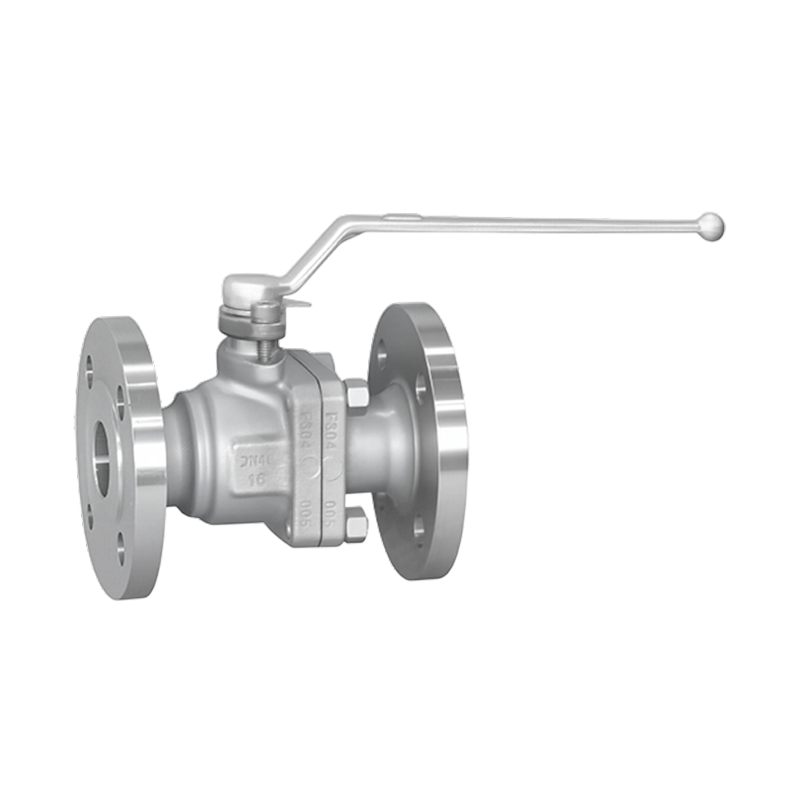
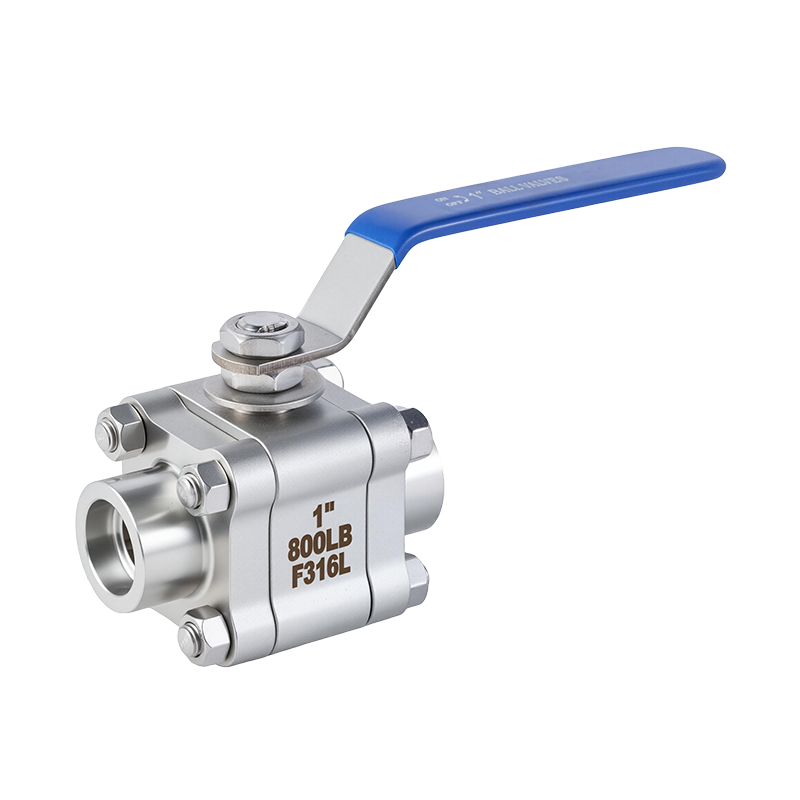
Zhejiang Chisheng Valve Technology Co., Ltd. is located in Oubei, Wenzhou, the famous "Hometown of Pumps & Valves in China". We are a professional manufacturer integrated with R&D, production and sales, specializing in forged steel ball valves, as well as various forged steel gate valves, globe valves, check valves, cryogenic valves, vent & drain valves, integral flange forged steel valves and self-sealing forged steel valves.
Zhejiang Chisheng Valve Technology Co., Ltd. * Zhejiang Chisheng Valve Technology Co., Ltd. * Zhejiang Chisheng Valve Technology Co., Ltd. * Zhejiang Chisheng Valve Technology Co., Ltd.
 Industry News
  Jun 10, 2026 Industry News Jun 08, 2026
 When you're sizing up valves for a new skid or a plant revamp, the forged-versus-cast debate always comes up. And it usually lands on three practical questions: which pressure classes can you actually get, how cold can these things really go, and—let's be honest—is the extra cost going to pay off before the next turnaround?
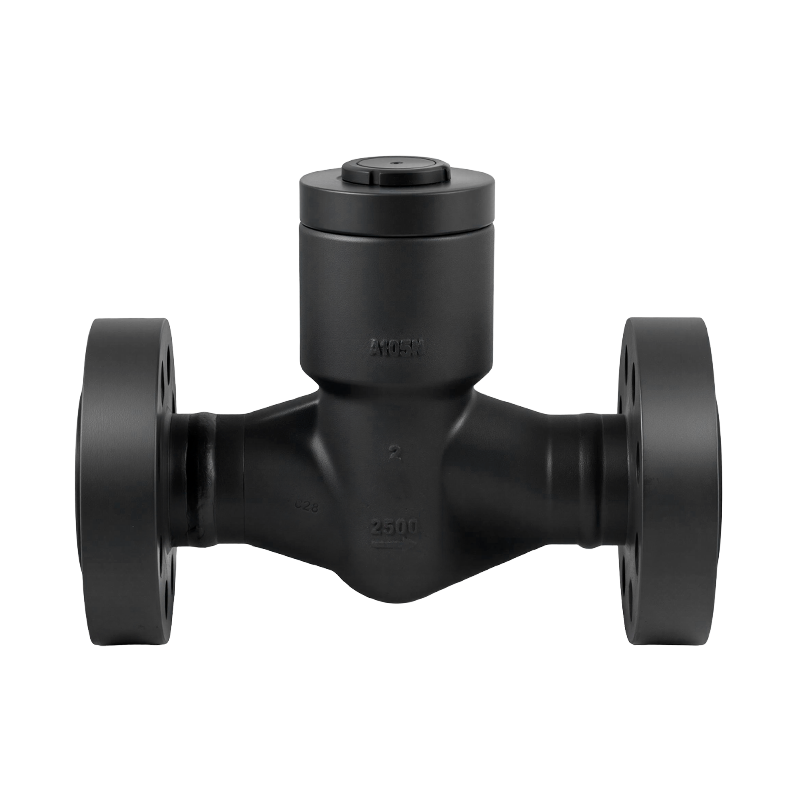
Most forged steel valves on the market today fall somewhere between Class 150 and Class 2500. That covers the vast majority of industrial needs, from basic steam tracing to high-pressure gas injection.
Here's a quick field guide:
| Pressure Class | Where You'll Typically See It |
| Class 150 | General process, cooling water, low-pressure steam |
| Class 300 | Medium-pressure hydrocarbons, chemical transfer |
| Class 600 | Refinery fractionators, high-pressure steam headers |
| Class 800 | A hybrid rating commonly used in API 602 small-bore valves |
| Class 900 | Gas processing, severe-service choke lines |
| Class 1500 | Critical petrochemical services, high-pressure separators |
| Class 2500 | Wellhead flow control, extreme-pressure hydraulic systems |
One detail that catches people off guard: the self-sealing bonnet. In pressure-seal designs, higher internal pressure actually pushes the bonnet tighter against the body. So at Class 900 and above, you're not just getting a stronger valve—you're getting one that seals better the harder it works. That's a nice piece of engineering, and it's one reason these valves dominate high-pressure services despite their higher cost.
Temperature ratings aren't a one-size-fits-all number. They shift dramatically depending on what steel you're starting with.
A standard A105 carbon steel forging will get you down to about -29°C, maybe -46°C if you're pushing it. But for real cryogenic work—LNG transfer, liquid nitrogen, that kind of thing—you need to spec low-temperature carbon steels like A350 LF2 or LF3. Those will take you down to -100°C without turning brittle.
Below that? You're looking at austenitic stainless steels—304L or 316L forgings. They'll handle -196°C, which covers liquid nitrogen and most LNG applications. Some specialized alloys push even lower, but those are rare outside aerospace or research facilities.
Here's a practical gotcha: extended bonnets. On a cryogenic valve, the stem needs to be long enough to keep the packing gland warm enough that atmospheric moisture doesn't freeze and chew up the seal. It's a small detail, but I've seen it overlooked on more than one spec sheet, and it always comes back to bite during startup.
This is where you have to stop looking at the purchase order and start looking at the whole life of the valve.
Cast steel is cheaper upfront—there's no getting around that. But casting introduces porosity, shrinkage voids, and inclusions. You can X-ray or ultrasound them, but you're still playing a probability game. Forging eliminates those internal defects by mechanically working the steel, refining the grain structure and orienting it along the stresses the part will actually see.
That translates into real-world differences:
| Factor | Cast | Forged |
| Internal soundness | Prone to voids | Dense, consistent |
| Strength (tensile/yield) | Baseline | 10–20% higher |
| Fatigue life | Lower | Significantly longer |
| Failure mode under cycling | Crack initiation at defects | Gradual, predictable wear |
So when do I recommend biting the bullet on forged?
For clean, low-pressure, stable-temperature water or air service? Buy the cast valve and don't lose sleep over it. But for heavy-duty hydrocarbon, steam, or cryogenic duty, the forged valve tends to cost less over its operating life—even if the initial invoice makes your procurement lead wince.

We are a professional manufacturer of industrial valves,
specializing in gate valves, globe valves, check valves, ball valves,
and custom-engineered valve solutions.
+86-13057728556
+86-13857082222
csvalvetech@gmail.com
1st Floor, Building J, Zhuao Canaan Secondary Industrial Park, Yongjia County, Wenzhou City, Zhejiang, China
Let's Work Together

 English
 中文简体
中文简体
 русский
 Español