Zhejiang Chisheng Valve Technology Co., Ltd. * Zhejiang Chisheng Valve Technology Co., Ltd. * Zhejiang Chisheng Valve Technology Co., Ltd. * Zhejiang Chisheng Valve Technology Co., Ltd.
Valve seat material has a direct influence on sealing performance, wear resistance, and compatibility with industrial process conditions. A valve that performs reliably in clean water service may face different challenges in abrasive slurry, high-temperature steam, or chemically aggressive media. At Chisheng, we encourage buyers to evaluate seat materials against actual operating conditions rather than relying on a material name alone.
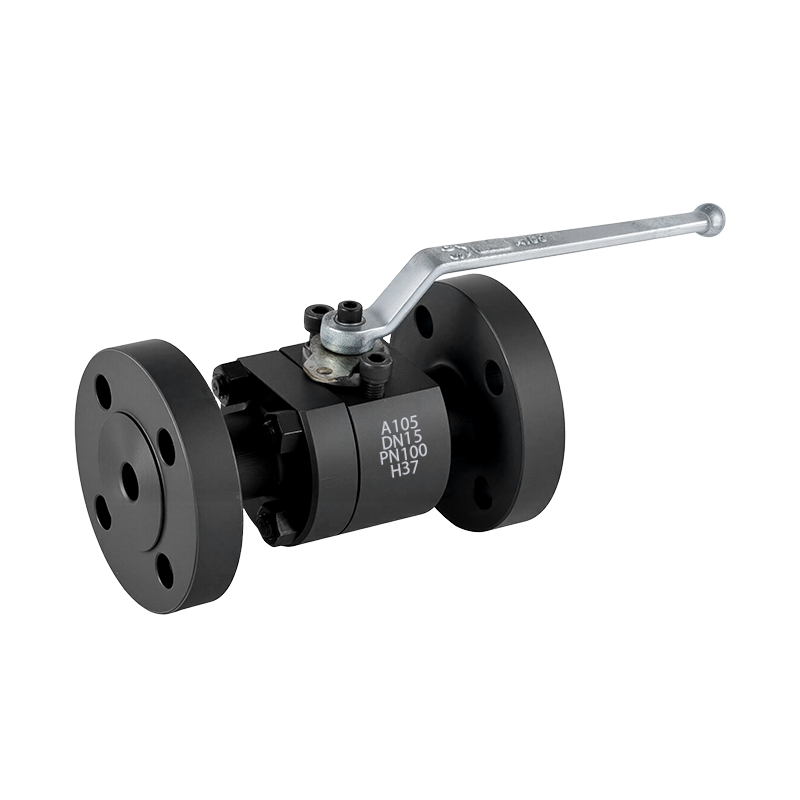
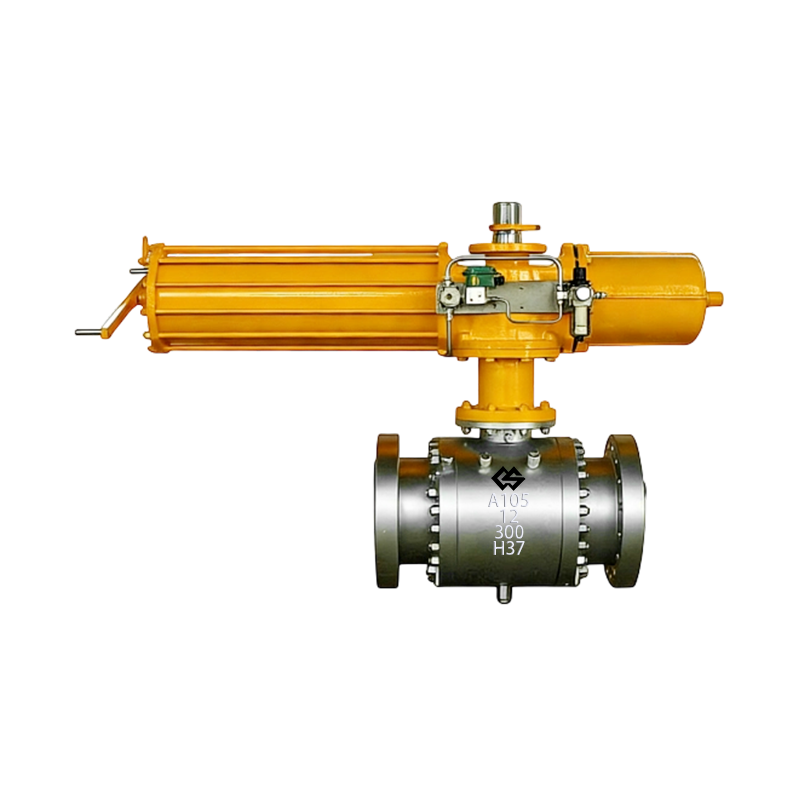
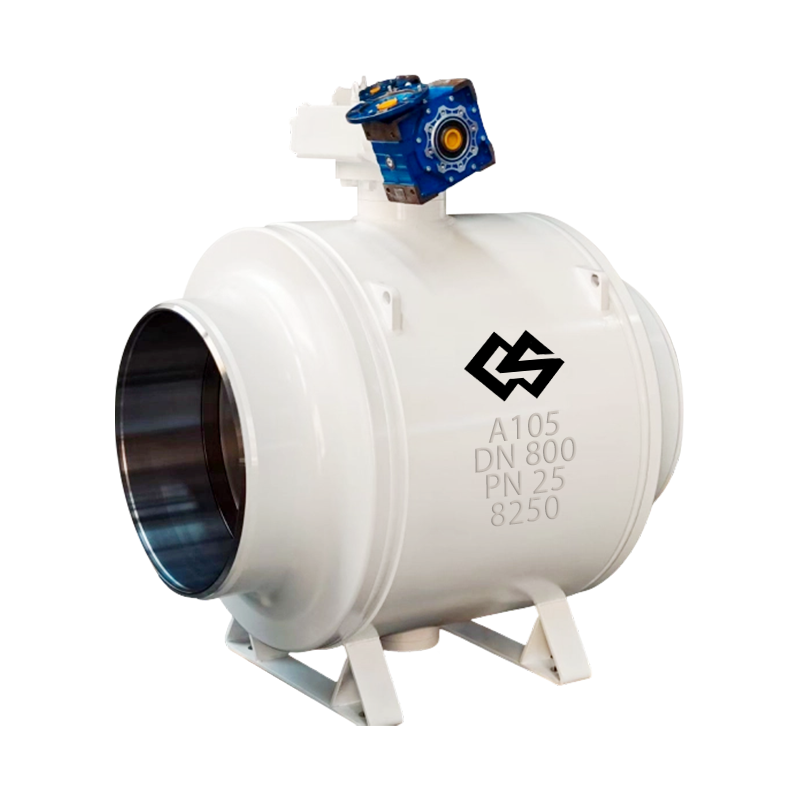
A Metal Hard Sealed Ball Valve uses metal-to-metal contact at the ball and seat sealing surfaces. This construction can be suitable for demanding applications involving elevated temperatures, abrasive particles, or service conditions that challenge polymer seats. However, the final performance depends on the selected materials, surface treatment, manufacturing tolerances, and required shutoff criteria.

The process medium determines several important material requirements. Abrasive solids can wear sealing surfaces, while corrosive chemicals may attack the base metal or protective coating. Mixed conditions require additional consideration.
At Chisheng, we recommend documenting the fluid composition, suspended solids, particle hardness, and potential chemical contaminants in the RFQ. A hard coating does not automatically protect the underlying material from every corrosive environment.
Temperature affects material strength, hardness, thermal expansion, and sealing clearances. Pressure and differential pressure influence the load applied to the ball and seat during operation.
Metal seating does not establish a universal temperature rating. The allowable operating range depends on the complete valve design, base materials, coatings, packing, gaskets, and other sealing components. We recommend reviewing the manufacturer's approved technical data before confirming suitability.
Different hardfacing materials offer different balances of hardness, toughness, corrosion resistance, and wear performance. The correct specification depends on the dominant failure mechanism in the process.
These options are not interchangeable. At Chisheng, we recommend confirming the coating method, hardness requirements, surface finish, and compatibility between the ball and seat. Precision grinding and lapping can also affect the contact pattern and shutoff performance.
Metal-to-metal sealing requires controlled surface geometry and appropriate contact between the ball and seat. Unlike a compliant polymer seat, a metal seat cannot compensate for every surface irregularity through elastic deformation.
Buyers should clarify the following requirements before ordering:
Standards such as API 598 or ISO 5208 may be relevant depending on the valve design and project specification. The applicable test procedure and acceptance level should be agreed upon explicitly rather than assuming every metal-seated valve provides bubble-tight shutoff.
A detailed RFQ helps our team at Chisheng review the proposed valve configuration against the intended process conditions. Include these details in the inquiry:
This information allows us to identify technical questions early and clarify whether the proposed seat construction aligns with the intended service.
The right seat material depends on more than hardness or temperature resistance alone. Process chemistry, particle characteristics, pressure differential, thermal cycling, and shutoff expectations all influence the final specification.
At Chisheng, we encourage procurement teams and engineering contractors to provide complete operating data before confirming a metal-seated ball valve order. Reviewing the base material, surface treatment, sealing requirements, and applicable testing criteria together creates a clearer basis for technical approval and helps align the valve configuration with the demands of the pipeline.

We are a professional manufacturer of industrial valves,
specializing in gate valves, globe valves, check valves, ball valves,
and custom-engineered valve solutions.
+86-13057728556
+86-13857082222
csvalvetech@gmail.com
1st Floor, Building J, Zhuao Canaan Secondary Industrial Park, Yongjia County, Wenzhou City, Zhejiang, China
Let's Work Together

 English
 中文简体
 русский
 Español